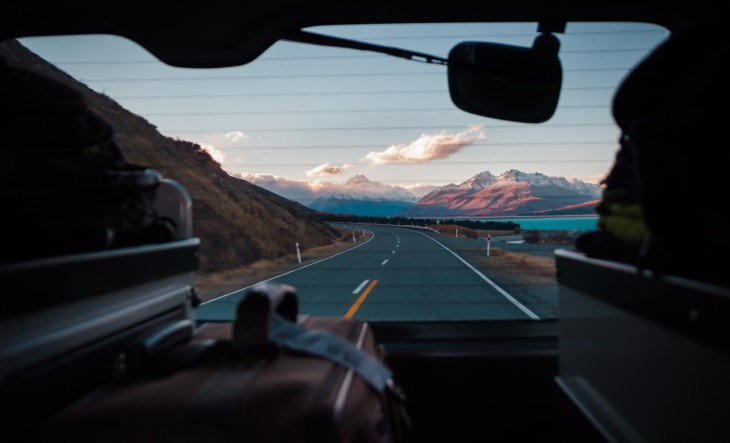
A word of warning before heading outdoors for the long weekend

For many Kiwis, Labour weekend marks the start of many adventures in the outdoors to come. ACC and NZ Mountain Safety Council (MSC) are reminding anyone heading into the outdoors this long weekend to plan ahead to reduce the risk of injury.





In 2025, ACC accepted over 9,000 claims for tramping and camping injuries. The cost to support people to recover was $9.8 million.
We are fortunate to have access to so many beautiful trails and camping sites here in New Zealand, says ACC injury prevention leader James Whitaker.
“It’s fantastic to see more and more people get out to enjoy the scenery, but we just have to stop and think about it first,” says Whitaker. “Most camping and tramping injuries can be prevented, or their seriousness reduced, by thorough trip planning and sound decision-making.”
To support good decision-making, MSC encourages trampers to learn about mental shortcuts – or heuristic traps – and how to avoid them, before heading out.
MSC’s new Mental Shortcuts in the Outdoors video series is a great place to start. The free, six-part series examines the six heuristic traps commonly seen in outdoor safety incidents.
“Mental shortcuts are the subconscious decisions we make to save us time and energy in everyday life. These don’t usually cause us any problems, but in the outdoors, defaulting to mental shortcuts can lead to poor decisions and unnecessary risks," says MSC chief executive Mike Daisley.
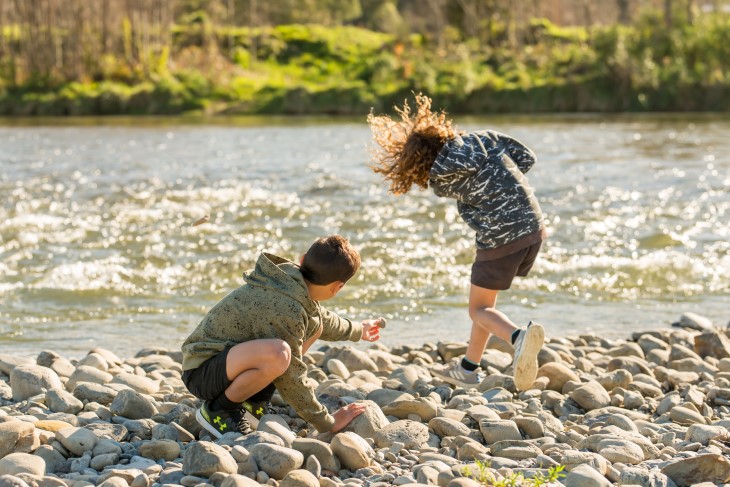
Most of the injury claims for camping and tramping last year were for soft tissue injuries to knees and ankles, often caused by slips, trips and falls.
While some of these injuries are due to the nature of being in the outdoors and walking on uneven ground, many are still preventable, Whitaker says.
“If you are going on a short walk, a day trip or an overnight tramp, sturdy footwear with good grip will help prevent slips, trips and falls,” he says. “It’s also essential to take warm clothes, a rain jacket, head torch, plenty of food and drink, and an emergency communications device.”
When on track, Whitaker says it’s important to look out for each other.
“Stick together on the track and make decisions as a group. Tell someone else where you’re going and when you expect to be back.
“It’s also important to choose a track that suits everyone’s abilities, and check the weather forecast, both in advance and on the day.”
River Safety Month
As part of River Safety Month, MSC is also urging trampers to plan ahead for river crossings.
“People often get in trouble at flooded streams and rivers through decisions made in the heat of the moment. This can happen particularly if people are unprepared to wait it out, are tired or wet, or the end destination for the day is in sight,” says Daisley.
Before heading out, identify any stream or river crossings on your route, check the weather forecast for rain in the area, and pack essential gear in case you have to change your plans or wait for water levels to drop.
It’s the first public holiday in a while and daylight savings has just begun, so naturally the country will be looking to take advantage of that, says Whitaker.
But stop and ‘Have a hmmm’ first and if in doubt, don’t go out, he says.
“It’s a simple phrase, but it could save you from an injury that ends your trip early.
“It’s crucial to be prepared and make safe decisions, so you can continue exploring the beautiful backyard we have here.
“Don’t make this trip your first and last of the season.”
MSC has a range of free resources to help people prepare effectively for tramping trips, reducing the chance of being injured. These include the Plan My Walk trip planning tool. The free app and website are designed to improve planning, preparation and decision-making. There are also many injury prevention tips and other essential information on the MSC website.
Camping and tramping injury claims
- In 2025, there were 9,228 injury claims for camping and tramping. It cost $9.8M to support people to recover from these injuries.
- 7,816 of these injuries were soft tissue, 615 were laceration/puncture/sting and 483 were fracture/dislocation.
- 2,486 were related to knee injuries, 1,886 were ankle injuries, while 770 were related to lower back/spine.
- 882 injury claims were from those aged between 25 and 29 years, 874 were from 30-34 years and 806 were from 50-54 years.