
Brendan’s story: ‘One slip, a fall and my life changed’
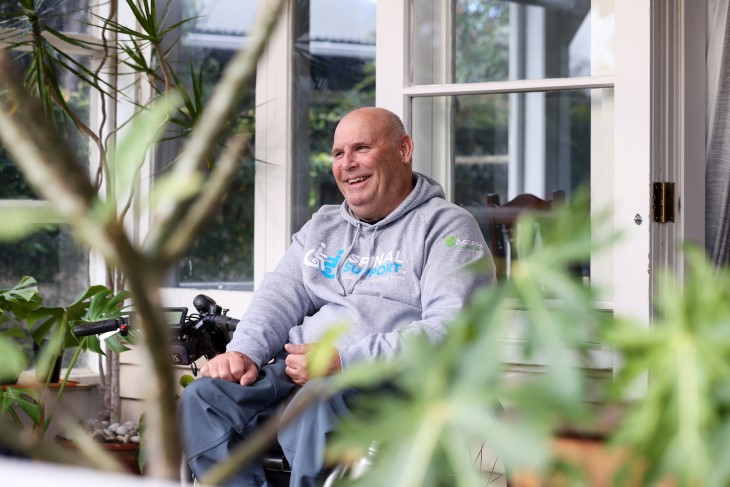
The life of Brendan Tourelle completely changed after a DIY accident. He’s sharing his story to encourage others to ‘Have a hmmm’ before tackling DIY projects this summer.





On 13 May in 1999, I fell off a ladder and broke my back. It was a clear autumn day in Mt Eden, and I was looping a rope around some scaffolding on a renovation job.
I’d done this kind of thing hundreds of times before – I’d been up and down ladders since 1983, it was part of life as a tradie. But this time, no one was holding the bottom of the ladder.
I didn’t think twice about it – and that’s the problem. The ladder slipped. I hit my head on the wall and was knocked out before I even hit the ground.
I fell 6m and landed squarely on the wing mirror of a van parked below. That van broke my back – but it also saved my life. Doctors told me if I’d landed on my head, I wouldn’t have made it.
I woke up in the ICU, confused and in pain. A nurse told me I had a serious spinal cord injury – fractures and damage in two places.
I had four kids under the age of nine at the time. I was 38, terrified and, all of a sudden, I was staring down a future I hadn’t prepared for.
It took surgery, months of rehab and years of learning how to live again. And the truth is, it all could have been avoided with one simple safety step: someone holding the ladder for me.
Fast forward to 2024, and the numbers are still staggering. ACC accepted 22,773 DIY-related injury claims last year, costing $41 million. And that’s just the financial cost. Behind every one of those claims is a person, a family and often a shattered dream.
‘DIY is part of Kiwi culture’
I get it. Whether you’re a seasoned tradie or a weekend warrior, DIY is part of Kiwi culture. We love getting stuck in, fixing things ourselves, proving we’re capable.
But what we’re not so good at is pausing – taking those few extra seconds to ask, “Is this safe?”
I didn’t do that. I knew it was risky, and I did it anyway. That moment of complacency changed everything.
We were just weeks away from moving to Samoa to start a new life. We had plans to run a fishing charter business.
We’d built the boat, and secured everything except the final license. That dream sank with my injury.
We sold the boat to buy a house in Te Atatū and began a very different life.
Finding a sense of purpose
But here’s the thing – that fall, while devastating at the time, eventually gave me purpose.
Once I came to terms with my injury, I decided I had to do something useful with the experience.
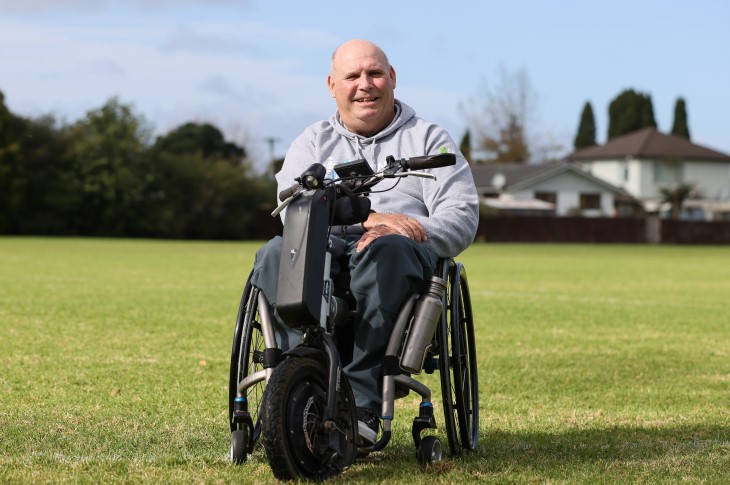
I got involved in Spinal Support New Zealand, first as a volunteer, eventually becoming president. I worked to ensure people newly affected by spinal injuries weren’t left to face the unknown alone.
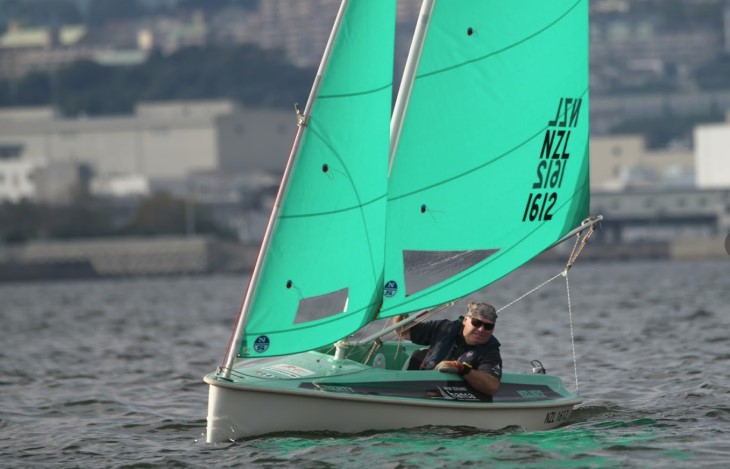
I also found my way back to the sea, through Sailability Auckland, a charity helping people with disabilities sail.
We’ve seen people in power chairs, dependent on others for nearly everything, climb into a boat and take control.
Watching someone realise they can sail, they can be free — that’s powerful and healing.
‘One moment can change everything’
But none of this would have happened if I hadn’t fallen. And I don’t say that to make it sound like a silver lining. I say it as a warning: don’t let it take a life-changing injury to make you stop and think.
DIY injuries aren’t just numbers. They’re lives upended in an instant – a broken neck from a roof fall, a severed tendon from a circular saw, a fractured spine from a wobbly ladder. And often these accidents are preventable.
So if you’re picking up a hammer this weekend or climbing onto a ladder, please take a breath. Check your gear. Wear the safety gear. Get someone to help. Ask yourself, “Is this shortcut worth it?”
I can tell you first-hand: one moment can change everything.
And if it does, the road back isn’t easy. There’s always a lot you can still do after a life-changing accident. I’ve spent the last 24 years helping others through that journey, and I wouldn’t trade that purpose for anything. But, if I had the chance to go back to that day in 1999 and make one small change, I would.
So please, don’t become a statistic. Be safe. Be smart. Your future is worth more than a shortcut.
Top tips for DIY safety
Many accidents in the home happen because people are rushing. Slow down and stop to assess the risks.
Use all the recommended safety gear and keep it close to your tools. This includes hard-toed shoes, protective eyewear and earmuffs.
Keep children in mind. Make sure someone is supervising the kids, and keep tools and sharp objects out of reach.
Find better ways to lift and carry things (like using a wheelbarrow instead of taking the weight yourself).
Get work off the ground and place it on a table – this reduces the need to bend over.
Use extension poles and step ladders to reduce overhead work and avoid over-extending your neck.
If you’re getting up on a ladder, make sure it’s strong and in good condition. Use it on a firm, even surface. Avoid the top rungs and keep three points of contact on ladders, for example two feet and a hand. It also pays to avoid over-reaching – get down from the ladder and move it across instead.
Painting the deck or re-finishing furniture? Make sure you’re keeping paints, sprays, chemicals and solvents with the lids on when you’re not using them, and they’re not within kids’ reach.