
Brendon’s story: Keeping a competitive edge through waka ama
The rugby career of Brendon Timmins was ended by injury but he’s kept his competitive edge through waka ama. He’s part of the largest ever South Island contingent to compete at the ACC-supported Waka Ama Sprint Nationals.





Injuries ultimately ended Brendon Timmins’ professional rugby career.
The comradery, competitiveness and physicality were what he came to miss most about the sport.
But through waka ama he’s been able to find that again.
“I had one paddle and was hooked,” he says.
That was five years ago.
Brendon is a member of the Dunedin-based Fire in Ice Waka Ama Club and is also chair of Te Waka o Aoraki, which represents waka ama in the South Island region.
He navigated several major injuries through his rugby career but a prolapsed cervical disc – which nearly severed his spinal cord – finally forced him to stop playing at a professional level.
“Nowadays, I’ve also got two fully-replaced knees, so I can't run like I used to and be out pounding the pavement. That’s why paddling fits really well for me.”
Brendon starred in Super Rugby as a lock for the Highlanders, while also representing Otago and Southland at provincial level.
Once a competitor, always a competitor, he says.
“It doesn’t matter how old I get, I haven’t lost that drive. I can paddle and still go hard and I love it.”
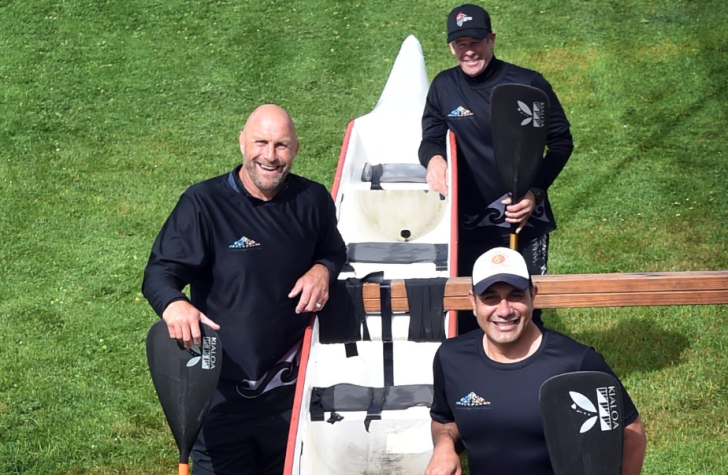
Brendon Timmins, left, enjoys the competitive aspect of waka ama.
Spreading the waka ama word
Brendon applies the same drive to the positions he holds within waka ama in the South Island.
“It’s a privilege to help grow the sport and I'm very passionate about what I do.”
He says resourcing is the biggest challenge.
“We’re nowhere near as big participation-wise as the North Island but there are a lot of good people who want to do good things for waka in the south.”
The South Island currently operates as one region, while the North Island is split into five.
“Te Waka o Aoraki’s vision is to have three sub-regions operating in the south – top, middle and bottom,” Brendon says.
“It will mean we can really focus regionally within our spaces, then come together as Te Waka o Aoraki and work to grow the sport even bigger.”
In Dunedin, Brendon’s connected with Otago University to start offering waka ama to the students in the form of an inter-college regatta early in semester one.
“A lot of these students come from up north and have grown up with waka,” he says.
“It’s a way for them to stay connected to the sport and for us to share awareness that there’s something here for them to continue with.”
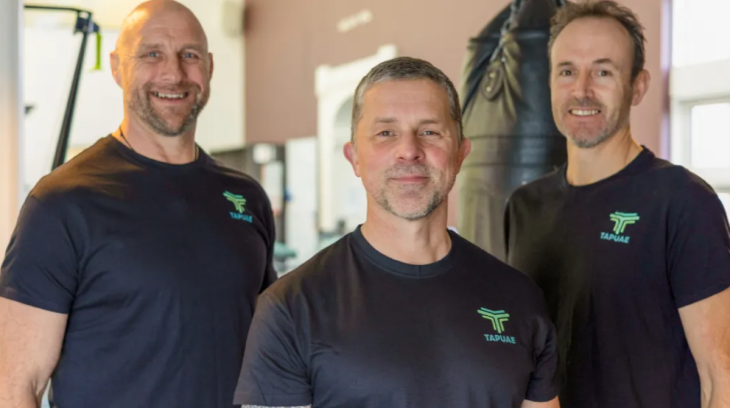
Brendon Timmins, left, with colleagues from Otago Polytechnic.
Promoting whānau health through waka ama
The ACC-supported Waka Ama Sprint Nationals are being held at Lake Karāpiro, near Cambridge, this week.
The South Island will have the most paddlers represented at nationals ever, Brendon says.
The theme of this year’s nationals is centred around whānau health, with a dedicated Hauora Hub to support participants and spectators.
Hauora (health and wellbeing) encompasses every aspect of the sport, Brendon says.
“The competitiveness and the physicality are two things that sit strongly with me. But when I get out on the harbour to paddle in the mornings and the sun comes up over the Otago Peninsula, there’s nothing better spiritually.”
An inclusive sport for all
Brendon strongly encourages everyone to give waka a go.
“You don’t know what you don’t know but, if I didn't get that whole full-cup feeling, I wouldn't be still doing what I'm doing. Waka ama has given me a new lease on life,” he says.
“There’s such a supportive kaupapa within waka. I can go anywhere in the country, around the world even, find a club, and go for a paddle.
“That’s something that’s pretty unique to the sport I think.”
It’s inclusive and encouraging of everyone, he says.
From tamariki right through to people over 80-years-old, there’s a massive family of support ready to welcome you into the space with open arms.
“If you’re carrying a few injuries from a previous sport like me, it’s very sustainable, whether you just want to paddle casually or competitively.”
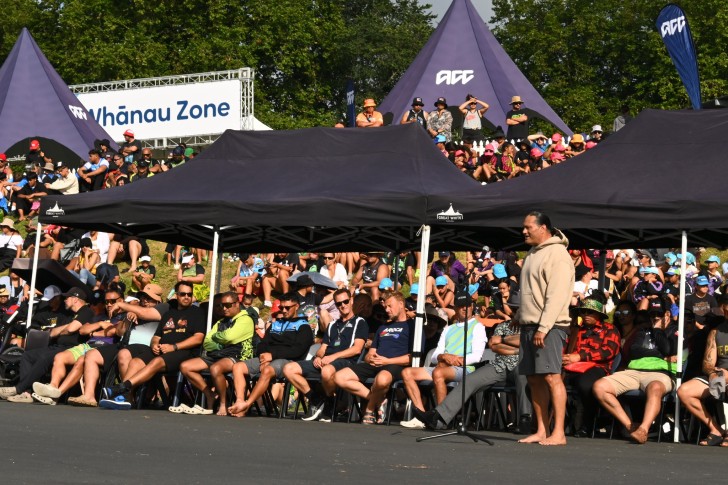
The ACC-supported Waka Ama Sprint Nationals are taking place at Lake Karāpiro from 11-17 January.
ACC proud to support waka ama
Andy Milne, ACC’s Deputy Chief Executive of Strategy, Engagement and Prevention, says the Waka Ama Sprint Nationals is a special event.
“We’re proud to support the kaupapa of waka ama, strengthening community resilience and wellbeing through sport and family-focused initiatives,” Andy says.
“Staying connected to your whānau is one of the most powerful things you can do for your wellbeing during recovery from an injury.”
ACC aims to encourage safer participation in sport, promote injury prevention and ensure New Zealanders of all ages understand the role of rehabilitation when injured, Andy says.
“An injury doesn’t have to put your life on hold. With an active recovery, you can get back to what’s important to you — whether that’s time with your whānau, joining your team on the water or even just being able to enjoy the summer.”
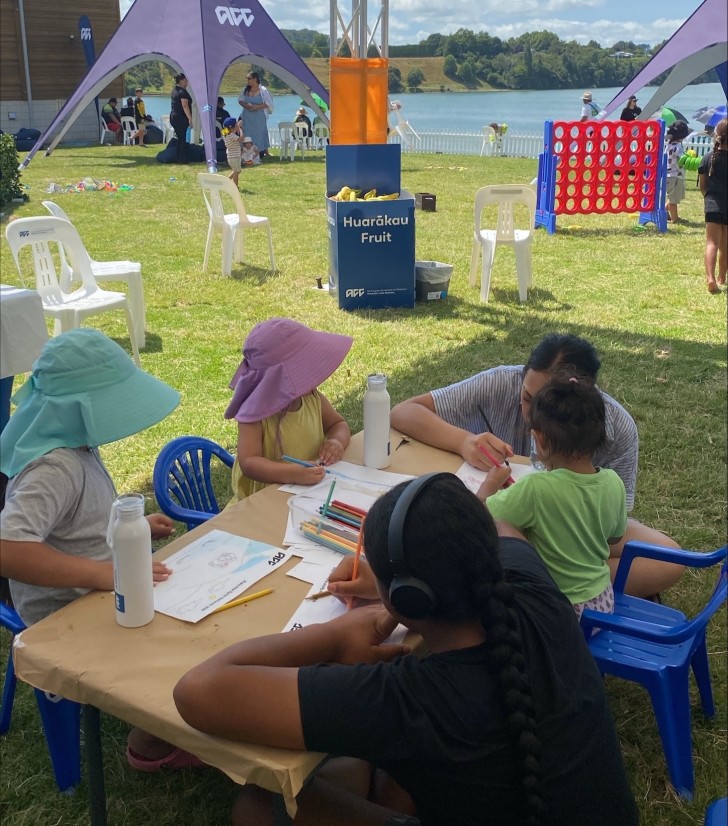
The ACC Whānau Zone provides a space for paddlers and supporters to relax.
A welcoming space for whānau
ACC is hosting a Whānau Zone for supporters, paddlers and wider whānau to relax and watch the racing.
We also have staff on site to share information about ACC support services, as well as providing the opportunity to try a community strength and balance class.
“Community strength and balance classes are more than just exercise – they’re about connection, confidence and staying active so you can prevent injury and continue to do the things you love,” Andy says.
“Whānau can come and give a class a go and, if they’re interested, then visit the Live Stronger for Longer website to find and continue classes when they return home.”
ACC data shows Māori are less likely to access ACC entitlements compared to non-Māori but are more likely to experience a serious injury.
“Community events like waka ama help us to raise awareness and build understanding around ACC services that improve rehabilitation outcomes for all New Zealanders,” Andy says.