
Buckle up for your loved ones

We’re teaming up with NZTA and the rugby community to reduce road fatalities and serious injuries due to non-seatbelt use. Do your bit and make it click.





You wouldn’t take the rugby field without your mouthguard, so why would you get in the car without your seatbelt on?
A new road safety campaign is targeting New Zealand’s rural rugby communities and reminding them of the importance of buckling up.
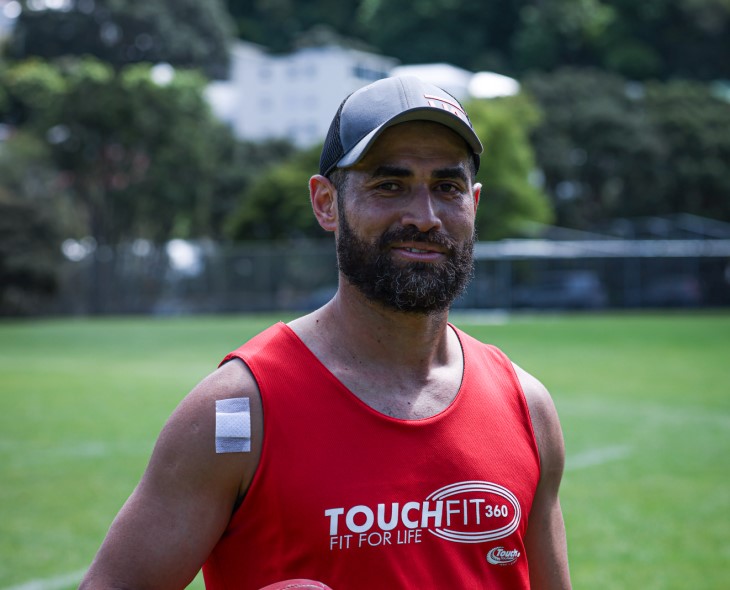
South Canterbury rugby coach Nigel Walsh knows first-hand how wearing a seatbelt can save your life.
“I’m one of the lucky ones,” Nigel says.
“I've been in a couple of crashes, and I've had my seatbelt on and come through the other side. But I’ve known others who haven’t been so lucky and didn't bother to put their seatbelt on.”
Nigel played 170-odd games for the Pleasant Point senior rugby side, along with about 70 games for South Canterbury.
A serious neck injury in 1998 ended his playing career early, so he took up coaching at the Celtic Rugby Club. He is also the general manager of Temuka Transport.
The large agriculture sector in South Canterbury means a lot of players at the rugby club and drivers at the transport company are spending many hours on rural, shingle roads.
“Some of our boys are travelling a good hour and a half to two hours to training in the middle of a winter night. The ground is frozen and there’s snow on the roads, especially up around the Mackenzie Country,” Nigel says.
“It's extremely important we drive the message of wearing your seatbelt for both our rugby players and our truck drivers.”
Accidents have big impacts in rural communities
Nigel says Timaru has a very tight-knit community where social bonds are strong.
“Being the small town that we are, everybody knows each other, so a serious accident ripples through the community pretty quick,” he says.
“We want to make sure our drivers get to work safely, they have a safe day on the road, and they go home safely to their families.”
He says the same applies to the rugby community.
“They have enough collisions on a Saturday on the rugby field. We don’t want them in another collision after the game.
“Putting your seatbelt on when you get in the car is no different to putting your mouthguard in when you step onto the rugby field.
“Take that extra precaution, it only takes a couple of seconds. Reach over that shoulder, grab that belt, click it in, be safe and get home to your families.”
‘No one is exempt from wearing a seatbelt’
Research from the New Zealand Transport Agency Waka Kotahi (NZTA) shows the group least likely to wear belts are males aged 18 to 39 in rural regions.
But no one is exempt from wearing a seatbelt, Nigel says.
“It’s not just the young ones, it’s a lot of the older ones who just hop in and think it’s okay because they’re just driving down the road and not going to be too long.”
Half of all injury crashes occur within 7km of home, according to NZTA research.
“It doesn't matter how far you’re going or how fast you’re going – put a seatbelt on and look after yourselves,” Nigel says.
“We want to see you on the field and at work – you can only do that if you take the safety precautions.”
Nigel buckles up for his family, friends and workmates.
“It’s my obligation to do my part in getting home safe,” he says.
“Everybody wants to be around the table at Christmas time together, so take the time to buckle up, make it click and stay safe.”
‘If someone dies, the impact lasts forever’
ACC is supporting NZTA with its seatbelt campaign to improve restraint use and reduce road fatalities and serious injuries due to non-seatbelt use, says ACC Injury Prevention Leader James Whitaker.
Last year, we supported people to recover from around 35,000 road-related injury claims. Road-related injuries cost ACC over $770 million annually but James says the cost to ACC is just a small part of the problem.
“When someone is killed or seriously injured on our roads, there are considerable flow-on effects for a wide range of people,” he says.
“These injuries affect the injured person’s friends, family and work mates too. If someone dies, the impact lasts forever.”
Seatbelts have been compulsory in New Zealand since the 1970s but people are still dying because they’re not wearing belts, James says.
“Be a role model for your family, mates and workmates. Protect those you care about. You don’t want to lose a loved one over something as trivial as not wearing a seatbelt.
“When you’re choosing whether to buckle up or not, just think, if I get hurt, who gets harmed?”
Since 2020, 447 people killed in crashes were unrestrained – 34 per cent of all road deaths. In Canterbury, 31 per cent of fatal crashes involved people who were unrestrained (52 people).
Wearing a seatbelt reduces the risk of dying or being seriously injured in a crash by 40 per cent, says NZTA’s Head of Regulatory Strategic Programmes Tara Macmillan.
“Wearing a seatbelt is one of the easiest, fastest and most effective ways to protect yourself from injury in a crash,” Tara says.
“If everyone buckled up, we could save around 20 lives every year.”

Seatbelt injuries and deaths by the numbers
- Road crashes cost ACC over $770 million annually. In 2024, we received around 35,000 road-related injury claims.
- Those least likely to wear seatbelts are males aged 18 to 39 who live in rural regions.
- Of drivers who died in vehicle crashes in New Zealand since 2020, 34 per cent were not wearing a seatbelt. That’s 447 deaths where a restraint was not worn or available.
- So far in 2025 (up to 31 August), 23 per cent of drivers or passengers who died in vehicle crashes in New Zealand were not wearing a seatbelt.
- Wearing a seatbelt reduces the risk of being killed or seriously injured in a road crash by about 40 per cent.
- If everyone wore their seatbelts, an estimated 20 lives could be saved from road crashes each year.