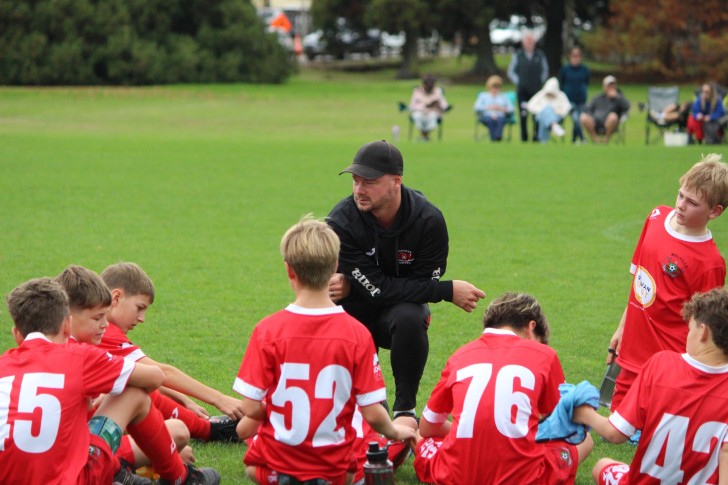

Build into your season to stay injury free
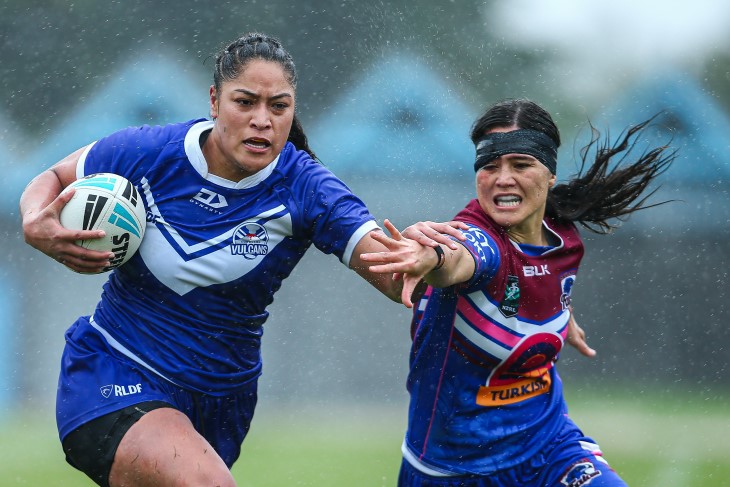
With the winter sport season kicking off around the country, we’re challenging New Zealanders to ‘Have a hmmm’ so they can stay on the field.





For some people, winter is their favourite time of year. The weather is a bit cooler, but the oranges are being cut and it’s time to take the field or court with your team-mates.
You might be surprised to learn injuries don’t peak late in the season when tired bodies are wearing out. In fact, our data shows the peak time for winter sport injuries is early in the season in May.
ACC injury claims for netball, basketball, rugby union and rugby league consistently peak in May as seasons get under way. Claims for football players peak a bit earlier in April.
ACC Injury Prevention Leader James Whitaker says it’s awesome to see so many people signing up for their local team, but he says a common trend is people going too hard, too soon and ending up injured.
“It’s really important to take a step back and think about how you can best prepare yourself for the upcoming season,” he says.
“Smart things to focus on include increasing your fitness, refining your skills and improving your physical condition.
“We want everyone to get out and enjoy the sports they love, but we want them to be properly geared up so they reduce their chance of suffering an injury that puts them on the sideline.”

Avoiding the pain of early season injuries
ACC funds a range of national sports bodies to ensure players, coaches and referees can access a range of injury prevention programmes that are designed to improve performance and reduce injury risk.
Across the five leading national winter sports in 2025 (rugby union, rugby league, football, basketball and netball), ACC accepted 162,263 claims at a total cost of $357m.
In 2025, ACC paid for a total of 487,889 days of weekly compensation to people with winter sports injuries.
The most common injuries across all sports were strains and sprains, with knee, ankle and shoulder injuries consistently the most prevalent.
“We know that when people get injured, it doesn’t just affect the person – it has a flow-on effect to their friends, whānau and workmates.”
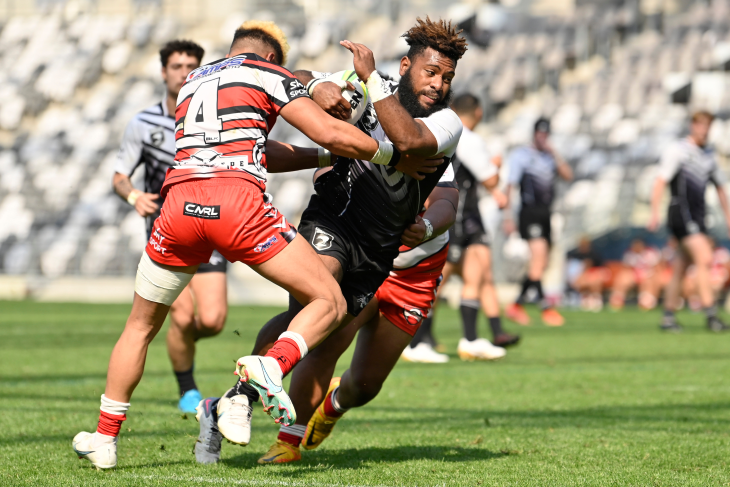
James says most injuries are predictable and therefore preventable.
And data shows teams with the fewest injuries are often the most successful and lifting trophies at the end of the season.
“One of the best ways you can prepare your body and avoid the pain of early season injuries is by starting your training well before the season starts,” James says.
“Gradually build intensity in the build-up to the season and put your body through the movements you’ll use in the game.
“A dynamic warm-up should be done before every training and game, and the same with a cool down after the game or training to gradually bring your body back to a resting state, to help your body recover. This is also a good time to include static stretching.”
Changing the culture around concussion
It’s also important to look after your brain.
Across the five main winter sports in 2025, there were 5,854 concussion-related injuries – rugby union (3,256), football (1,258), rugby league (609), basketball (457) and netball (274).
James says everyone has a role to play in supporting the recognition and management of concussion.
“We know early removal and early access to care reduces recovery time,” he says.
“It’s recommended to take extra caution with children, adolescents and female athletes, as they take longer to recover.”
In 2024, ACC launched the National Concussion Guidelines for community sport. James says building the awareness around concussion leading into the season is important.
“The more we call out concussion, the more it creates an environment where no one is going to be heckled for doing the right thing,” he says.
“That makes it easier for players to say they think they’ve had a concussion. We need to continue changing the culture and provide a safe environment for reporting concussion.”
Sport Concussion in New Zealand: National Guidelines
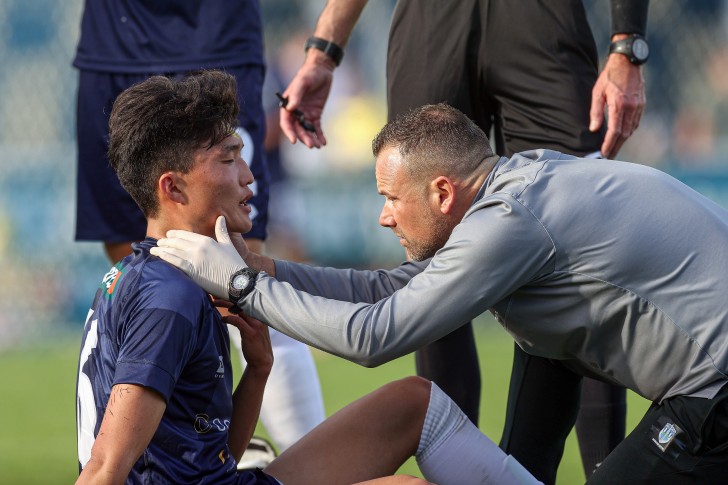
Injury claims by winter sports in 2025
Rugby union: 58,045 claims at a cost of $155 million to help people recover
Football: 47,860 claims at a cost of $86 million
Netball: 23,701 claims at a cost of $51 million
Basketball: 22,590 claims at a cost of $32 million
Rugby league: 10,067 claims at a cost of $33 million

The Four Rs of concussion management
- Recognise (the signs and symptoms of concussion)
- Remove (the person from play)
- Refer (to a medical doctor to confirm diagnosis and provide treatment)
- Recover (at least 28 days of no symptoms before returning to training/sport)
Support safer concussion management with the National Concussion Guidelines