
Clinton’s story: ‘It could’ve been really bad’
Mountain bike enthusiast Clinton Williams feels lucky not to have suffered a life-changing injury after several serious incidents on the trails. He’s an advocate for riding to your limits and having a ‘hmmm’ before each ride.





It’s a summer evening in February two years ago. Clinton Williams, 45, has just clocked off work for the day and is heading out on his mountain bike with two mates.
The three of them are riding at another friend’s place who has about 20km of track in Pukekohe, just south of Auckland. They’ve been out there for about an hour when they get separated from each other.
Clinton is riding a steep section of the trail that drops into a big valley.
He enters from about halfway, but unbeknown to him one of his mates has taken a wrong turn and has also entered the valley – but from the opposite direction.
“By the time we saw each other, it was too late,” Clinton says.
“My head hit him in the chest travelling at about 35km per hour. It made this massive bang.”
Both bikes were brought to an immediate stop and their riders fell off sideways.
“I was on my hands and knees for a bit and then I just rolled over and laid there.
“I thought, ‘Can I get up? If I can get up, I can walk out of here.’ But that didn’t happen. I just laid there on my back and looked up at the trees.”
The third rider heard the collision and rushed to their aid. He was able to get to the house on the property and call for help.
An ambulance and the Auckland Westpac Rescue Helicopter arrived.
Clinton was secured in a neck brace and flown to Middlemore Hospital. His mate was taken via ambulance.
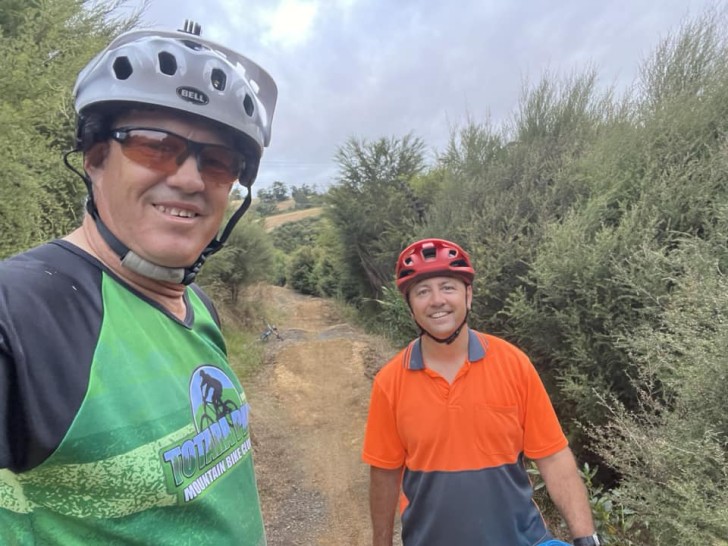
Clinton Williams, right, has suffered many injuries while mountain biking but says they could have been much worse.
‘Having access to ACC is awesome’
Clinton had fractured his neck and back in three places each – but was considered extremely lucky.
“It could have been really bad,” he says.
“A little bit further in either direction and it could have been completely different.”
He was in hospital for three nights before being discharged to spend the rest of his recovery at home.
ACC supported Clinton with his recovery, which included many physiotherapy sessions and medical appointments, as well as eight weeks off work.
“The kind of person I am, it’s hard to stay at home and not do anything. But I had to allow my body time to rest and recover. And I’m lucky with my position at work that when I was ready I could do stuff on the computer,” he says.
“It’s awesome we have access to something like ACC in New Zealand. I’ve heard about things happening overseas and there’s just not the support on offer.”
‘Everyone should ride within their limits’
Clinton’s injury meant he couldn’t drive and everyday tasks like eating and showering were difficult.
He has four children and being injured meant he couldn’t be as involved with their lives and sports as much as he’d like.
A coach to young riders at his local mountain bike club, his injury meant he had to take time off coaching as well.
He was cleared by the surgeon to ride again about four months after his accident.
But it’s far from his only mountain bike incident.
Around 30 years ago, he was out riding with a friend when he clipped a post, got thrown from his bike and was knocked unconscious. Like many years later, that accident also resulted in a teenaged Clinton being airlifted to hospital.
He had another accident at the beginning of last year when he was leading a coaching session. He jumped through a section and got too close to a tree, which knocked him off his bike again, this time breaking his left wrist and right collarbone.
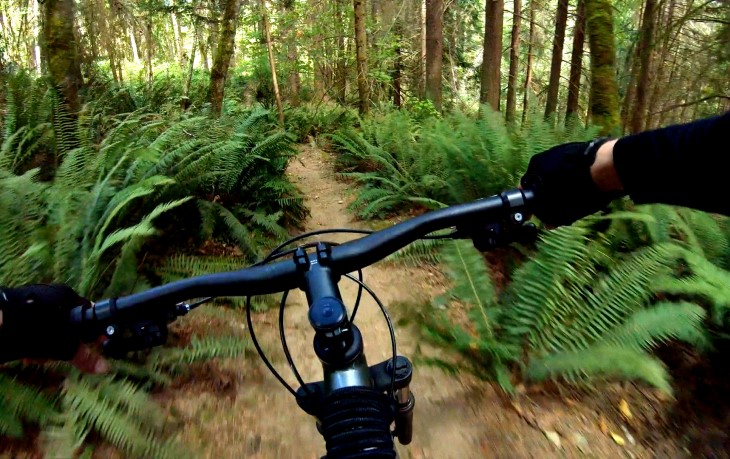
“Over the amount of years I’ve been riding, I’ve been lucky to avoid more serious injuries. I’m a little bit tamer now,” he says.
“Everyone should ride within their own limits. It’s easy to get hurt and make a wrong decision if you’re tired or not concentrating.
“A fair bit of experience and calculation goes into doing the jumps the elite guys do, and even they have injuries. If you’re not sure whether you have the skills to do something or something doesn’t feel right, it’s not worth doing just to impress your mates – there’s real consequences for that.”
Clinton recommends anyone new to mountain biking or looking to upskill to get in touch with a club and find a coach.
“The mountain biking scene has a great community, everyone is genuinely happy to help and it’s enjoyable helping someone learn,” he says.
“There’s a lot of clubs that have made coaching more accessible to everyone, and in particular nurture the younger kids.”
‘Have a hmmm’ on the trails
ACC is asking all mountain bikers to ‘Have a hmmm’ before hitting the trails this summer.
In 2024, we received 4,239 mountain biking injury claims, costing $22.2 million to help people recover. Up until early October last year, there were 2,892 claims for mountain biking injuries, costing $18.8 million to help people recover.
Mountain biking is one of New Zealand’s favourite summertime activities but riding full-speed down a mountain does come with its risks, ACC injury prevention leader James Whitaker says.
“With more riders enjoying the growing network of incredible trails across the country, it’s important we all stop and ‘Have a hmmm’ before getting on our bikes,” he says.
“Injuries, especially serious ones, can have a major impact on people’s lives. We want mountain bikers to enjoy their time on the trails and go home safe after every ride.
“If we all take a moment to think about the smart way to do things, we can reduce the risk of injury and continue to enjoy the summer activities we love, while staying safe and injury free.”
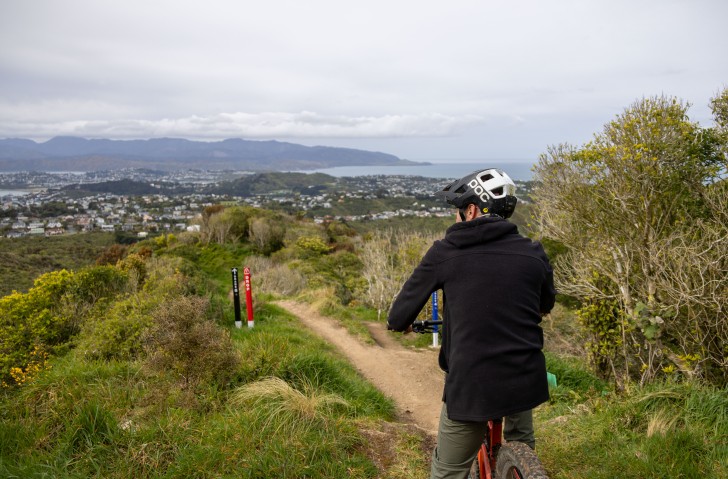
Mountain bike safety tips
- Choose trails that match your skills and experience
- Wear the right gear (helmet, gloves and pads) and make sure it all fits well
- Ease into your ride so you can plan where you’ll land after a jump etc
- Where you look is where you’ll go (so keep your eyes on the track – not on the obstacles you’re trying to avoid)
- Stop in places where you won’t get in other people’s way
The ‘ABCD’ safety check
Check your bike is ride ready – ‘ABCD’ is a quick and easy safety check you can do, which can make all the difference in preventing you from getting injured:
- ‘A’ for air – check the air in your tyres and follow the settings indicated on the side of the tyre
- ‘B’ for brakes – check both your front and back brakes are working
- ‘C’ for chain – make sure your chain is going around the cogs on your bike properly and it has a bit of lube
- ‘D’ for drop – pick up your bike and drop it on the ground on its wheels, if there’s anything loose you’re going to feel or hear it
The New Zealand Mountain Bike Trail Design Guidelines were updated this year to bring a greater consistency to the signage and grading on trails, helping people enjoy mountain biking safely.