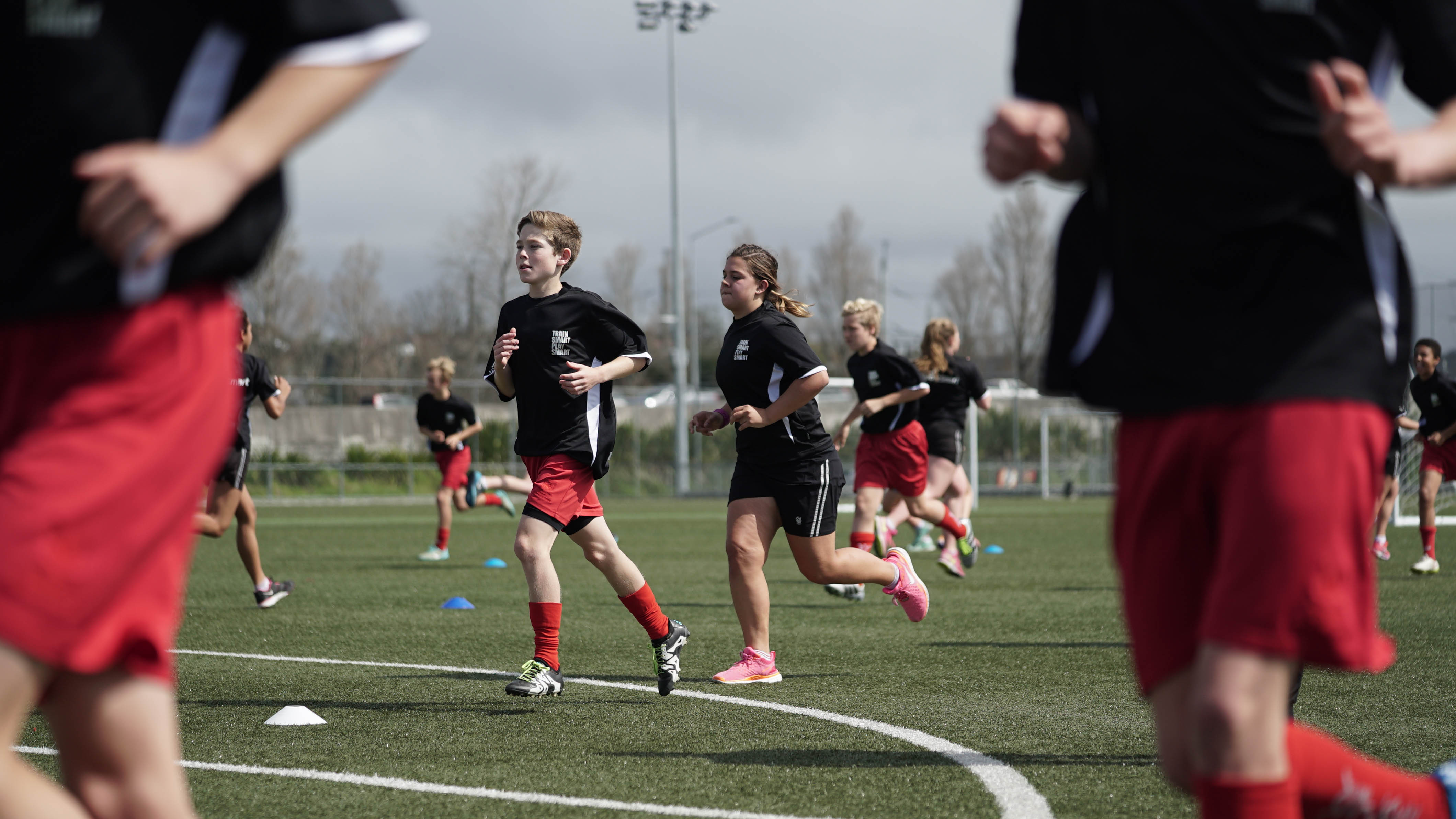






Are you worried about concussion risk for kids playing contact sports?
Agree with your thinking
Our advice on how to recognise concussion in kids, and what to do if you see the signs.
You might think concussion is exclusive to big, burly rugby players. Wrong! Concussion can happen to anyone, at any age and in lots of ways.
You don't even need a hit on the head, or to lose consciousness. It can be caused by a simple blow to the body that causes the head to rapidly move back and forth.
Concussion is a brain injury and can have lasting effects on a person's health and well-being.
Last year, concussion affected 9,760 young people aged 19 and under. We spent a total of $415 million on treatment and other costs for people recovering from concussion.
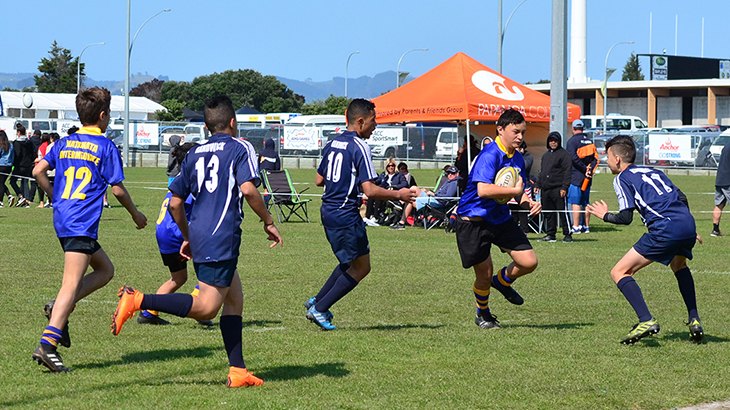
With the AIMS Games coming up in September, it's a good time for parents and coaches to remind themselves of the signs and symptoms of concussion and what to do if you see them.
The AIMS Games is an annual sports competition for 11 to 13-year olds and the biggest event of its kind in the southern hemisphere.
There are three things to do when it comes to suspected concussion in kids. The term ‘The Three R’s’ handily sums them up:
Below is a bit more detail on the Three R’s.
Recognise the signs and symptoms of concussion in kids. There are physical and memory-related signs, as well as clinical symptoms (what the child feels).
Ask them simple memory questions they should know answers to. If they can’t answer them, that’s a sign of concussion.
What they feel:
Agree with your thinking
If you think a child might have concussion, take them out of the game right away.
If a child is unconscious, you should apply first aid principles (DRS ABCD). You can read about those on the Ministry of Health’s Kids Health website.
Treat an unconscious child as if they have a neck injury and don't move them under any circumstances, even to take off a helmet. Seek help by calling 111. A medical professional trained in spinal immobilisation techniques should do any moving of the child.
Refer them to a doctor or emergency department immediately. It’s critical for a trained doctor to assess a child with suspected concussion before any return to school or sport.
And make sure you follow the doctor’s orders to the T on when a child can go back to activity.