
Don't wait to fall to access support
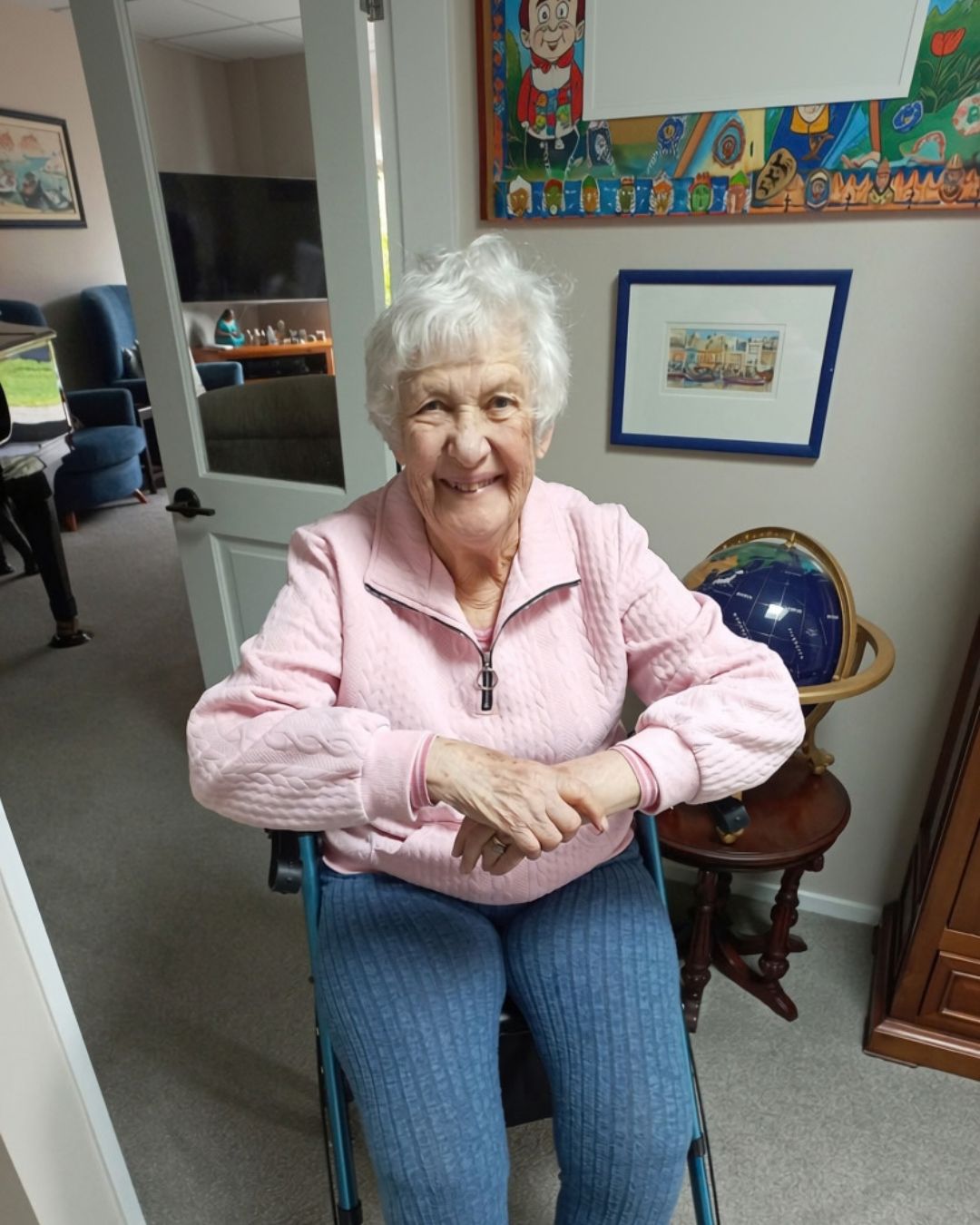
One in three people over 65 injure themselves in a fall each year, rising to one in two for those over 80. We spoke to 82 year old, Lynne Strode-Penny about her fall injuries and how our new in-home safety initiative works to reduce the risk.





Lynne Strode-Penny lives on the beautiful Kapiti Coast and when she’s feeling up to it she loves to paint.
The walls of her home are decorated with 81 pieces of her own artwork.
Lynne’s ability to paint was threatened when she had her first fall-related injury around 10 years ago.
Lynne was out gardening when she lost her footing on a steep slope, fell, and cracked her ribs.
Since her first fall, the 82-year-old has had numerous others – one of the worst occurring during a trip to Singapore.
"I fell in the rain and hit the concrete, breaking my arm and leaving me incapacitated for a long time," says Lynne.
More recently she has fallen in the street in Lower Hutt and in Wellington City.
Each fall has left her with another bruise, reduced her confidence and taken more of her independence.
Lynne has post-polio syndrome, which does affect her balance and makes her a little more unsteady on her feet.
"I have been involved in some really bad falls and the one thing that has stuck with me the most is how debilitating they are.
"I never really appreciated how much of a factor that was until it happened to me."
After Lynne's falls, she began using her left arm to paint.
Fortunately, she was able to adapt and continue painting, but other daily tasks were not as easily modified.
"I can't reach up and grab something from the kitchen cupboard with my right arm and I don't drive, as I can't raise my elbow above my right arm, and I'm not prepared to take that risk on the road."
Lynne lives with her husband John in a retirement village in Waikanae. It was in the village's weekly newsletter that she first read about ACC’s In-Home Safety initiative.
'Falls don't have to happen'
ACC is working with community providers in six regions to reduce falls in the home for people over the age of 65 (or over 55 if there is a history of falls).
Through the initiative, people are offered an in-home assessment to identify any potential hazards for falls.
If any hazards are identified, allied health providers will make recommendations and organise for a qualified builder to install safety equipment.
Equipment available includes up to two grab rails and a non-slip bathmat - all at no cost to the resident. These simple interventions have been associated with the prevention of falls.
Falls are the most common cause of injury in New Zealand, says ACC injury prevention leader James Whitaker.
“Each year ACC supports people to recover from over 700,000 fall related injuries,” says Whitaker. “One in three people over 65 injure themselves in a fall each year, rising to one in two for those over 80.”
Falls don’t have to happen – there’s lots that people can do to prevent them and continue doing the things they love doing, says Whitaker.
“This includes taking part in strength and balance classes (available via www.livestronger.org.nz, using the Nymbl balance app, or making your home more fall-proof.
"By getting In-Home Safety equipment installed in their homes, participants will help us to understand if home assessments, grabrails, and non-slip bathmats can prevent fall-related injuries."
Given Lynne's history with falls, both her and her husband were keen to find out more about the initiative.
"It sounded too good to be true," says Lynne. "Everything was done with minimum fuss and maximum kindness."
The initiative is a great example of preventative care, says Lynne.
"You just have to reach out and be proactive. If more people accessed preventative care they would be a lot steadier on their feet and could prevent a broken leg or ending up in a bed permanently.
"Preventative measures like this initiative give you the confidence to move better than you did before."
In-Home Safety initiative
Community providers will help to identify people who could be interested in taking part in this initiative.
The community provider will then work with the participant to organise suitable times to carry out a home safety assessment and the installation of safety equipment, if recommended following the assessment.
Safety equipment may include up to two stainless steel grabrails, and a non-slip bathroom mat. The assessment and installation will be at no cost to the participant.
ACC will monitor falls related injury claims that occur in individuals who live at participating home addresses for up to ten years.
ACC will then use the results of this initiative to understand whether the installation of home safety equipment improves safety and prevents falls in older adults.
If you live in the Kapiti or Wairarapa regions and are interested in being a part of the In-Home Safety initiative, please email WSM Group at preventfalls@wsmgroup.co.nz who will confirm eligibility and organise this for you.
There will also be information available on the programme at the upcoming Aging Well Expos (Age Concern Wairarapa – Dedicated to the wellbeing of older persons in the Wairarapa community.) in the Wairarapa on 14 October 2026 and in Kapiti on 4 November 2026.