
Injury prevention: Easing back into the gym
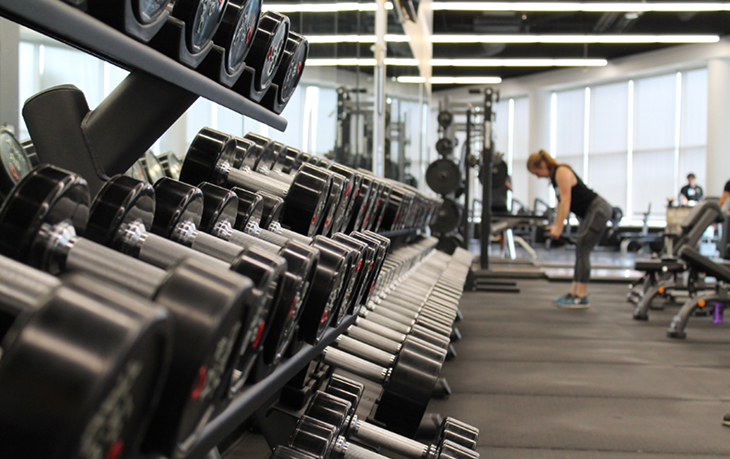
The new year is the perfect time to tackle fresh fitness goals after a relaxing festive break. But it’s important to ease back in and ‘Have a hmmm’ to avoid injury.





Many of us took a break from our regular routines over the festive period and enjoyed some time out with friends and family.
But if you’re feeling ready to get back into the gym and start working on your fitness again, just remember to ‘Have a hmmm’ first.
In 2024, ACC accepted 61,231 claims for fitness training and gym-related injuries. These injuries cost $63.5 million to help people recover.
Up until early October in 2025, ACC had accepted 48,806 claims for fitness and gym injuries. These injuries cost $55.6 million to support people with their recoveries.
ACC Injury Prevention Leader James Whitaker recommends easing back into your training after the festive break.
“It can be tempting to jump right back into intense training, but going too hard, too soon might increase your risk of injury,” he says.
“You might not be able to pick up your training from exactly where you were before the break and that’s okay – you’ll get back there with a plan.”
Setting and tackling your goals
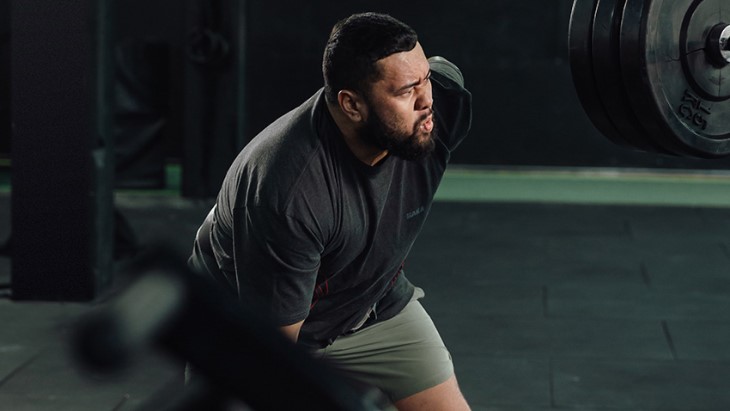
The start of the year is the perfect time to set some goals and write down the steps it will take for you to achieve them.
This will keep you on track and significantly reduce your risk of suffering an injury, James says.
“If you’re unsure where to start, talk to a registered personal trainer. They’ll design a programme that’s specific to you, your experience and your goals.”
James also recommends completing a dynamic warm-up before attempting to lift any heavy weights or to hit pace on the treadmill.
“Done correctly, warming up and cooling down will help reduce your risk of injury and improve your athletic performance overall,” he says.
It’s best to focus on large muscle groups and do exercises specific to the workout you’ll be doing.
Start at a low, slow pace and slowly build in speed and intensity.
“Warming up and cooling down only adds a few minutes to your exercise routine, but significantly lowers the stress on your body, reducing muscle soreness and risk of injury,” James says.
“We want all New Zealanders to be living active, healthy lifestyles. A preventable injury shouldn’t get in the way of that.
“So ‘Have a hmmm’ and take a moment to consider the risks of injury before you rip into it this year, so you can continue chasing the results you’re after.”
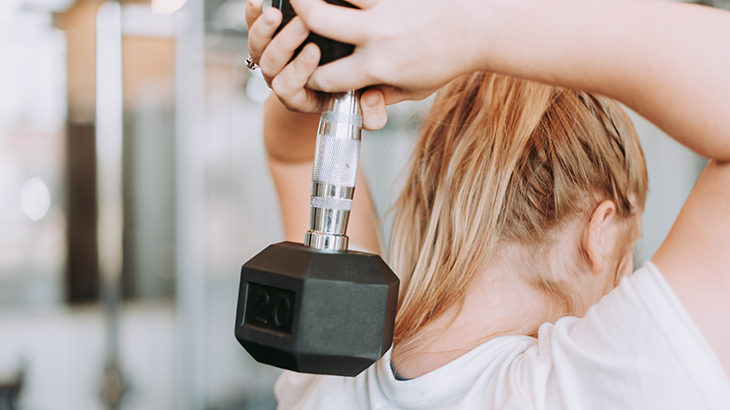
Tips to prevent a gym injury
- Complete a dynamic warm up
- Ease into it – going too hard, too soon can lead to injury
- Get advice from a registered personal trainer, you can find one near you on the website for REPs, the registration body for Exercise Professionals and Facilities
- Be realistic and listen to your body – go at your own pace
- Have recovery days and, if you do get injured, take time to recover and don’t rush back into training
Gym injuries by the numbers
In 2024, ACC accepted 61,231 claims for fitness training and gym-related injuries. These injuries cost $63.5 million to help people recover.
In 2025 (up until early October), ACC accepted 48,806 claims for fitness training and gym-related injuries. These injuries cost $55.6 million to help people recover.
In 2024, the age group most impacted by fitness training and gym-related injuries was 30-34 with 9,381 claims ($9.9 million), ahead of 25-29 with 7,922 claims ($9 million) and 35-39 with 7,877 claims ($8.2 million).
Males and females had a similar number of claims in 2024, with males recording 30,189 claims ($34.3 million) and females 30,999 ($29.1 million).
Soft tissue injuries were the most common claims in 2024 (59,042) while 752 people had a fracture or dislocation.
Lower back/spine was the most commonly-injured site (14,933), followed by shoulder (11,721) and knee (6,712).