

Know your limits on the slopes
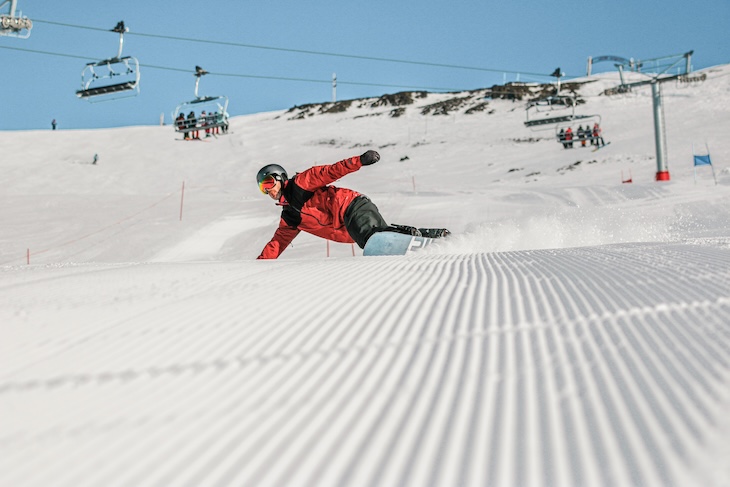
As skiers and snowboarders head to the mountains this winter, we’re encouraging people to ease into it and know their limits so they can enjoy the whole season.





ACC injury prevention leader James Whitaker says winter is one of the best times of the year for many New Zealanders. The feeling of being up the mountain on your board or skis with your mates and enjoying our best slopes is not to be taken for granted.
But James says by taking a moment to ‘Have a hmmm’ and consider the risk of injury, we can give ourselves the best chance of enjoying the whole season.
“Hitting the slopes with friends and family is one of the most wonderful things you can do,” he says.
“It’s great if people can enjoy this winter season safely so they can keep doing what they love.
“If we get injured on the slopes, it can significantly affect our lives, as well as the lives of our friends, family and workmates.”
We accepted 8,309 skiing injury claims in 2025, at a cost of $32 million to help people recover. We also accepted 5,425 snowboarding injury claims, which cost $14 million. This was the highest number and the highest cost of these injury claims for the past five years. James says most injuries are predictable and therefore preventable.
He says a simple way to reduce injury risk is to pause and ‘Have a hmmm’ before taking on a run, especially early in the season when people may not yet have their ski legs back.
“It’s natural to be excited when you get back on the mountain, but the first day back is not the time to test your limits,” he says.
“Start with an easier run, build up gradually and be honest about your ability, your fitness and the conditions. Taking a moment to think about the risk can help you make good decisions and avoid an injury that could sideline you for weeks or months.”
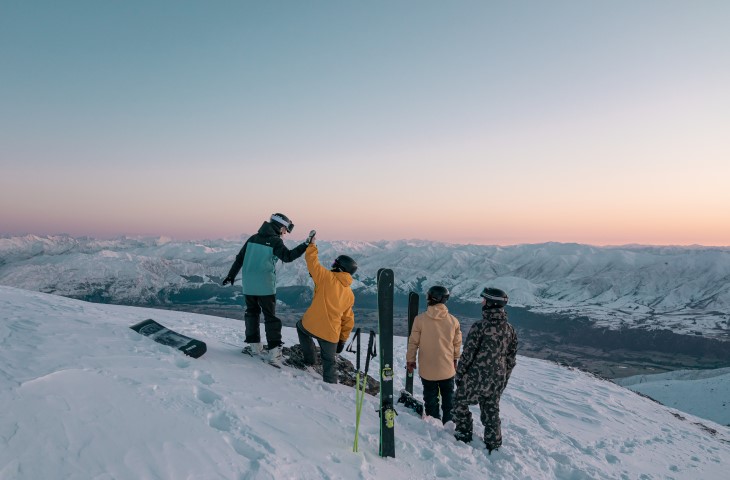
The impact of snow injuries
Snow sports injuries can have a significant impact beyond the ski field. When someone is seriously injured and unable to work, ACC pays up to 80 per cent of their income as weekly compensation while they recover.
Last year, we paid 73,630 days of weekly compensation for snow sports injuries, at a cost of $10.6 million.
Ski fields and the industry that surrounds them bring significant economic benefit to New Zealand. In 2019, there were 1.6 million visitors to our ski fields, with almost one million coming from overseas. The total expenditure by skiing holidaymakers was more than $430 million.
Ski Area Association of New Zealand (SAANZ) chair Toby Arnott says everyone benefits if people can avoid injury and keep hitting the slopes.
“New Zealand has some of the world’s most beautiful places to ski and snowboard,” he says.
“Ski fields all around New Zealand have excellent steps in place to ensure people are safe – we’re keen to help as many people as possible to experience everything our fields have to offer.”
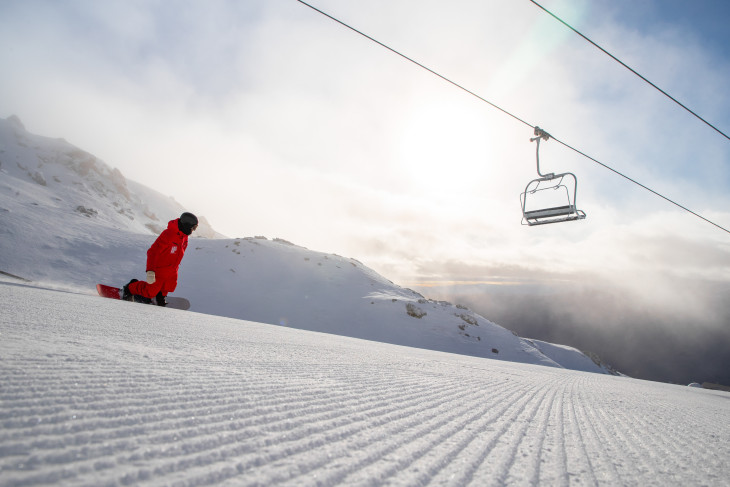
Coming home safe to do it all again
James says even experienced skiers and snowboarders can be caught out by fatigue, changing weather, crowded slopes or pushing too hard too early.
“If you’re hitting the slopes, complete a good dynamic warm-up before you do your first run. That will get you ready for the fun day ahead,” he says.
“You don’t want to get injured on one of your first trips to the mountain and spend months on the couch while your mates are heading away every weekend.”
He says it’s important skiers and snowboarders prepare before they get to the mountain: check the conditions, choose runs that match their ability and take breaks during the day.
“Fatigue can affect your balance, reaction time and decision making, especially later in the afternoon,” he says.
James says the goal is not to stop people enjoying the mountains, but to help them make smart choices so they can come home safely and keep coming back throughout winter.
“Know your limits, look after your body and ease into the season,” he says. “A good day on the snow is one you can enjoy from the first run to the last – and then do it all again next weekend.”
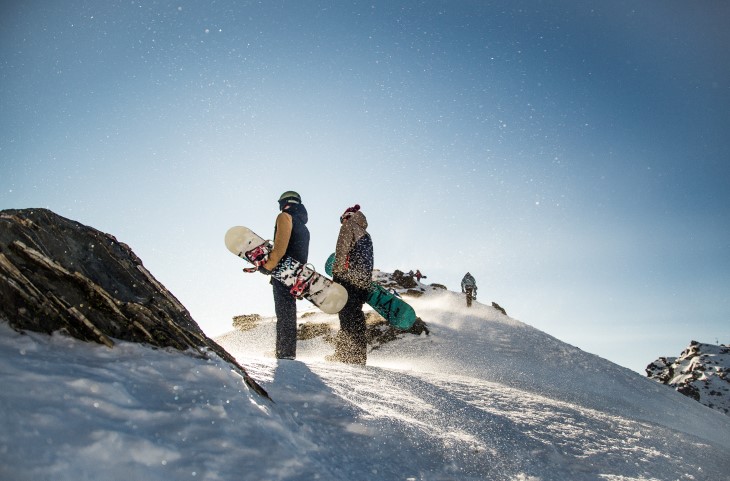
Snow sport injuries by the numbers
- ACC accepted 8,309 skiing injury claims in 2025, at a cost of $32 million to help people recover. We also accepted 5,425 snowboarding injury claims, which cost $14 million
- The leading regions for skiing and snowboarding injuries in 2025 were Otago (7,168), Canterbury (2,384), Auckland (1,429) and Manawatu/Wanganui (1,070)
- For skiers, knees were the most injured body part, with 2,345 claims, followed by shoulders with 1,058 claims
- For snowboarders, shoulders were most injured, with 876 claims, followed by hands/wrists with 628 claims and knees with 619 claims
- A total of 74 per cent of snow sports injuries were soft-tissue injuries while 16 per cent were people sustaining a fracture or dislocation
- The leading age group for skiing injuries in 2025 was 20-24 (863 claims) and the leading age group for snowboarding injuries in 2025 was 25-29 (961)
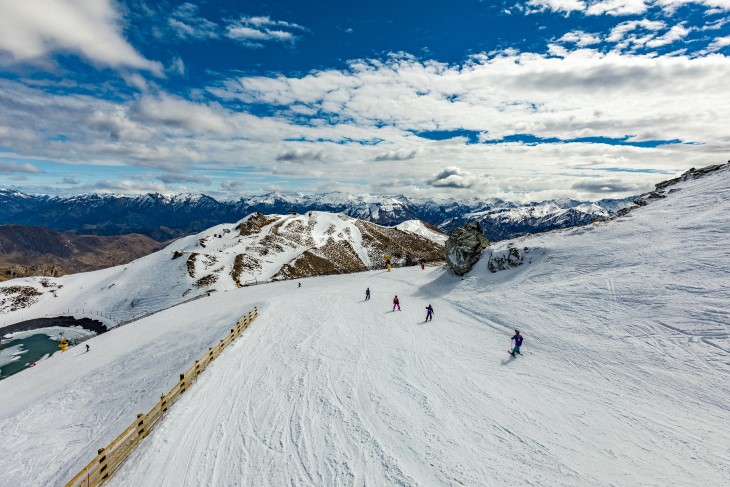
Tips for staying safe on the snow
- Know and follow the snow safety code
- Know your limits and choose the right run
- Protect yourself and wear the right gear (always wear a helmet)
- Find your space and leave room for others
- Check the conditions and be prepared for anything because things can change quickly
- Take it easy on the first few runs, then gradually speed things up/go a bit harder
- Pay attention to your energy levels – have a break, a drink and some kai if you’re getting tired
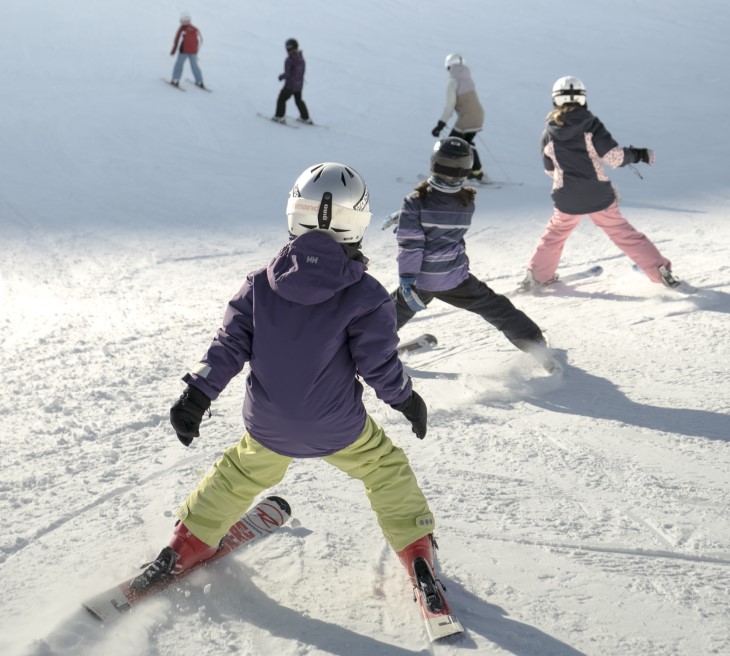
The Snow Safety Code
The Snow Safety Code is delivered by the Ski Areas Association of New Zealand and us.
Know your limits
- Ride to your ability, control your speed
- Be aware of the conditions
- Take a lesson
Find your space
- Stop where you can be seen
- Give others room
- Look ahead
Protect yourself
- Obey all signs and closures
- Tired? Take a rest
- Wear a helmet