
New initiative to help prevent child sexual abuse
We’re proud to launch Little Matters, an initiative which encourages small, everyday actions to help keep our kids free from sexual abuse and support healthy relationships.





In New Zealand, one in three women and one in eight men will be sexually assaulted in their lifetime. One in five young people (15 to 19-year-olds) will have been affected so far in their lives.
And this is even higher for taitamāhine Māori, tāngata whaikaha, and takatāpui those in rainbow communities.
That’s why ACC is supporting a new prevention initiative called Little Matters.
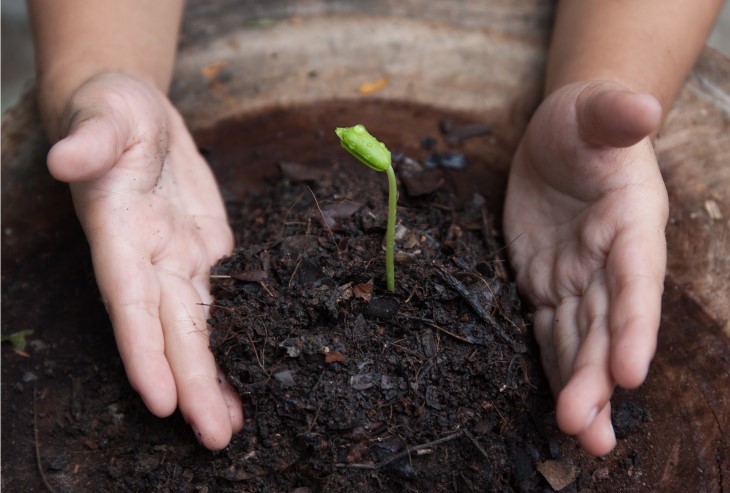
Little Matters encourages small actions that help keep our kids safer now and will also support healthier relationships into the future.
Examples include Little Matter #1: No Secrets (because secrecy is often used to trap kids into silence), Little Matter # 2: Real Words (using correct words for body parts without embarrassment or shame) and Little Matter #10: Little & Often, which is about everyday check-ins, rather than one big formal sit-down or talk.
The initiative is part of ACC’s broader sexual violence prevention work.
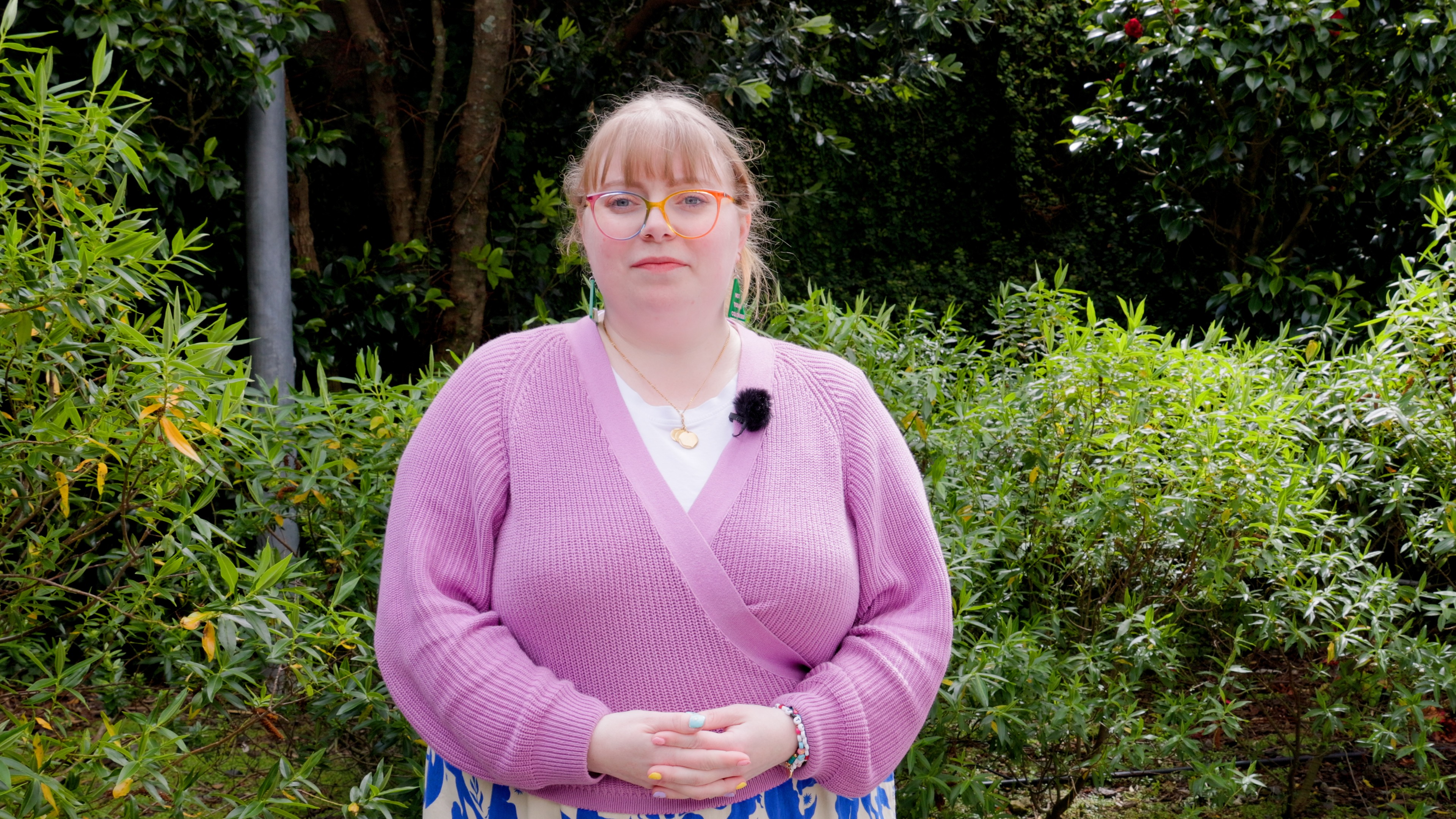
“Sexual violence disproportionately impacts children and young people with long-lasting impacts to their wellbeing,” says ACC Head of Injury Prevention Renee Graham.
Small actions to build clarity and respect
Last year, ACC received over 14,000 new sensitive claims and supported over 40,000 New Zealanders who have experienced sexual abuse or assault. That number has increased by 30 per cent over the past five years.
ACC provides support for anyone who has experienced sexual abuse or assault in New Zealand through the Sensitive Claims Service.
“We also have a responsibility to help prevent injuries and harm in the first place,” Renee says.
“This takes time, but it’s one of the few ways to reduce the scale of harm in the future, alongside providing ongoing support for survivors now.”
Little Matters helps families take small, doable everyday actions that help build clarity, respect and connection.
Many whānau already do some of these things. Little Matters gives them a shared name, and offers ideas people can try, adapt or add to what they already do.
‘You don’t need to be a parent to keep kids safer’
Renee says preventing child sexual abuse isn’t only a family issue, the whole community has a role to play.
“You don’t need to be a parent to help keep kids safer. You can support the families around you by talking about the Little Matters and backing people who are trying to do the right thing,” she says.
“Each action may feel small, but together they make a big difference: safer kids now, kinder adults tomorrow, and more connected, thriving families.”
Little Matters has been developed with parents and caregivers, alongside experts in sexual violence prevention, and in collaboration with sector partners.
It was tested with diverse parents and caregivers across New Zealand to make sure it resonates, and motivates conversations and action to help prevent child sexual abuse.
Join the kōrero on Instagram and Facebook: @LittleMattersNZ
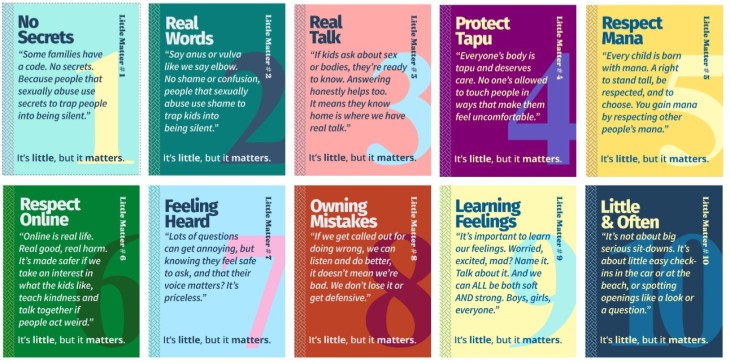
The 10 Little Matters
No Secrets: Some families have a code. No secrets. Because people who sexually abuse use secrets to trap people into being silent.
Real Words: Say anus or vulva like we say elbow. No shame or confusion. People that sexually abuse use shame to trap kids into being silent.
Real Talk: If kids are asking, it’s a sign they’re ready to know something. They can learn in the playground, from a song on the radio...or from home. When we give simple, honest answers, age appropriate of course, it builds trust and shows them home is where we have real talk.
Protect Tapu: Everyone’s body is tapu and deserves care. No one’s allowed to touch people in ways that make them feel uncomfortable.
Respect Mana: Every child is born with mana. A right to stand tall, be respected, and to choose. You gain mana by respecting other people’s mana.
Respect Online: Online is real life, with real good and real harm. So, take an interest in what the kids like, help them to treat people kindly, and if people act weird, talk about it together. That’s how we make it safer.
Feeling Heard: Kids can ask heaps of questions, it can get annoying. But knowing they feel safe to ask, and that their voice matters? It’s priceless.
Owning Mistakes: We can all do wrong. If we get called out on it, we can listen and do better. We don’t need to lose it or get defensive.
Learning Feelings: It’s important to learn our feelings. Worried, excited, mad? Name it. Talk about it. Because when we can name our feelings, it’s easier to tell when something feels wrong. And we can all be both soft and strong. Boys, girls, everyone. No one needs to bottle things up.
Little & Often: It’s not about big serious sit-downs with the kids. It’s about the little everyday stuff. It’s listening to them. It’s about spotting those openings, like a funny look or a question when they see something that upsets them or makes them curious. And, it’s about casual check-ins in the car, at the beach or going for a walk.
Where to access support?
If this topic brings anything up for you, support is available.
If you’re in immediate danger, call 111.
You can contact Safe to Talk on 0800 044 334, text 4334, or webchat.
They’ll listen, support you, and connect you to local services if you want.