
Pace yourself: Top tips for farmers this summer
Stop and ‘have a hmmm’ is the message to anyone working on a farm or visiting a farm this summer.





For many farmers, the extra daylight hours over the summer months mean more time to get even more jobs done.
But the extra workload does not come without a cost.
According to ACC data, there’s a spike in injuries that occur on farms over the summer.
In 2024, ACC received over 23,000 claims for injuries on farms. The cost to help people recover was around $120 million.
The highest number of claims ACC received for injuries that happened on a farm was in January, followed by March.
ACC, together with Safer Farms, is encouraging farmers to stop and think before getting stuck in this summer – whether they’re working or around the home.
Pace yourself on the farm
During the summer, people’s fatigue levels can increase due to the long days and warmer weather, ACC Workplace Injury Prevention Manager Paula Wood says.
It’s important farmers are aware of fatigue and implementing practical safety practices to avoid it, she says.
“Research shows exhaustion, lack of sleep and being unable to take a break all add to the risks that a farmer or farm worker will have an accident.
“This is something we want farmers to keep in mind through the summer – ‘have a hmmm’ before moving on to the next job.
“When you’re tired and rundown it effects your decision-making, so take a break when you need it – you don’t have to fit a week’s worth of work into one day, know when to call it a day.”
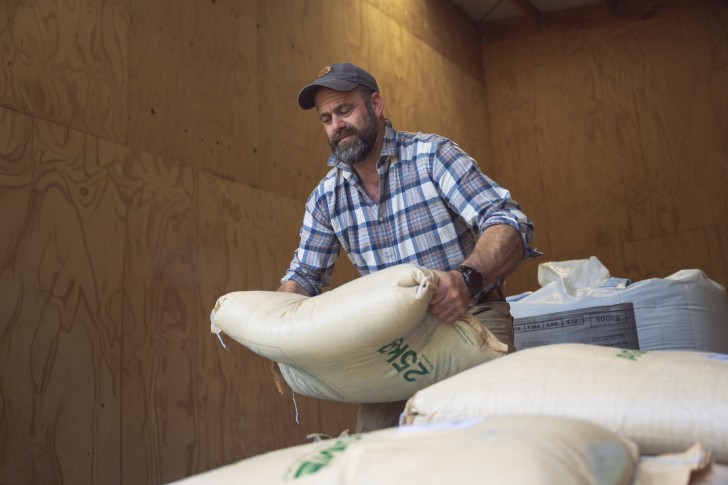
Common causes of injuries are from lifting and carrying things and twisting, as well as falls. Around a third of all injury claims that occur on farms are caused by falls.
See it, sort it
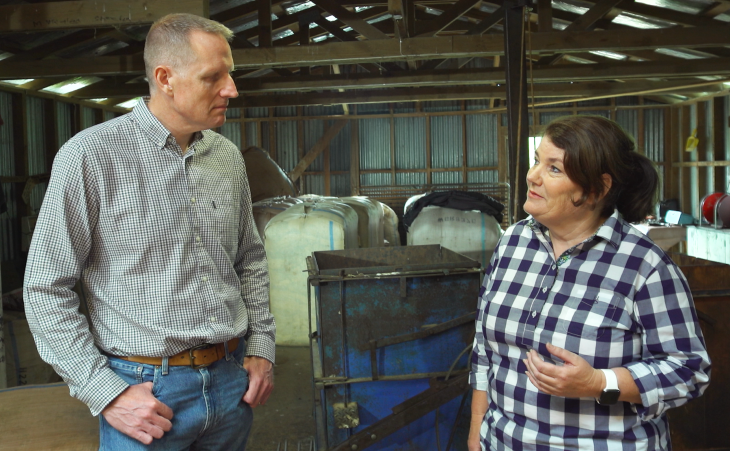
Lindy Nelson, farmer and chair of Safer Farms, says at this time of year there’s also typically a few more people visiting farms, whether that’s children home on school holidays or other family or friends coming to visit, and often they can be unfamiliar with farms.
Have clear signage up and make sure everyone is aware of the hazards present before allowing them to come onto farm, she says.
“It’s important to be aware of who is on your property at all times, and if you see a potential hazard sort it out straight away – whether that’s marking it clearly for everyone to see, or, if something is broken, fixing it as soon as you notice it.
“If everyone is aware of the hazards, it’s easier to keep everyone safe, so everyone can enjoy their summer.”
There’s always going to be inherent risks in an industry like agriculture that involves operating heavy machinery and handling livestock, Paula says.
“But if we stop and ‘have a hmmm’, we can help to mitigate those risks and get everyone through summer safely.”
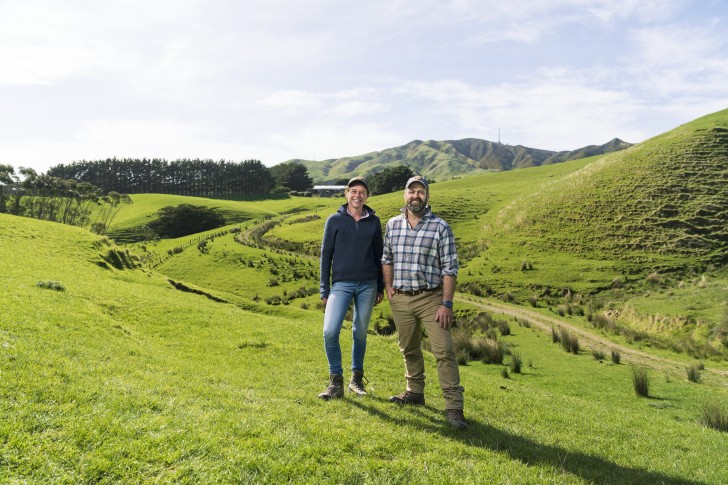
ACC and Safer Farm’s tips for staying safe on farm
- Look after your back – whether it's handling livestock, fencing gear or even dog food, it's easy to strain your back. Remember to bend at the knees, avoid straining your back and shoulders, and know your limits.
- Pace yourself – rushing can lead to accidents. Always wear the right footwear – lace-up boots work better than gumboots for traction. Avoid shortcuts and take the safer route, even if it takes a bit longer. Keep an eye on the conditions of your farm and change plans if you need to.
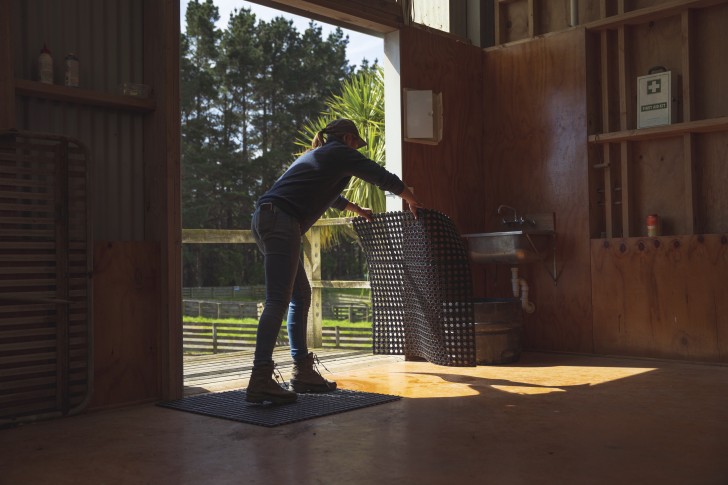
- See it, sort it – whether it's a slippery workshop floor, a pothole in the farm track or a rotten rail in a fence, take action sooner rather than later. Lay down non-slip mats, fix broken things as soon as you notice them or make sure hazards are clearly marked.
- Have a hmmm at home – most home injuries happen from slips, trips and falls, or from lifting and moving things the wrong way. As farmers live where they work, have a hmmm at home too.