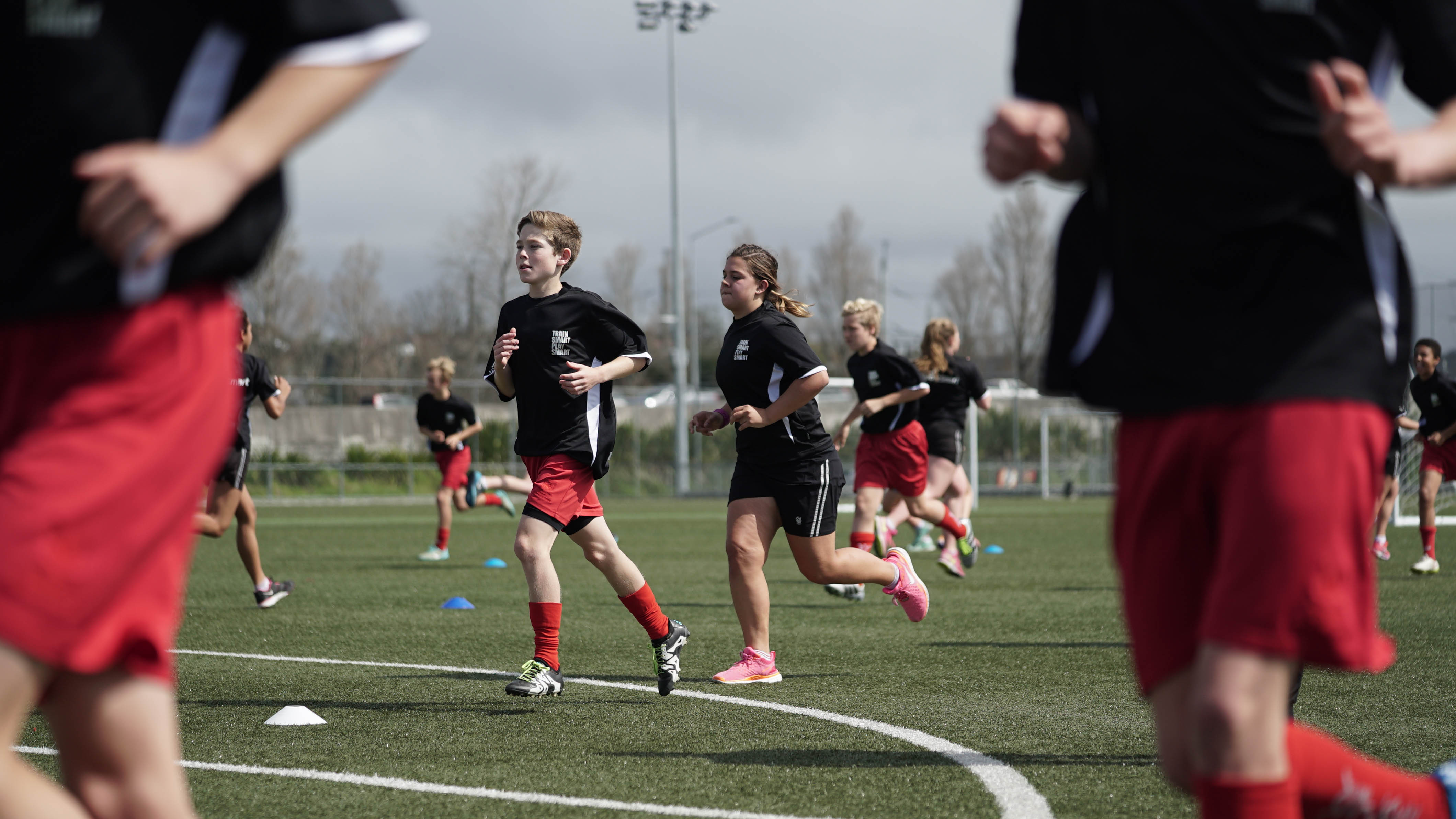






Poll: Have you been exercising to prepare for the season?
Agree with your thinking
Heading up the slopes this winter? Here are some tips to make sure you stay right side up on the mountain.
In 2009 Tim Young went on a skiing trip to Canada with some friends. He lost control coming up to a jump.
Through his accident, Tim became a tetraplegic. But he didn’t let that stop him – with goals, a growth mindset, and strong self-belief, he met those challenges head on.
We worked with Tim through his recovery to help him identify what skills would help him navigate the best way forward.
Last year, Tim was a finalist at the Attitude Awards. He was recognised for his efforts in educational technology, through designing the educational video game Rocket Island. He’s also running for the Hamilton City Council this year.
We can’t blame Tim, or anyone, for being eager to clamber up mountains in winter. Who wouldn’t want to make the most of the views and freshly-powdered slopes?
Last year there were 18,000 active snow injury claims, at a cost of $30 million. It marked a new record in snow injuries.
2018 was a bumper year for New Zealand ski areas, with a 17% increase in lift pass sales over 2017.
The cost of active snow sports claims also increased 19% over the same period, while the volume of new injury claims grew 24% from 2017 to 2018.
August is the busiest month of the season. It’s also the most likely month to be injured, with almost 5,000 injuries in 2018.
With the nature of skiing there’s no prizes for guessing the knee is most likely body part to be injured. There were 3,450 knee-related injury claims last year alone.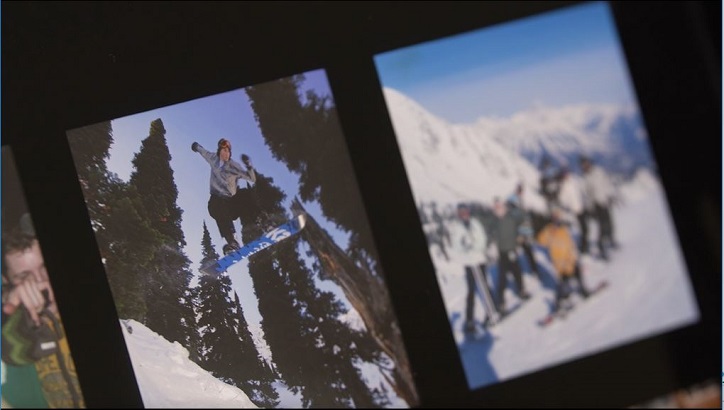
Agree with your thinking
We’ve sifted through our data to find how best to stay enjoying the slopes and out of the basecamp clinic.
Here are four ideas to maximise your season pass:
If you take a big knock to your body or head, it’s a good idea to stop riding and visit the mountain’s medical clinic. It’s better to be cleared to ride than to risk continuing with a concussion.
Good luck and enjoy the season!