
Thirty seconds to disaster: Boatie backs new lifejackets bill
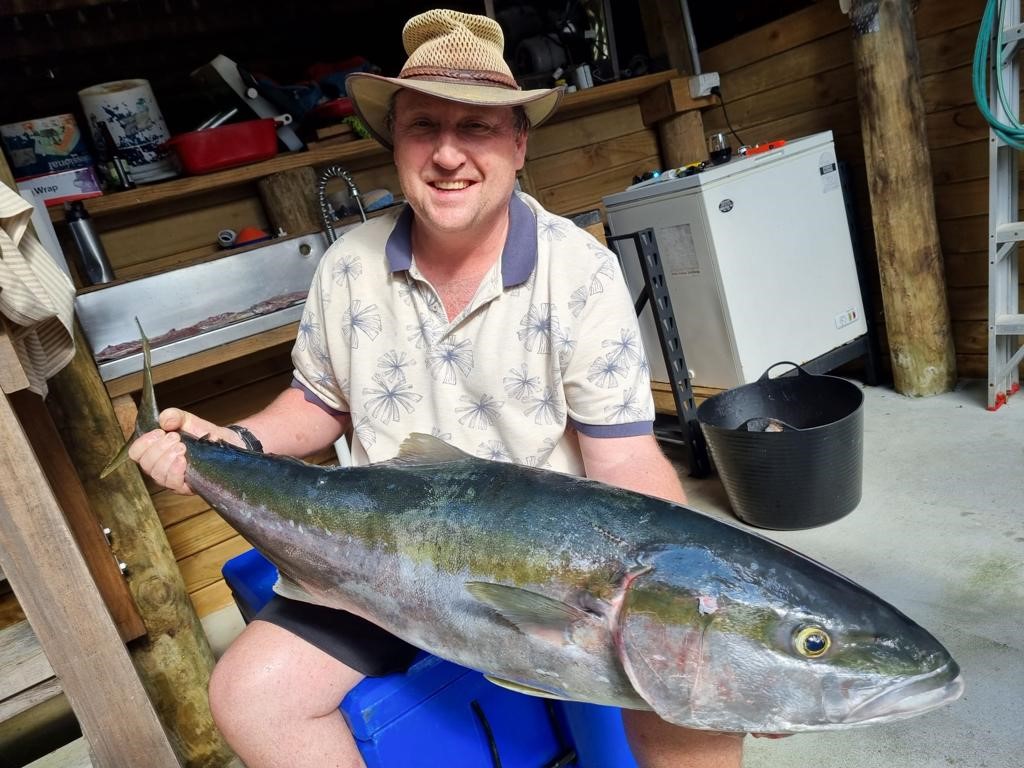
Thirty seconds was all it took for Nick du Preez to go from a routine fishing trip to fighting for his life in the Manukau Harbour. He says his lifejacket is the reason he made it home.





Thirty seconds was all it took for Nick du Preez to go from a routine fishing trip to fighting for his life in the Manukau Harbour. He says his lifejacket is the reason he made it home.
The Lifejackets on Recreational Craft Amendment Bill came into effect from 9 October, making it compulsory for everyone on board a recreational vessel six metres and under to wear a lifejacket.
Nick is among many water users welcoming the change.
“The lifejacket saved my life – there’s no ifs or maybes, it just did,” he says.
“I’m absolutely in favour of the bill – I think it could go even further and include larger recreational vessels – all trailer boats. There’s no excuse not to wear a lifejacket and you can’t tell me they don’t work.”
Water Safety New Zealand figures show there were 441 craft-related drownings between 2000 and 2025. Over 330 of these drownings (around 75%) involved people not wearing lifejackets.
Nick is an experienced boatie with many hours on the water and education courses under his belt. However, accidents happen. He has first-hand experience of the value of wearing a life jacket. When his boat capsized in 2024, he and a mate were left stranded in the water, desperately clinging to the upturned hull of the boat.
Conditions were relatively calm as they approached the Manukau bar and they had watched two boats cross safely ahead of them – even made radio contact to check the conditions on the bar.
But when the bow of their boat dug into a gap between the waves, another wave struck from behind and overturned the boat.
Nick was briefly stuck underneath the hull before his mate pulled him out, and he couldn’t believe how quickly they had ended up in the water.
“From the minute I said to my mate, ‘Oh, shoot’, to the moment we were clinging to the upside-down hull was probably 30 seconds, if that,” he says.
“You just don’t have time to do anything.”
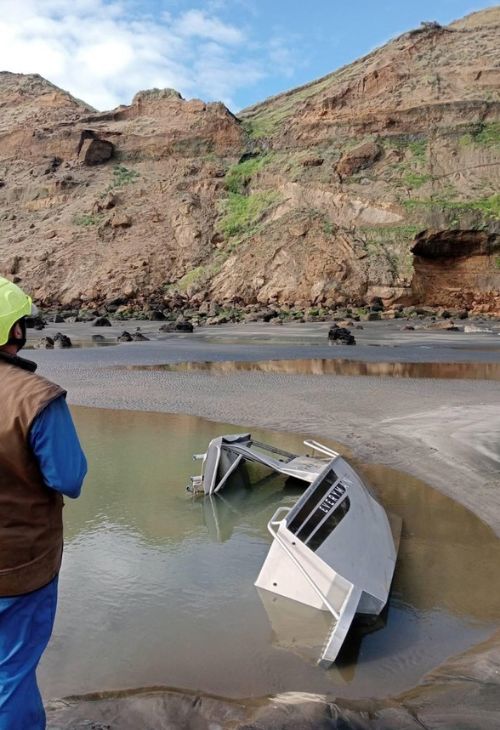
Nick's capsized boat
Nick had an EPIRB (emergency position-indicating radio beacon) mounted on the dashboard next to the steering wheel and a mobile phone lying on the dash – but had no time to grab these. With no way to call for help, the pair stayed with the capsized boat and had to rely on their bar crossing protocols (filing a bar crossing report with Coastguard) for help.
Nick estimates they were in the water for at least half an hour before a jet skier spotted them whom reacted to Coastguards mayday call and took his friend back to shore, while Nick was winched to safety by the Westpac rescue helicopter that arrived on the scene a few minutes later.
“We knew we’d done everything right by filing a bar crossing reports, wearing life jackets and staying with the hull – to see a boat is far easier than a person, even if it’s upside down,” he says. “But you start to doubt yourself and wonder if anyone is coming to get you.”
Nick has no doubt wearing a lifejacket helped him live to tell the tale.
“Yes, we were able to stay with the boat but, at one point, I let go and I really struggled to get back. What would have happened if I wasn’t able to swim back to the hull? You’re just gone if you don’t have a lifejacket on.”
Relieved to be rescued, the gravity of what he’d been through sunk in when he was reunited with his wife that evening.
“She was expecting us home at a certain time and got worried when we didn’t show up,” he says.
“She took the dogs for a walk and said she was thinking to herself, ‘I hope I’m not a widow tonight.’ When I heard that, it really hit home how bad the outcome could have been.”
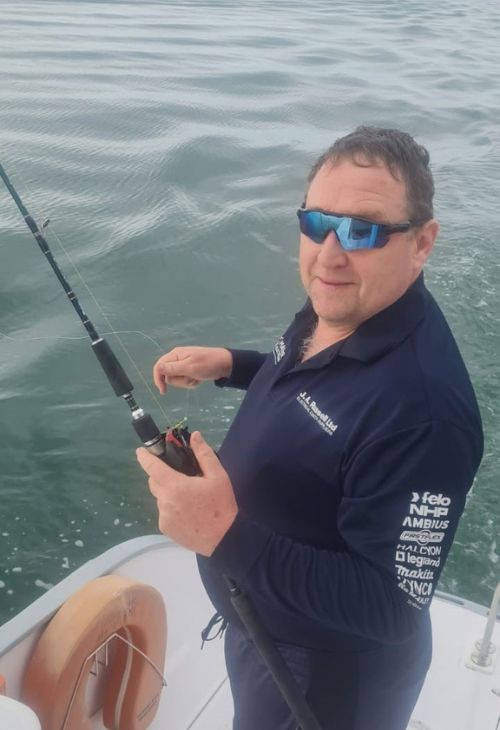
Nick’s close call is a reminder of how easy it can be for people to find themselves in trouble on the water. On average each year, 17 people die in recreational craft activities in New Zealand, while ACC receives more than 4,100 claims for water-related recreational craft injuries.
James Whitaker, injury prevention leader for ACC, welcomes the passing of the lifejackets bill and is urging all New Zealanders to take responsibility for their safety on the water.
“A drowning is a devastating event for any whānau and community, and our hearts go out to every family who’s lost a loved one,” he says.
“Conditions can change in seconds. Wear your lifejacket, check the forecast and carry two waterproof ways to call for help, one attached to you. Tell someone where you’re going and when you’ll be back.
“We want people to enjoy the water this summer, but we all need to be well informed about the risks and understand what can go wrong, so we come home safe to our loved ones.”
Since the capsize, Nick is now wearing a PLB ( personal locator beacon) attached to his lifejacket, ensuring he can call for help even if he becomes separated from his boat.
“There’s no reason not to wear a lifejacket,” Nick says. “They work. They don’t stop you from being able to do anything. They save lives.”
The Boating Safety Code
- Wear your lifejacket
- Take two waterproof ways to call for help
- Check the marine weather forecast
- Avoid alcohol
- Be a responsible skipper