
A champion’s key to reducing harm on the farm
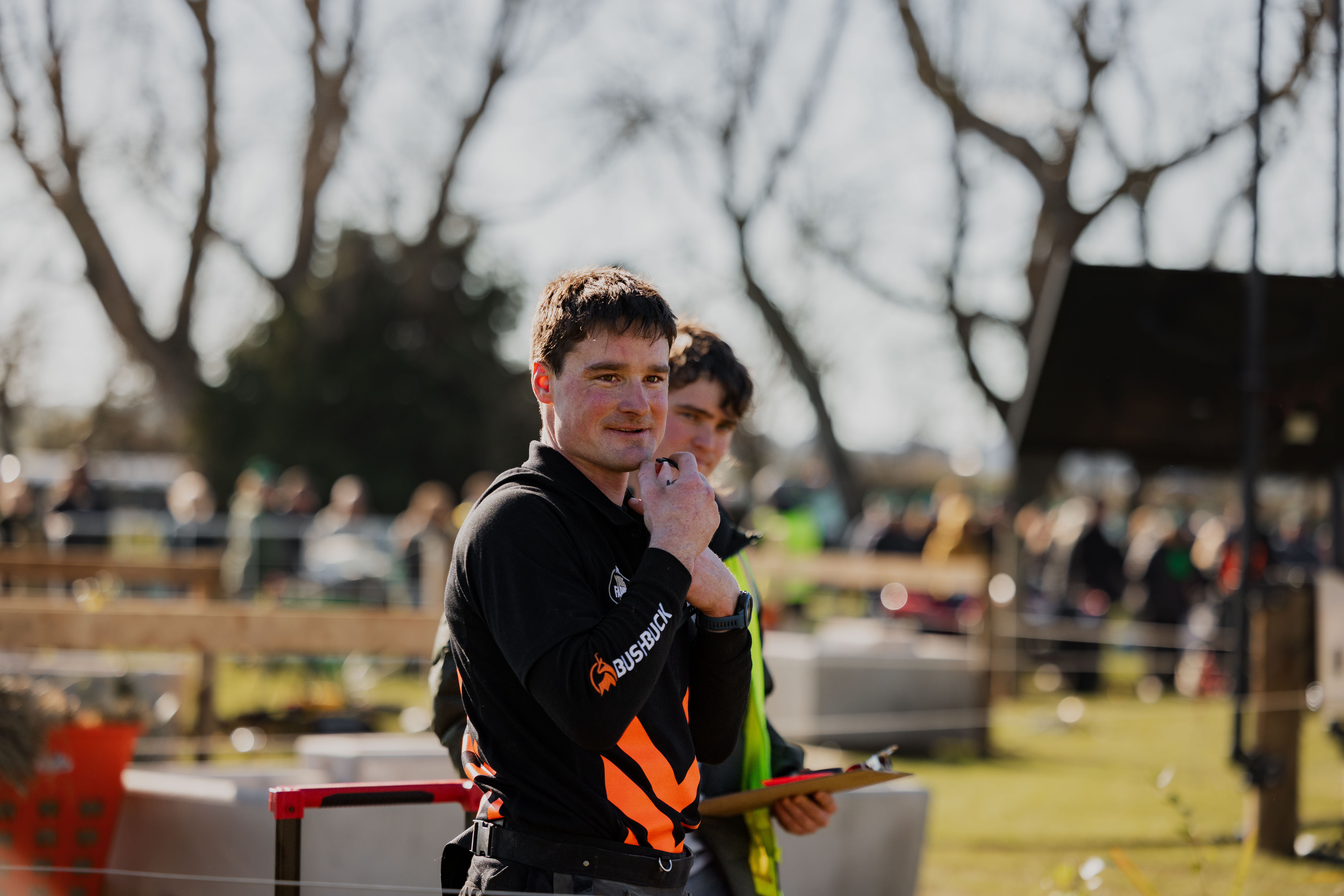
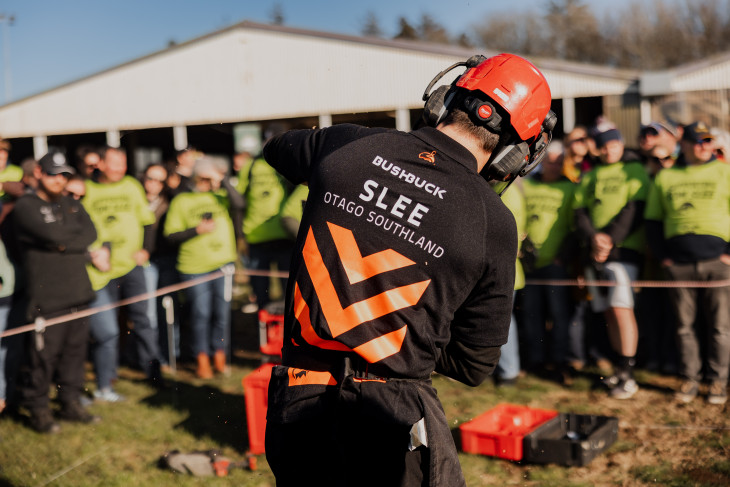
Otago Southland dairy farmer Tom Slee has just taken out the top spot at this year’s FMG Young Farmer of the Year competition. The 29 year old contract milker from Tuatapere shares how he keeps himself and his staff safe and well on the farm.





Every dairy farmer knows we’re heading into one of the busiest times of the year.
We milk 1,100 cows through a 70-bail rotary on a 420-hectare dairy farm in Southland. We manage that workload across me and four full-time staff.
"For me, it’s not just about getting the work done — it's about making sure everyone gets home safe at the end of the day."
And with the spring calving underway, this message is even more important for dairy farmers to hear.
The days are long, the workload ramps up, and it's easy to fall into the trap of just pushing through.
But that's often when things go wrong.
The reality of injury risk for farmers
Agriculture is one of New Zealand’s highest risk sectors when it comes to work-related harm.
ACC accepted more than 17,000 agriculture work-related injury claims last year, and almost one third of those were from dairy farmers.
A fair amount of these injuries happen in August and September.
Early starts are a part of the job, but when you're tired, stressed, and running low on sleep, your judgement isn't as sharp as it should be. We run a five and two roster most of the year and a six and one during calving. All staff get two, one-hour breaks during the day. Breaks are a pretty important part of managing fatigue, so people come back feeling refreshed and ready to do tasks safely.
The pressures of farming don't stop when you’re off the clock either. Research shows that 58 percent of injured farmers linked their injury to stress associated with farm work.
Things like exhaustion, lack of sleep, financial pressure, bad weather, being away from family and mates, or feeling like you can't take a break all add up. Before you know it, you're not thinking as clearly as you normally would.
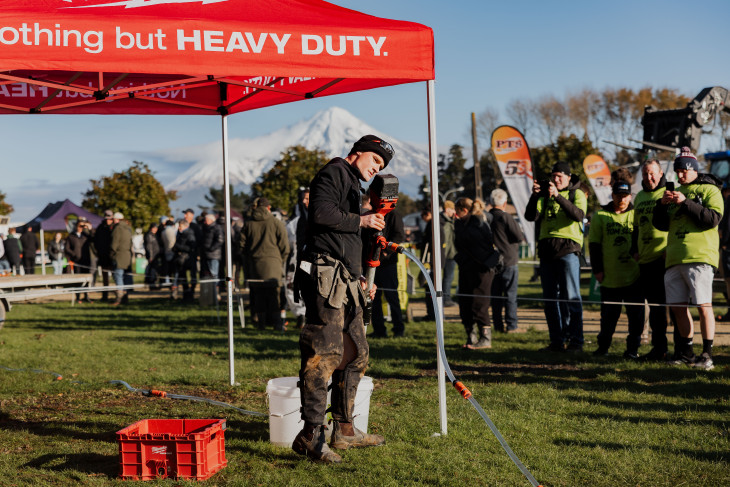
"Simple stuff makes a difference."
One thing I've learnt is that checking in with your team matters. I schedule one-on-one chats with my staff and check in weekly. On their rostered days off, I try to encourage them to do something they enjoy, whether that’s visiting family or friends, going down to the local rugby club, surfing, or attending Young Farmers.
It’s important they’re looking after themselves, going to appointments, and keeping on top of things like the grocery shop. It sets them up to be in the right head space when they come back to work.
Good communication is another big one. We have radios, WhatsApp, whiteboards, and we also use Resolution — a farm management software tool used to record, store and share farm information. Everyone knows what they’re doing and where they’re supposed to be.
The reality is that we are working with cows and bulls and driving motorbikes and tractors every day. But, where we can, we try to mitigate those risks.
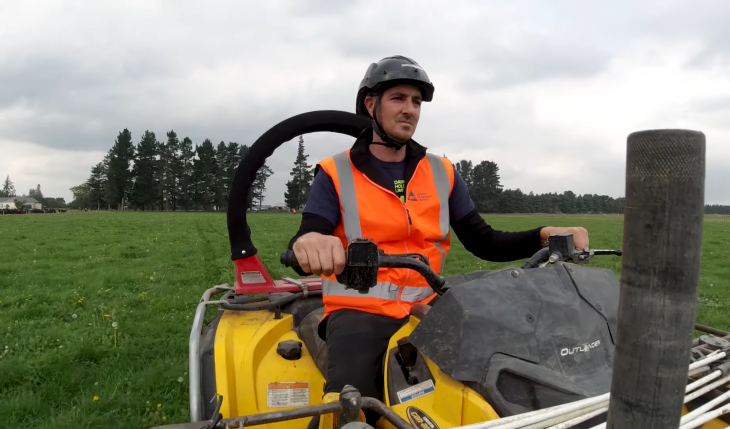
Never turning your back on livestock. Keeping gear serviced. Making sure quad bikes are fitted with roll bars. Planning harder jobs for daylight hours and keeping things simple when it's dark or first thing in the morning.
We try to mix tasks up throughout the day so that no one is doing any one thing for extended periods. No one milks more than 500 cows in one go. It’s a long time on your feet and due to the repetitive nature of milking, it can lead to overuse type injuries to your wrist and back.
We also try to plan ahead to ensure we’re organised enough that no one is ever having to rush to get a job done.
I remind my staff to slow down and take their time completing tasks. If you try and cut corners to save a bit of time, that’s often when an injury can happen.
We also have a bit of a buddy system. We have two people rostered every day. The rule is that they go home at the same time and that way we always know everyone has got home safe.
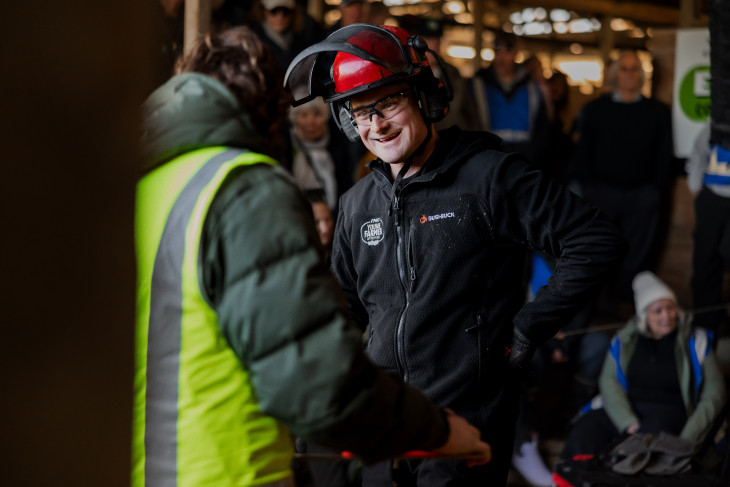
“No job is so urgent that it's worth someone getting hurt.”
I’ve been fortunate not to have to manage too many injuries myself or with my staff on farm.
When I was 18, I broke my neck in a car accident and ended up off work for a while.
I was working on a sheep and beef farm at the time and the most difficult part about it for me was having to sit at home on the couch. When I started getting back into work, it wasn't straight back into full days. At first, I spent time just being around the yards and with the dogs, but even that was massive for me mentally – getting some fresh air in the lungs, the comradery of being back with the team, and getting moving again.
If I have someone injured on the farm, I follow a similar plan. I keep them connected and ease them back into work when they’re ready and it’s safe to do so.
At the end of the day, farming will always have risks. This calving season, take the break, have the conversation, slow down when you need to and look out for everyone. We're not just keeping ourselves safe today — we're helping the next generation build habits and skills that will keep them safe throughout their careers.
Tips for staying safe on the farm
Look after your back
Whether it's handling livestock, fencing gear, or even dog food, it's easy to strain your back. Remember to bend at the knees, avoid straining your back and shoulders, and know your limits. There’s no need to be a hero - one bag at a time is fine! Many hands make light work, and you’ve got gear around the farm that can do the heavy lifting for you too.
Pace yourself
Rushing can lead to accidents. Always wear the right footwear - lace-up boots work better than gumboots for traction. Avoid shortcuts and take the safer route, even if it takes a bit longer. Keep an eye on the conditions of your farm and change plans if you need to.
See it, sort it
Whether it's a slippery workshop floor, a pothole in the farm track, or a rotten rail in a fence, take action sooner rather than later. Lay down non-slip mats, fix broken things as soon as you notice them, or make sure hazards are clearly marked.
Have a hmmm at home
Most home injuries happen from slips, trips and falls, or from lifting and moving things the wrong way. As us farmers live where we work, ‘have a hmmm’ at home too.
Resources
ACC invests in initiatives that tackle the drivers of harm in the agricultural sector. Key initiatives include:
- Safer Farms - which targets farm systems and working environments.
Visit | farmwithoutharm.org.nz
For calving season, Safer Farms has resources to help farmers reduce the risk of injuring themselves when handling livestock and carrying out heavy lifting tasks. - Farmstrong - which helps farmers manage pressure, stay connected and look after their wellbeing to prevent injuries and keep people farming safely.
Visit | farmstrong.co.nz
Claims data
New claims
Active costs
Work-related agriculture injury claims data
| Year | New claims | Active claim costs |
|---|---|---|
| 2020 | 25,873 | $94.5 million |
| 2021 | 24,416 | $98.2 million |
| 2022 | 21,507 | $101.3 million |
| 2023 | 20,624 | $113.1 million |
| 2024 | 18,449 | $127.2 million |
| 2025 | 17,322 | $125.1 million |
ACC guides and resources
If you’re injured or supporting someone with their recovery after an accident, we have a range of resources available to help you get back to what matters sooner. Learn more.