
Betty-Anne’s story: From the stage to the waka
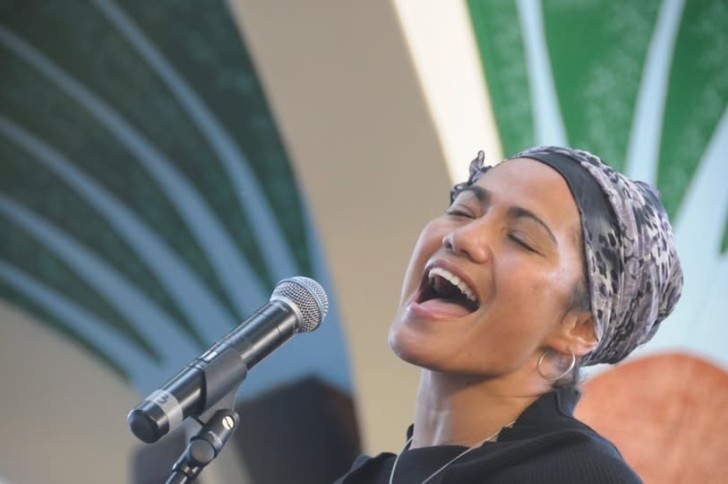
Music icon Betty-Anne Hall is best known as the former lead singer of legendary Kiwi band Ardijah. But she’s also a keen waka ama paddler and has never missed the ACC-supported Waka Ama Sprint Nationals.





There are two passions in Betty-Anne Hall’s life – waka ama and music.
She’s always been a musician and is the former lead singer of legendary Kiwi band Ardijah, whose success made her one of the most respected and iconic vocalists in the country.
Around 20 years ago, she was introduced to what was to become her second passion.
She was watching her daughter paddle when some wahine approached her and asked if she wanted to give it a go.
“I went from knowing nothing about exercise and the ocean to falling in love with it,” Betty-Anne says.
“You have to understand I’m a musician – and musicians often don’t get home until like 3am.
“At the time, I was totally focused on my music and my family. But at 7am on a Sunday morning I made the effort to go.
“The first day we capsized but it was the beginning of a wonderful journey.”
Care and values at the heart of waka ama
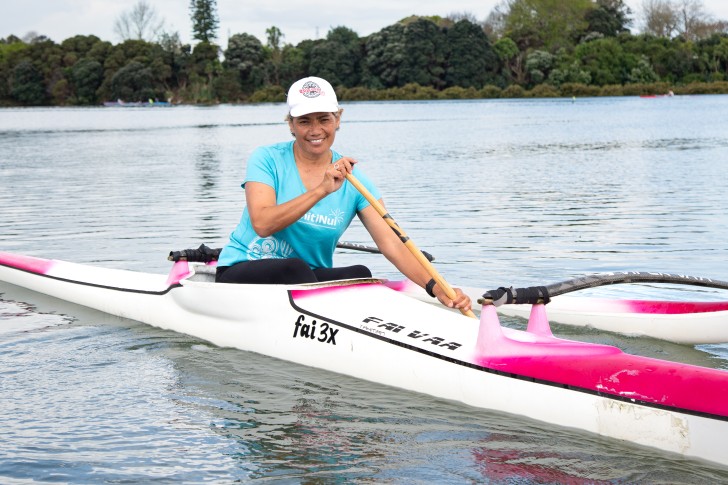
Betty-Anne paddles for Te Paerangi Waka Ama Club in Auckland, the first club she was introduced to.
“We’re a small club, but I just love it,” she says.
“The people at the club showed and guided me. They really cared, and they were there for me.
“Members come and go but the values they install are maintained. We hold steadfast to those values.”
Betty-Anne has paddled in other clubs to learn and grow her knowledge and skills but she always returns to her original club.
“It has my heart. I come back and give my time to the club that gave so much to me,” she says.
“Waka ama has helped me through many parts of my life and, like my music, it’s been another family to me.”
Another similarity to her music career is the hard work and dedication waka ama requires.
She says repetition is important, both as a paddler and a musician.
“It’s about consistency – doing something again and again until you get it right,” she explains.
“If you love something and are passionate about it, you still have to put in the hard yards. And you have to look after yourself, hydrate and rest to be able to perform at your best.”
‘I’ve never missed a nationals’
Betty-Anne is recovering from a shoulder injury at the moment but is still able to be on the water and paddle pain-free.
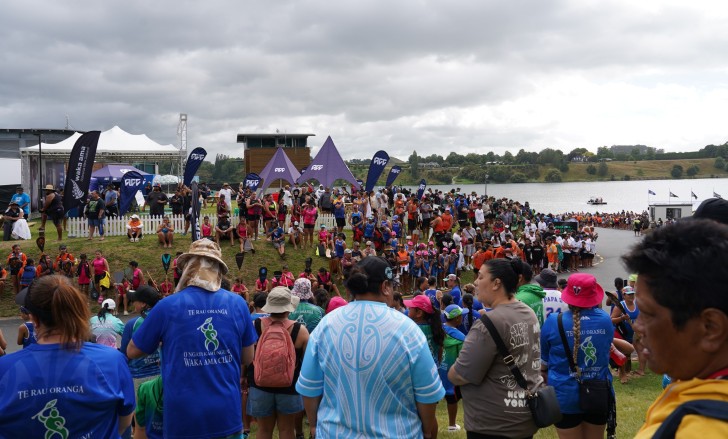
Supported by ACC, this year’s Waka Ama Sprint Nationals are being held at Lake Karāpiro, near Cambridge, from 11-17 January.
Betty-Anne and the other wahine in her waka have been training consistently.
“They’re all wonderful women from all walks of life,” she says.
“We’re all different but our common thread is a love of the water.”
Betty-Anne hasn’t missed a Sprint Nationals since she started paddling.
“It would be bizarre if I did miss one,” she says.
“It’s genuinely uplifting, I go every year because I love that feeling, that connectedness, that sense of belonging.
“Waka ama is physically a part of our wellbeing, but also spiritually and socially, it takes me a long time to walk anywhere at Sprint Nationals because I’m busy saying hi and giving hugs to everyone.”
Morning waka sessions provide inspiration
Now 60, Betty-Anne says both music and waka encompass all generations.
“It’s so inspiring and wonderful to see families and communities come together at Sprint Nationals and support each other.
“Everyone matters and I’ve built many lifelong relationships through the sport and this event.”
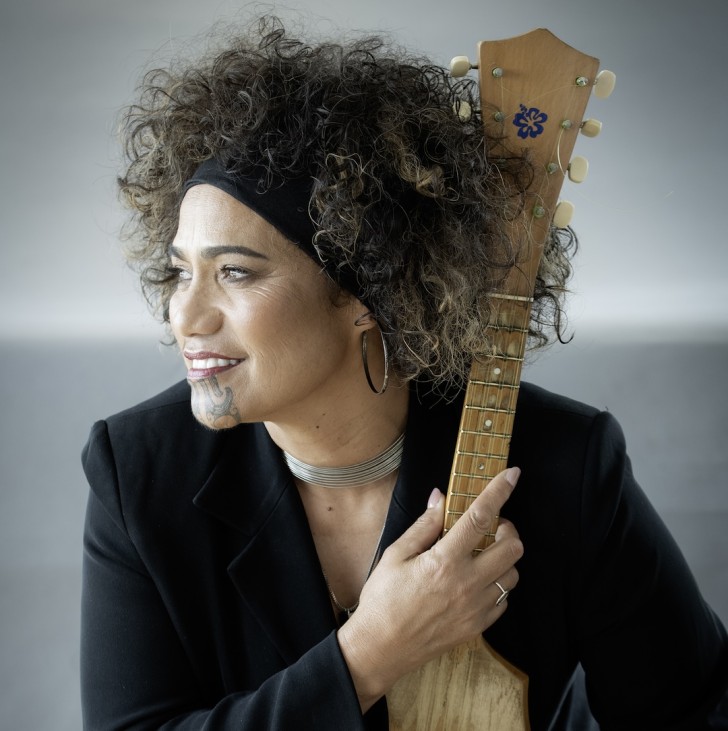
Soon after the Sprint Nationals, another milestone is in store for Betty-Anne next month with the release of her debut solo album, titled Slow Burn.
“This album is 40 years in the making. Every single lyric and note carries a piece of my journey and who I am,” she says.
The early morning sunrises on her waka provide some inspiration for her music, but she doesn’t do much singing on the water as she needs her breath to paddle.
“I practice a lot of gratitude when I’m out on the water,” she says.
“I’m grateful for the opportunity to be on the water, what it brings to us, and the beautiful things we get to experience.”
ACC proud to support waka ama
Andy Milne, ACC’s Deputy Chief Executive of Strategy, Engagement and Prevention, says the Waka Ama Sprint Nationals is a special event.
“We’re proud to support the kaupapa of waka ama, strengthening community resilience and wellbeing through sport and family-focused initiatives,” Andy says.
“Staying connected to your whānau is one of the most powerful things you can do for your wellbeing during recovery from an injury.”
ACC aims to encourage safer participation in sport, promote injury prevention and ensure New Zealanders of all ages understand the role of rehabilitation when injured, Andy says.
“An injury doesn’t have to put your life on hold. With an active recovery, you can get back to what’s important to you — whether that’s time with your whānau, joining your team on the water or even just being able to enjoy the summer.”
A welcoming space for whānau
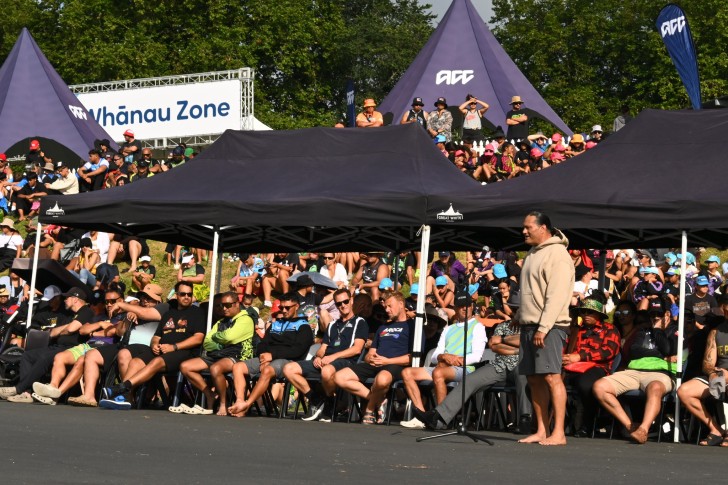
ACC is hosting a Whānau Zone for supporters, paddlers and wider whānau to relax and watch the racing.
We also have staff on site to share information about ACC support services, as well as providing the opportunity to try a community strength and balance class.
“Community strength and balance classes are more than just exercise – they’re about connection, confidence and staying active so you can prevent injury and continue to do the things you love,” Andy says.
“Whānau can come and give a class a go and, if they’re interested, then visit the Live Stronger for Longer website to find and continue classes when they return home.”
ACC data shows Māori are less likely to access ACC entitlements compared to non-Māori but are more likely to experience a serious injury.
“Community events like waka ama help us to raise awareness and build understanding around ACC services that improve rehabilitation outcomes for all New Zealanders,” Andy says.