
Borynt’s story: ‘A second chance not everyone gets’
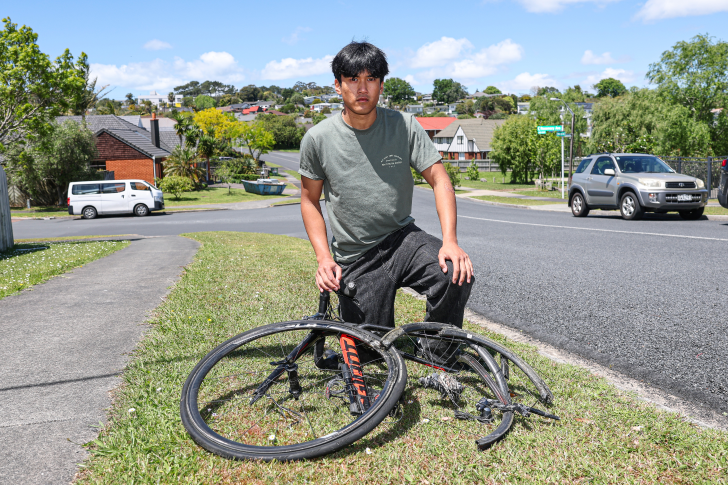
Cycling-mad teenager Borynt Em Ream nearly lost his life on the road. He’s making the most of his second chance but is keen to spread the word on road safety to help save the lives of others.





It was a clear morning when Borynt Em Ream set out for what should have been a routine training ride. Cycling had become part of the 15-year-old’s life – early starts, long rides and the sense of freedom that comes from being on the open road.
He was preparing for another school race when everything changed in an instant.
He turned into a side road and that’s the last thing he remembers.
“I just blacked out,” says Borynt, who’s now 16. “I was just turning, and then nothing.”
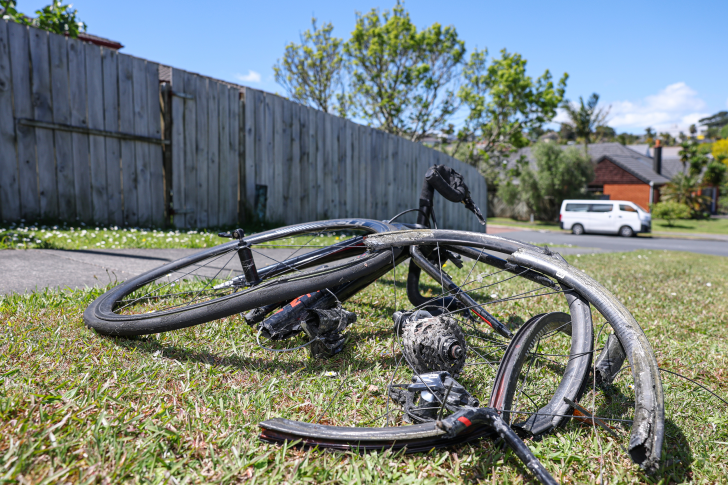
What happened next has been pieced together by others – witnesses, investigators and his family. A truck was driving behind him and – somewhere in that split second – visibility, timing and luck all failed Borynt.
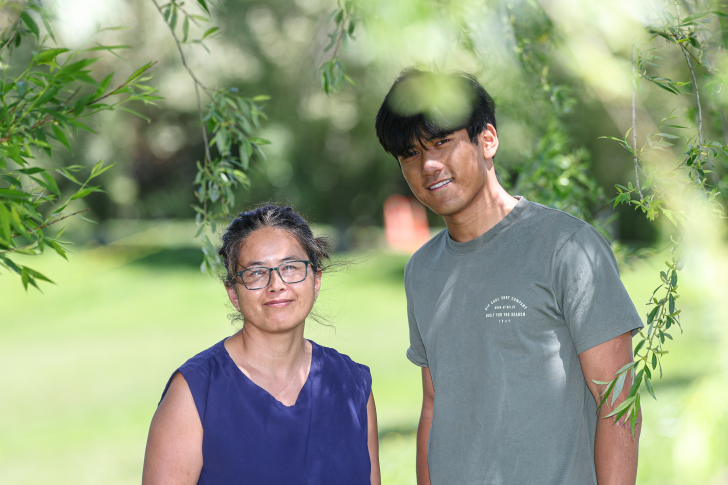
The impact threw him to the ground and his world went dark. Mum Soriya was at work when she got the call.
“The police came to our house first,” she says.
“My husband opened the door – that’s the moment every parent dreads. They said there’d been a serious accident and, when I heard the news, of course I feared the worst.”
Within a few minutes, both parents were rushing to Auckland Hospital.
“It just felt surreal,” Soriya says.
“You never think it’ll happen to your child. You know there are risks in cycling but you always assume it happens to someone else.”
‘We were incredibly lucky’
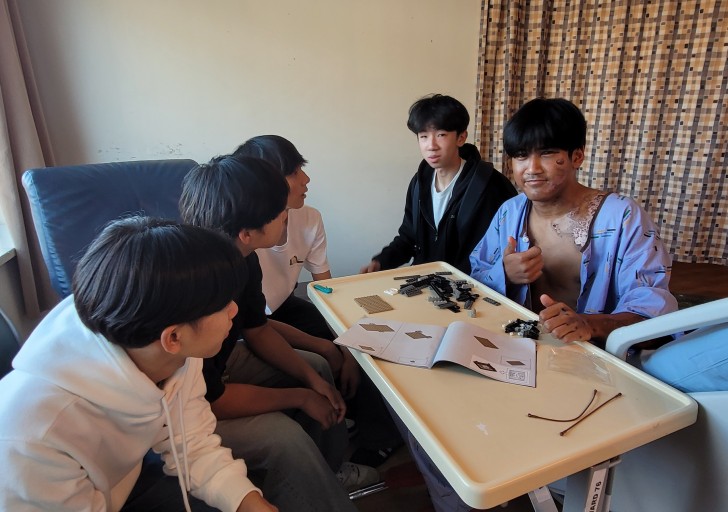
Borynt’s injuries were severe – both lungs punctured, two broken ribs and burst blood vessels in his eyes. His helmet saved his brain but left his face bruised and swollen from the pressure.
Doctors inserted tubes into his chest to keep his lungs inflated. He was sedated and kept in intensive care for a week, with doctors uncertain how well he would recover.
But he began to bounce back slowly. His lungs healed naturally and there was no lasting brain injury. He was out of hospital in just over two weeks, something doctors called remarkable.
“Looking back, we were incredibly lucky,” Soriya says.
“If it had happened even ten kilometres further away, he might not have made it. The paramedics who arrived knew exactly what to do. His age and fitness really helped.”
Borynt doesn’t remember the impact or the chaos that followed. His first clear memory came days later.
“I just remember lying there. Everything felt strange, like I’d been asleep for a long time.”
Getting back on the bike
After three months of recovery, Borynt was cleared to ride again.
Physically, he’d healed – but getting back on the bike wasn’t easy.
“I felt weaker,” he admits.
“I had to work a lot harder to get my fitness back. And yeah, there was some anxiety. But I wanted to ride again.”
Soriya remembers the moment he left the hospital vividly.
“We were walking out of the eye clinic, and a cyclist rode past. Borynt looked at me and said, ‘I can’t wait to get back on my bike.’
“Of course, as a mum, you’re nervous,” she says.
“But cycling is something he loves. We weren’t going to take that away from him. You can’t stop living your life because of what might happen.”
ACC helps regain independence
Borynt’s recovery was supported by ACC, helping him to regain independence.
“They were amazing,” Soriya says.
“He had follow-up visits from a concussion nurse, breathing tests and fitness checks – it all helped us feel supported. If this had happened somewhere else, the outcome could have been very different.”
Three months after the crash, Borynt was back training and later returned to racing, even competing at nationals.
“I don’t think I’ll go professional, but I’ll keep riding for fun. I just love it.”
He enjoys the freedom of cycling most.
“You can go anywhere and see everything. You feel the wind, the effort. It’s different from being in a car – you feel alive.”
The family never had direct contact with the truck driver, but they passed a message through police.
“We knew it was an accident,” Soriya says.
“He would have been traumatised too. There was no anger – just relief that everyone survived.”
Cycling injury costs highest in five years
Unfortunately, Borynt is not alone.
In 2024, ACC helped people recover from more than 31,000 cycling-related injuries across New Zealand. It cost $115 million to help people recover from these injuries – the highest cost over the past five years.
ACC Injury Prevention Leader James Whitaker says cycling is a great way to exercise and a popular method of commuting. But he says people need to be aware of the risk of injury.
“Cycling is a fantastic way to get from A to B, to keep fit and to see the country,” he says.
“Although cyclists are among our most vulnerable road users, there are many things people can do to prevent their risk of injury.
“This includes checking your bike first, wearing the right gear, including a helmet, making sure you can be easily seen, and always being aware of other road users and the conditions of the road ahead.”
The experience of his accident has changed how Borynt and Soriya think about road safety. They speak passionately about awareness, from the point of view of all road users.
“For drivers, just give cyclists more space,” Borynt says.
“Slow down when you pass us. Sometimes it’s only a few seconds, but it can save a life.”
Soriya agrees.
“Drivers often forget cyclists are out there. They’re focused on getting somewhere fast, but a moment’s inattention can change everything.
“And for cyclists, it’s about visibility – wear bright clothing, keep your lights on and tell someone where you’re going.”
‘You hold your breath every time he leaves’
Borynt’s bike computer now shares his live location with his family during every ride.
“It emails my location the whole time, so they always know where I am.”
During winter, when early training starts mean riding in the dark, safety is even more critical. His school team uses strong lights, reflective gear and even a follow car.
“It’s tricky in Auckland,” Soriya says. “The roads are only quiet early in the morning, but that’s when it’s darkest.”
The riders also take part in safety training with local organisations, learning what it’s like from a truck driver’s point of view.
“They got to sit in the cab and see how hard it is to spot cyclists in blind spots,” she says. “That really opened their eyes.”
For Soriya, the hardest part of seeing her son return to the road wasn’t fear – it was letting go of control.
“He rides with others most of the time now, not alone,” she says.
“That helps. But you still hold your breath every time he leaves.”
Borynt’s younger brother has recently started cycling too, adding another layer of anxiety.
“He’s only thirteen,” Soriya says.
“He rides to school and already notices how drivers don’t always stop or see you at intersections. It’s scary.”
Easing the tension on our roads
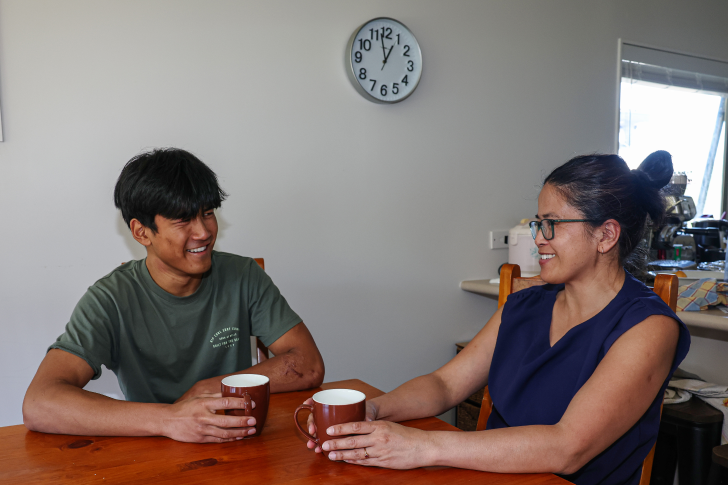
Soriya believes what’s needed most is a culture shift.
“There’s still tension between drivers and cyclists,” she says.
“Some people see cyclists as a nuisance, but we’re all just trying to get somewhere safely, whether it’s to work, school or just out for a ride.”
Borynt knows how close he came to not being here. One bad moment, one unlucky angle, could have changed everything.
“It’s crazy to think how quick it was,” he says.
“You don’t expect it, but it makes you appreciate things more. I’m grateful for the second chance that not everyone gets.”
Safety advice for cyclists and drivers
- Always wear a helmet and other safety gear – and make sure it fits properly
- Check your bike tyres (for appropriate air pressure), brakes and chain before riding
- Make sure you’ve got bright front and rear lights that work and use them night and day
- See and be seen, riding where other road users can easily see you
- Communicate with other road users – letting them know when it’s safe to pass and signalling where you’re going to go
- Drivers and cyclists should give each other plenty of space – at least 1.5m
- Know your limits – be realistic and have a rest when you know you need it