Gabrielle’s story: Gardening safety lesson learned the hard way
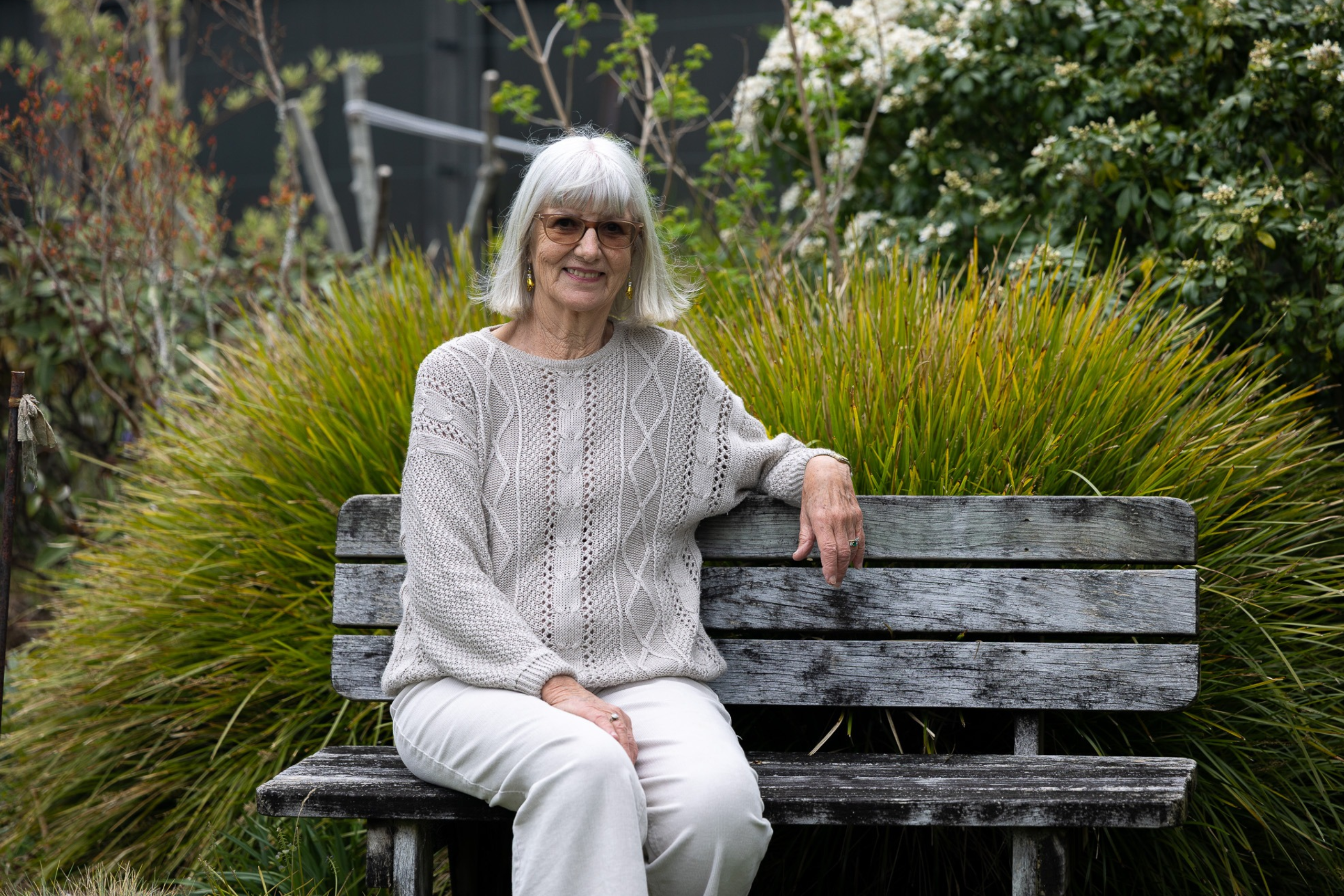
An afternoon in the garden ended in hospital for Gabrielle Sorensen after her jandal slipped on a sap-covered spade, slicing a deep gash through her foot – and teaching a valuable lesson about wearing appropriate footwear when gardening.





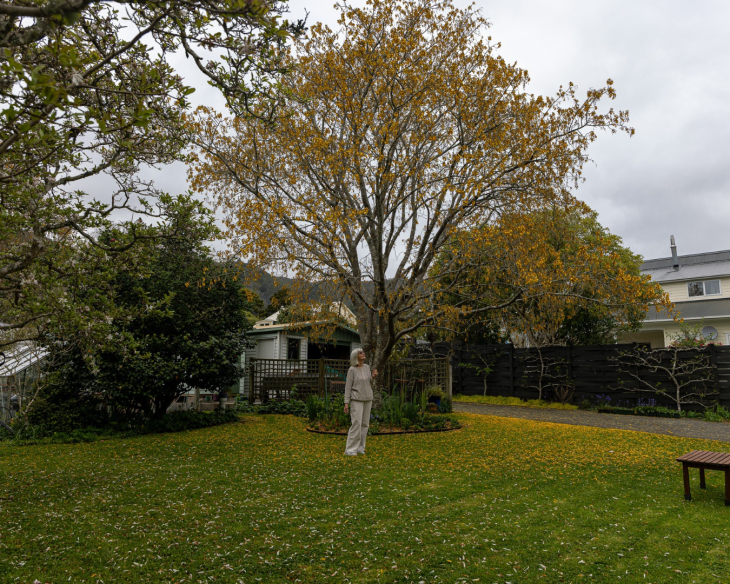
A keen gardener, Gabrielle has tended to her half-acre plot in Lower Hutt for 45 years and been injury free for most of that time.
Now 74, the retired teacher got into gardening during her flatting days and enjoys the serenity of a green space. But one sunny day her happy place briefly turned into a nightmare.
“It was the height of summer, I was out in the garden wearing shorts and jandals as per usual, when a rogue agapanthus caught my eye,” she says.
The blue flowers of the agapanthus may look beautiful, but the plant is classed as an environmental weed in New Zealand.
“I certainly didn’t plant it, so I got a spade and started to dig it out,” Sorensen says.
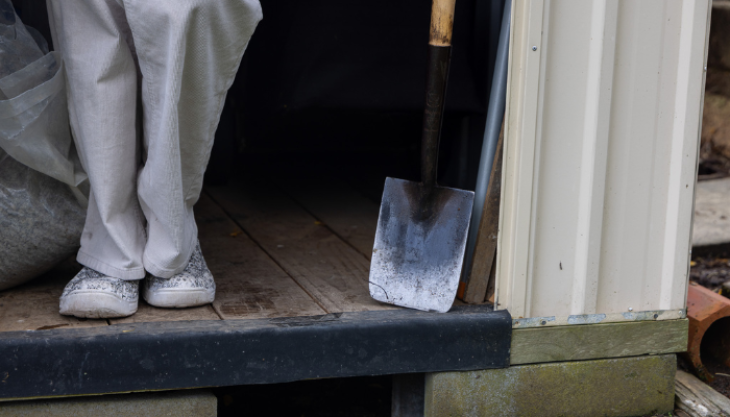
“But I’d never dug one out before and didn’t realise how much slimy, gooey sap is produced by an ‘aggie’ when you cut it. The slimy spade led to my jandals getting all slimy, which wasn’t a good combination.”
When Gabrielle stamped down on the spade, her foot slipped out of the jandal, catching the corner of the spade’s shoulder.
“It sliced a massive gash through the arch of my foot,” she says.
Luckily, her family were home and rushed outside when they heard Gabrielle's cries for help. They bundled her into the car and headed straight for the emergency department.
“At hospital, they filled me with nitrous oxide, washed the wound out and stitched it back together,” she says.
“I couldn’t put any weight on the sole of my foot, so they gave me crutches and I hobbled around like that for several weeks. I love being active and tending to the garden, so it was a miserable few weeks – being on crutches was a real pain.”
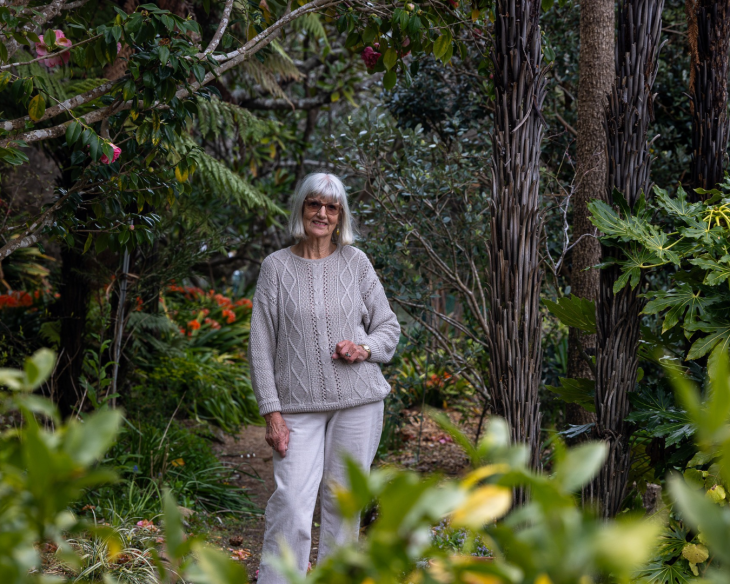
'Have a hmmm' in the garden
Gabrielle is far from alone in injuring herself in the garden. The backyard may seem like a safe haven, but ACC figures show there are around 76,000 gardening-related injury claims on average each year.
That’s over 200 people being injured in their gardens every day. It costs ACC around $120 million each year to support people recovering from these injuries.
But ACC injury prevention leader James Whitaker says the impact of gardening injuries extends well beyond the financial cost.
"A moment of inattention can have long-lasting impacts on you and the people around you,” he says.
Many of these injuries are caused by falls from trees and ladders while pruning, moving and starting lawnmowers with poor technique, and digging and moving soil.
Whitaker says many gardening injuries can be prevented with some simple precautions.
“With the arrival of spring, I understand the eagerness to get out in the garden and whip it back into shape for summer,” he says.
“But, before you go full weekend warrior, ‘have a hmmm’ and ask yourself how you can make the job lighter and easier on your body. By becoming more aware of your surroundings and identifying potential hazards, you can reduce your risk of injury.”
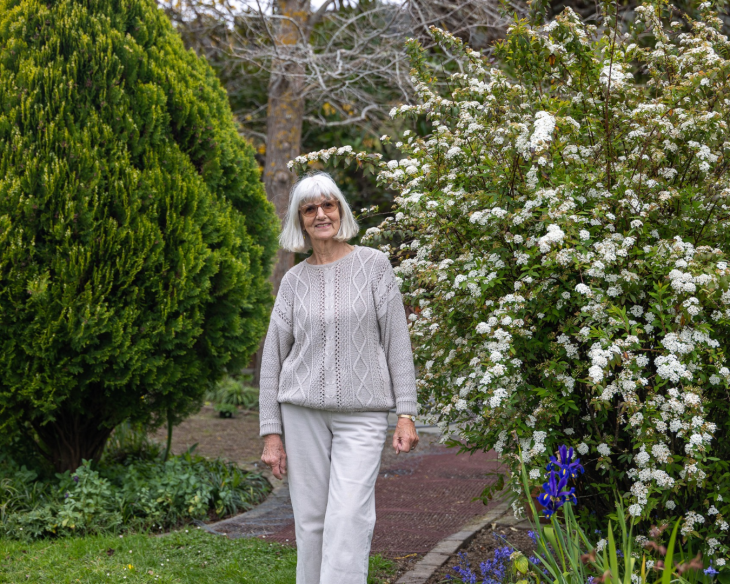
'It changed the way I see the garden quite a lot'
Gabrielle, a member of the Hutt Valley Horticultural Society, is in one of the most at-risk categories – the over-50 age group accounts for the majority of ACC claims for gardening injuries.
Her injury also occurred during the higher-risk time of year, with gardening claims peaking in the warmer months.
The nasty injury made Gabrielle think a lot more about how to stay safe when gardening.
“It changed the way I see the garden quite a lot,” she says.
“I realised there’s a lot of stuff we do that perhaps we shouldn’t. At the very least, you should make sure you’ve got the right gear for what you’re doing.
“I always make sure I’ve got clean, sharp tools. There’s a lot of tools these days that you couldn’t get a long time ago, so you need to be wary of how to use them properly.
“Make sure you have the right clothing and footwear. Buy equipment that protects you, particularly your vision and your head.”
Gabrielle now leaves her jandals aside whenever she picks up a spade.
“Ever since then, I’ve always used decent, lace-up, heavy-soled footwear,” she says. “I definitely learned my lesson.”
ACC gardening tips to prevent injury
- Avoid overstretching on ladders by only pruning what’s directly in front of you and use stable ladder set-ups.
- Avoid climbing trees to prune them – use a pole saw instead (if you don’t have one you can hire them or borrow from a mate or neighbour).
- Get help for high-risk tree and hedge trimming.
- Loosen and break up soil before you dig it. It’s a good idea to wet the soil before you dig, then loosen and turn the dirt with a garden fork.
- Avoid twisting when moving and offloading soil – a great way to do this is to align your shoulders and hips at all times.
- Avoid strain when mowing, including when moving or starting the mower.
- Keep hoses and equipment out of walkways.
ACC gardening injuries data
- ACC supports people to recover from an average of 76,000 gardening-related injuries each year.
- There is an average of 208 gardening injuries per day.
- In 2025, ACC received 79,169 claims for injuries related to gardening.
- It costs ACC around $120 million each year to support people to recover from gardening injuries.
- Every year, an average of 22,429 (or 30%) of gardening injuries involve a fall.
- Around 64,000 (85%) are soft tissue injuries (sprains and strains etc).
- Around 35,000 (46%) are injuries to backs, necks and shoulders.
- The regions with the highest number of claims last year were Auckland (25,423) ($37.4M), Canterbury (9,621) ($15.6M), Waikato (8,275) ($13.7M), Bay of Plenty (6,130) ($8.7M), Wellington (5,469) ($7.8M), Northland (4,191) ($6.8M) and Otago (4,087) ($6.8M).
- Gardening claims peak over the warmer months. Last year, claims rose from 5,895 in September to 7,739 in October and 9,160 in November. There were 7,562 claims in December while January brought 8,307, February 7,285 and March 7,109.
- Over-50s accounted for the majority of these claims – 65-69 years (9,374), 60-64 (8,960), 70-74 (8,830), 75-79 (8,197), 55-59 (7,722) and 50-54 (6,867).