
Hala’s story: Staying injury free to achieve your fitness goals
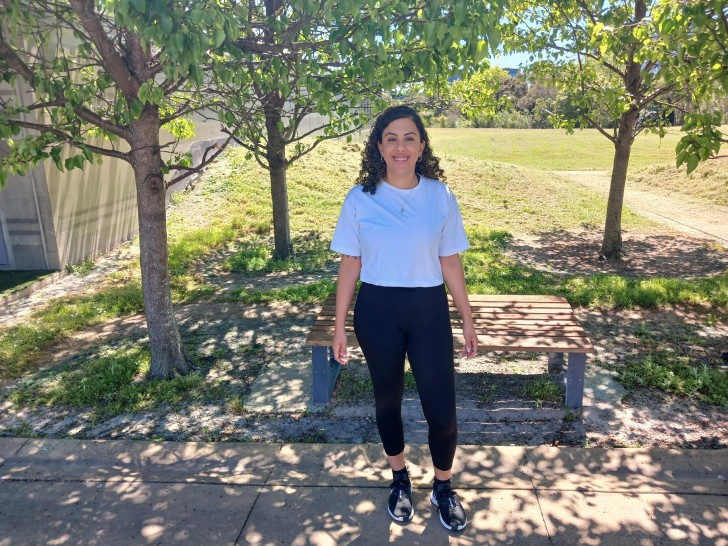
The start of a new year is an opportunity to reflect and set new goals. Health and fitness goals are common but need to be tackled wisely to avoid injury, as Hala found out.





Like many of us, a new year resolution for Hala was to work on her health and fitness.
Turning 35, the Aucklander came to the realisation that she hadn’t been taking very good care of her health and decided she was going to make some changes in her life.
She joined her local leisure centre at the start of 2025 and one of the gym trainers took her through some of the basics to get her started.
“That was me for about four months,” Hala says.
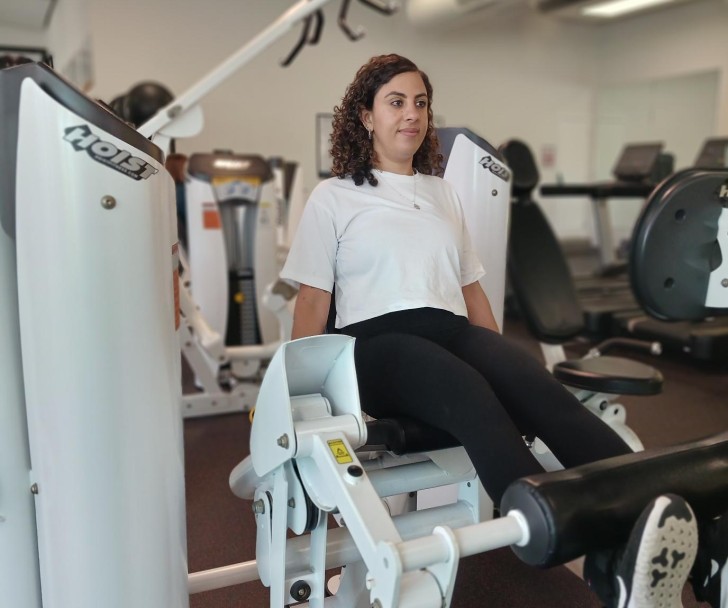
“I was trying to figure it out but I obviously wasn’t using the right techniques. I started using the squat machines and was progressively increasing the weight, but with every squat I'd get this sharp shooting pain in my hip.
“I kept exercising on it, thinking it would come right but it didn't – it just got worse and worse.”
The pain got so bad it started to affect her work and other parts of her life.
“I was finding it hard sitting at a desk but standing for long periods was also sore – there wasn't really a comfortable position to work in.
“It was unbearable and got to the point where I started to feel uncomfortable even walking around.”
‘It was really devastating’
After a couple of weeks of being in constant pain, Hala saw a physiotherapist who told her she had sprained her hip flexor and abductor muscles.
“In terms of my fitness journey, it was really devastating. I’d built up to exercising four to five times a week but I couldn’t even be on a treadmill or a bike without feeling pain.”
ACC has supported Hala with her physiotherapy appointments.
“At first, I was really frustrated at how my progress had halted but the physiotherapy has been amazing,” she says.
As well as treating the injury, the physio has been working with Hala on strengthening exercises and helping correct her form.
“I’m building the strength in my glute muscles, so I'm not relying on my hips and knees,” she says.
“Slowly, I've been reintroducing exercises, using the resistance band, and building up to actually being able to squat again.
“The injury was unfortunate but being taught how to do exercises properly is literally injury prevention and, once I’m fully rehabbed, means I won’t reinjure myself.”
Seeking advice and support
Hala has noticed her mental health improve since she’s been able to start moving her body again.
“I’m at a point where my health goals are really important to me,” she says.
“I now have really specific goals, tailored to me. I can see progress and I’m getting results and little wins along the way.”
For anyone looking to focus on their health and fitness, Hala recommends speaking with a registered professional first.
“I would 100 per cent invest in a trainer that’s focused on your form and technique because, if I’d done that, I wouldn’t have got injured.”
Hala also recommends seeking support from a physio straightaway if you feel any discomfort or pain.
“I should have consulted a physio earlier and I definitely shouldn’t have continued exercising through the pain. I probably just made it worse and set my recovery back further,” she says.
“The one other thing I would say is to not compare yourself to others. I think I was maybe rushing some steps because I wanted to see progress faster than what was maybe realistic for me.”
‘Have a hmmm’ to stay injury free
ACC Injury Prevention Leader James Whitaker says it’s great to see New Zealanders like Hala prioritising their strength and fitness but encourages everyone to have a plan.
“We want all New Zealanders to be active and living healthy lifestyles,” James says.
“A programme from a registered personal trainer that’s specific to you, your experience and your goals will help reduce your risk of injury.”
James also recommends completing a dynamic warm-up before attempting to lift any heavy weights or to hit pace on the treadmill.
“Ease into it. It can be tempting to jump right into intense training but going too hard, too soon might increase your risk of injury,” he says.
“‘Have a hmmm’ and take a moment to consider the risks of injury before you get stuck in at the gym, so you can continue training and chasing the results you’re after.”
Tips to prevent a gym injury
- Complete a dynamic warm up
- Ease into it – going too hard, too soon can lead to injury
- Get advice from a registered personal trainer, you can find one near you on the website for REPs, the registration body for Exercise Professionals and Facilities
- Be realistic and listen to your body – go at your own pace
- Have recovery days and, if you do get injured, take time to recover and don’t rush back into training