‘It was a hell of a shock’: Fighting back against a hidden disease
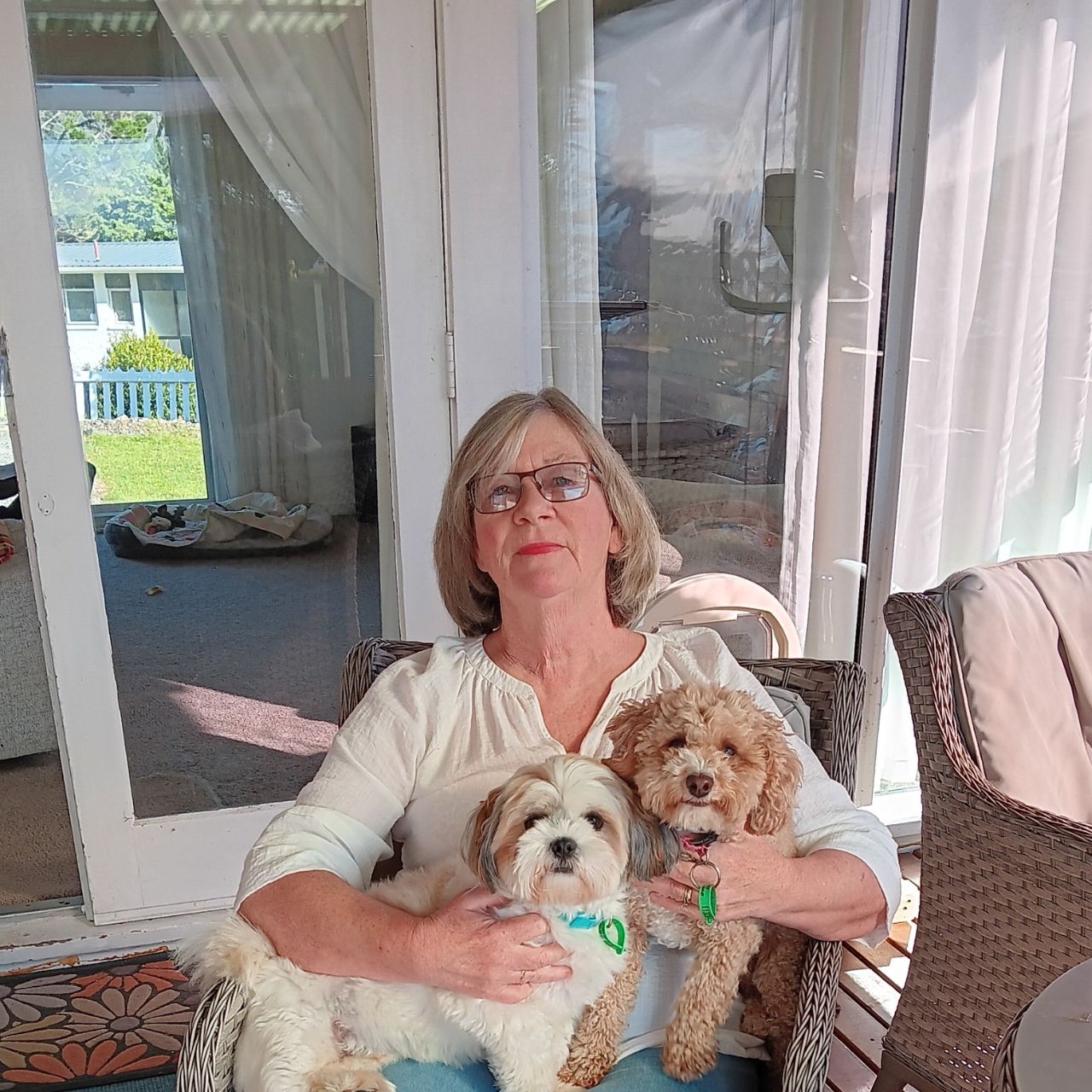
It's World Osteoporosis Day (20 October). Sarah Pollard spoke to us about her fall injury and how our Fracture Liaison Service helped reduce her risk of another.





After many years as a healthcare assistant, Sarah Pollard was used to looking after others. So when she broke her left femur in four places, needing care herself was tough to deal with.
Even more of a shock was the surprise diagnosis that soon followed. Sarah was told she had osteoporosis – a skeletal condition known as a silent disease because there are typically no symptoms until a fracture occurs.
The condition causes bones to become thin, weak and porous, and is most common among older adults because bone loss happens faster than the body can build new bone.
Fit and healthy for her age, Sarah led an active lifestyle – walking her two dogs with her husband, tending to her garden, going to the beach, swimming and meeting friends for walks.
“I’d always thought of myself as very healthy, so I never thought about osteoporosis,” the 64-year-old says. “It was a hell of a shock.”
Sarah is sharing her story this week for World Osteoporosis Day, which takes place on Tuesday 20 October 2026 and aims to shine a light on a disease she says needs greater awareness.
“It’s such a hidden disease – that shocked me when I read up on it.”
Her path to finding out she had osteoporosis began last November when the Whangārei resident slipped in a shop, causing the fractures to her femur. Surgery and nine days in hospital followed, then six weeks unable to bear weight on her injured leg.
She and her husband had to rearrange their house to accommodate a wheelchair, while everyday activities she’d taken for granted became difficult.
Physios and other healthcare professionals were visiting regularly, which Sarah found confronting.
“I’d worked in healthcare for so long, but now I was on the other end. I was relying on them to help me, which was quite an eye-opener,” she says.
Soon after returning home from hospital, she was contacted by the Whangārei branch of the Fracture Liaison Service, who arranged for her to have a bone density scan.
Run by Osteoporosis New Zealand and ACC, the fracture service aims to reduce the risk of people suffering secondary fragility fractures. It’s a big problem among people around Sarah's age group with ACC accepting over 200,000 claims every year for fracture-related fall injuries from those aged 65 and over, costing around $494 million.
Sarah wasn’t aware of these alarming statistics and, when the scan results came back, she was surprised to hear her doctor recommend osteoporosis treatment. For someone who had previously taken hardly any regular medication, being told she would need treatment for several years was another shock.
But it was a relief to know what was happening with her bones and what she could do to reduce her risk of suffering more fractures.
“I was very grateful to the Fracture Liaison Service for referring me for the scan and beginning that whole process, otherwise I would never have known,” she says.
Reducing the incidence of falls
Falls are the most common cause of injury in New Zealand, accounting for nearly 40 per cent of all ACC claims.
ACC injury prevention leader James Whitaker says the organisation’s investment in the fracture service is helping people who have experienced fractures regain independence, reduce the risk of future injury and improve overall wellbeing.
“Many people think falling is part of the ageing process, but the good news is most falls are preventable,” James says.
“Early detection, bone health management and fall prevention strategies are key to reducing the incidence and severity of fragility fractures, particularly in older adults. Engaging in a wide range of sports and physical activities at any age is beneficial for bone health and it’s never too late to start.
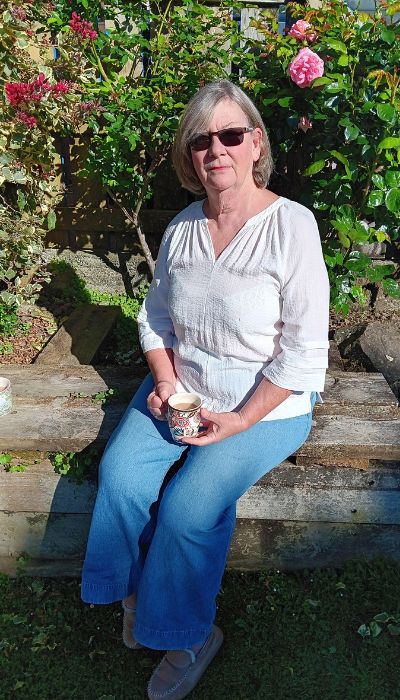
“Research shows regular strength and balance training is a highly-effective, evidence-based intervention that reduces the risk of falls by almost a third.”
Since her diagnosis, Sarah has taken steps to reduce her risk of suffering further fractures. She’s taking her osteoporosis medication, paying attention to her nutrition and returning to exercise as her recovery allows. She attends aqua-based fitness sessions and is gradually rebuilding her strength.
Her coordinator from the Fracture Liaison Service has stayed in touch to provide support during her recovery, which Sarah has found invaluable.
“The main thing I hope people will take from my experience is not to wait until a fracture happens,” she says.
“It’s not just about having a scan, it’s about knowing that bone health matters and doing something about it.”