

New guidelines support safe, earlier return to work after surgery
We’ve collaborated with the New Zealand Orthopaedic Association (NZOA) and their specialty societies to develop guidelines for returning to work after surgery.





Getting patients back to work after surgery safely and as early as possible benefits the patient, their whānau and their workplace.
To support this, we collaborated with the New Zealand Orthopaedic Association (NZOA) and their specialty societies to develop guidelines for returning to work after surgery.
Guidelines for returning to work after surgery
The guidelines provide clear expectations about what a patient’s recovery should look like after specific surgeries and when they should return to work safely.
The guidelines are for specific surgeries, including:
- anterior cruciate ligament (ACL) reconstruction
- ankle lateral ligament reconstruction
- knee arthroscopy
- lumbar discectomy
- lumbar fusion
- rotator cuff repair
- total or partial knee replacement
“Getting people back to work and independence is a key priority of our Turnaround Plan, which sets out what we’ll deliver to improve performance and achieve better recovery outcomes for injured New Zealanders,” says Dr. Debbie Holdsworth, ACC’s Chief Clinical Officer.
“Together with NZOA, we’ve created clinically-endorsed guidelines for post-surgical recovery after specific procedures and when patients can safely return to work.”
Using evidence to inform the guidelines
While there are several factors that determine when a patient can return to work safely, surgeons and other certifying providers will now have evidence-based guidelines they can use to support their certification practices.
The guidelines will help surgeons have conversations with patients about their recovery to help them get back to work and independence sooner.
To develop the guidelines, we drew on international guidelines and expert clinical opinion from the New Zealand Knee Society, New Zealand Foot and Ankle Society, New Zealand Orthopaedic Spine Society, and the New Zealand Shoulder and Elbow Society.
Working with NZOA and their specialty groups, we considered international benchmarks as well as surgical, clinical and occupational factors in conjunction with ACC data to develop these clinical best practice guidelines.
“The NZOA is pleased to have collaborated with ACC and endorses these guidelines as a practical, evidence-informed framework to support safe and appropriate return to work following surgery, while recognising the importance of individual clinical judgement and patient-specific factors,” says Alex Malone, NZOA ACC and Third Party Liaison Committee Chair.
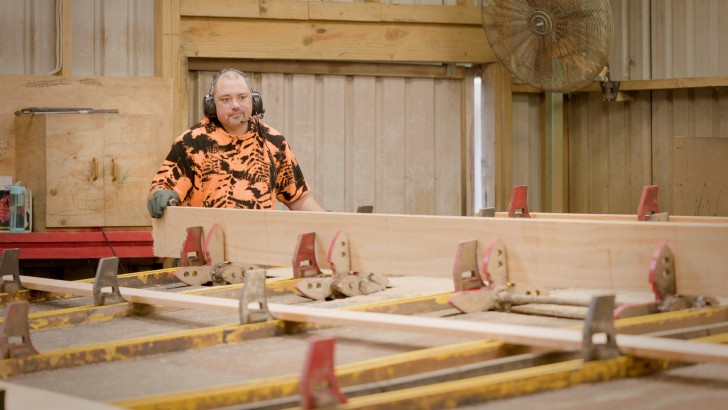
Why returning to work early matters
There’s strong evidence that work is generally good for physical and mental health and wellbeing, and can be a valuable component of a patient’s rehabilitation.
“Patients recovering from surgery should be supported to return to work early and safely, including returning to work in a modified or graduated capacity where appropriate,” Debbie says.
“This means ensuring you’re selecting the right medical certificate for your patient.”
For more information
The return-to-work guidelines are available on our website.
Guidelines for returning to work after surgery
You can also learn more about medical certification. A medical certificate is issued if a patient needs to reduce their hours or change the type of work they do because of their injury.