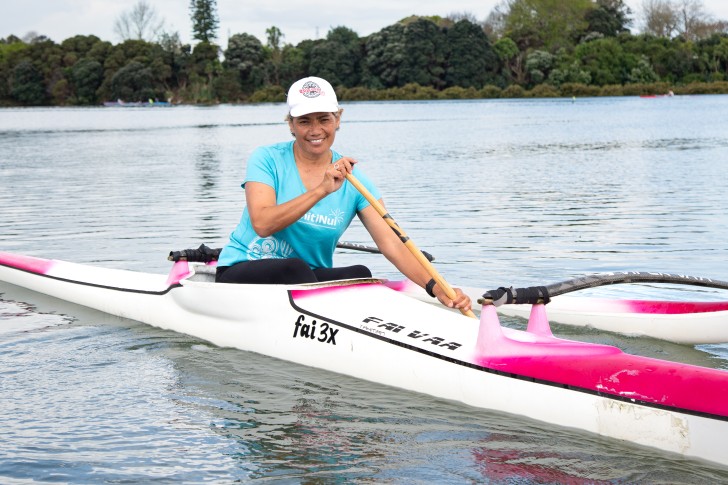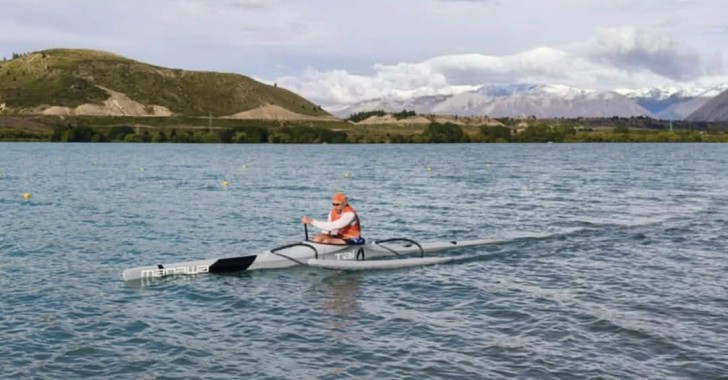

Dr Jamie-Lee: Staying connected to recover faster
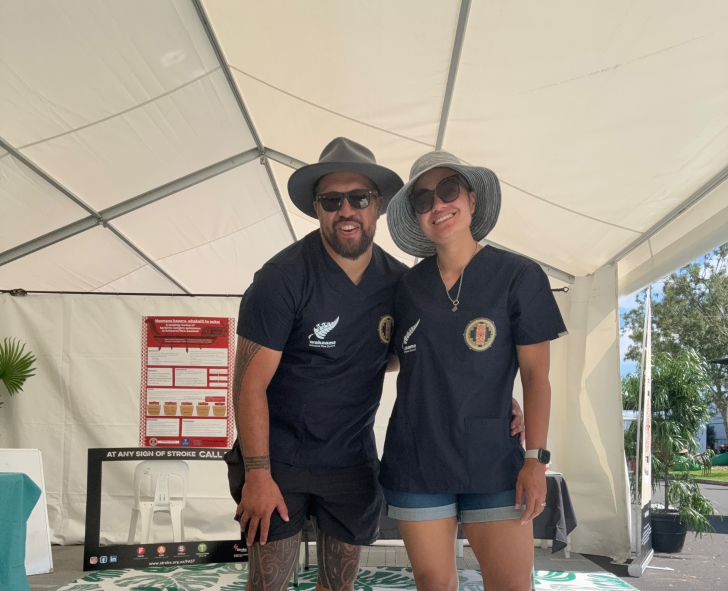
General surgeon Dr Jamie-Lee Rahiri was part of the Hauora Hub at the Waka Ama Sprint Nationals this month. She says staying connected to your community during injury recovery is important to get back to paddling faster.





The affiliation of Dr Jamie-Lee Rahiri (Ngāti Porou, Ngāti Whātua o Kaipara me Te Ātihaunui-a-Pāpārangi) to waka ama dates back 25 years.
She began paddling when she was at intermediate school.
But last week she was giving back to the sport, working at the Hauora Hub through her institute Te Piringa Kōtuku at the Waka Ama Sprint Nationals.
The Hauora Hub was a new addition to the event, held at Lake Karāpiro this month. The new health-focused area created a space to engage with whānau.
Dr Jamie-Lee is a general surgery trainee and researcher.
“In surgery, we meet people at the point where injury has already occurred, which is why recovery and connection beyond the hospital are so important,” she says.
“Surgery is often just one part of a much longer recovery journey. What happens after someone leaves hospital – the support, connection and sense of belonging they have – can make a real difference to how they recover.”
From paddling together to recovering together
That’s where Dr Jamie-Lee believes sports like waka ama play such an important role.
“Injury can temporarily change how whānau participate in sport but staying connected to their team and community can be an important part of recovery,” she says.
“Everyone is different in how they connect and recover but one of the special things about waka ama is that it’s an intergenerational whānau sport.
“It relies on the support by whānau – from paddling together to recovering together.”
A serious injury can present a risk of becoming isolated, she says.
“Waka ama is mostly a team sport – people have often trained together for months or even years leading into an event like Sprint Nationals.
“When injury changes how someone can participate, that shift can be challenging, particularly when the sport is such a big part of their identity and wellbeing. What makes waka ama special is that connection doesn’t stop – there are many ways to stay involved and supported by your team.
“That might look like coaching, supporting from the shore or being present with your crew while you recover.”

Dr Jamie-Lee Rahiri working at the Waka Ama Sprint Nationals with her husband Dr Jason Tuhoe and students Elaijah Tuavaiti and Noah Appleby.
Giving back through waka ama
Dr Jamie-Lee met her first mentor in medicine, Professor Matire Harwood, through paddling.
“I was exposed to mana wahine leadership young through waka ama and I want to give back in any way I can,” she says.
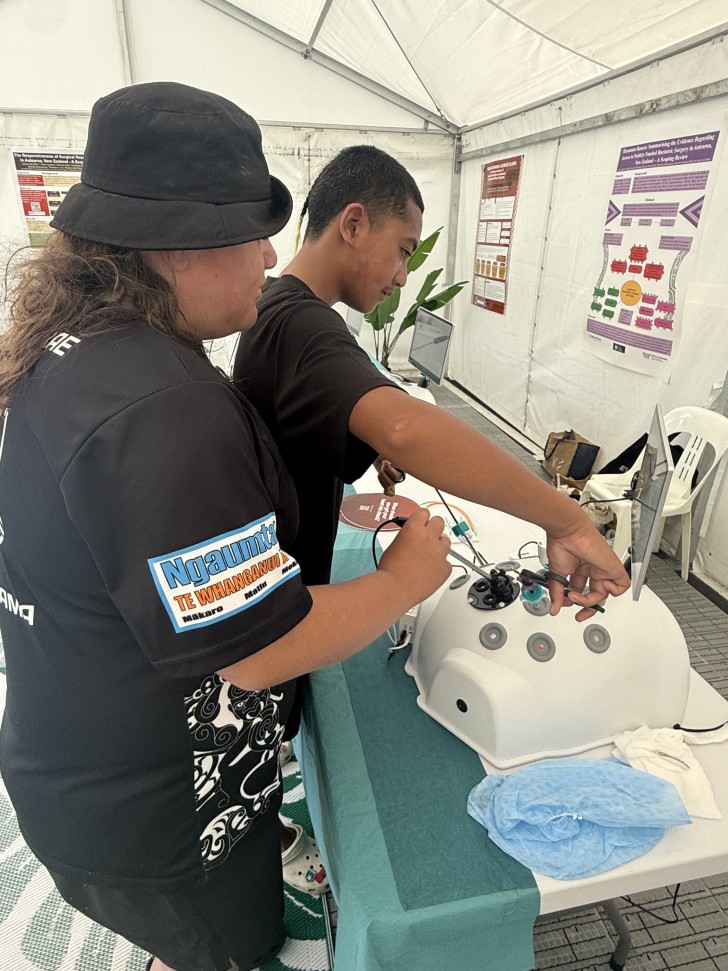
Her presence at the Hauora Hub was in a workforce development capacity for tamariki and rangatahi.
“We’re focused on creating opportunities for tamariki and rangatahi to explore medicine in a hands-on, supportive way, while also giving back to a sport that has supported us as a whānau,” she says.
Improving strength and balance to prevent injury
ACC ran community strength and balance classes throughout the week at the Hauora Hub for participants and spectators to try.
Every year, one in three people over 65 injures themselves in a fall, rising to one in two once they reach 80.
Andy Milne, ACC’s Deputy Chief Executive of Strategy, Engagement and Prevention, says the strength and balance classes are about more than just exercise.
“They're about connection, confidence and staying active so you can prevent injury and continue to do the things you love,” he says.
At Sprint Nationals, whānau were able to come and give a class a go and, if interested in following up, visit the Live Stronger for Longer website to find and continue classes at home.

Supporting the kaupapa of waka ama
The Waka Ama Sprint Nationals is a special event, Andy says.
“We’re proud to support the kaupapa of waka ama, strengthening community resilience and wellbeing through sport and family-focused initiatives,” he says.
“Staying connected to your whānau is one of the most powerful things you can do for your wellbeing during recovery from an injury.”
ACC aims to encourage safer participation in sport, promote injury prevention and ensure New Zealanders of all ages understand the role of rehabilitation when injured.
“An injury doesn’t have to put your life on hold,” Andy says.
“With an active recovery, you can get back to what’s important to you – whether that’s time with your whānau, joining your team on the water or even just being able to enjoy the summer.”
ACC hosted a Whānau Zone for supporters, paddlers and wider whānau to relax and watch the racing. There were also staff on site to share information about ACC support services.
ACC data shows Māori are less likely to access ACC entitlements compared to non-Māori but are more likely to experience a serious injury.
“Community events like waka ama help us to raise awareness and build understanding around ACC services that improve rehabilitation outcomes for all New Zealanders,” Andy says.