
Making recovery at work a reality
An Auckland-based waste management company has created a recovery-friendly workplace by putting people at the heart of its decisions, benefiting both the business and its employees. Recovering at work after an injury can help people get better, sooner.





When Rubbish Direct truck driver Bill Broadley was seriously injured in a motorcycle accident, he was left worrying for his future.
He’d worked as a driver for years and loved it – but could he recover enough to return to such a physical job? And would that job be safe while his employer waited?
That’s when Rubbish Direct management stepped in, easing Bill’s fears by engaging with him as soon as possible.
Shon Smith, the company’s general manager, visited Bill in hospital and told him to focus on his recovery, not worrying about coming back until he was ready.
“They were just worried about me getting right and asked what they could do to help,” Bill says.
Shon and others checked in regularly, visiting Bill at home and reassuring him his role would still be there.
“That lifted a huge weight,” he says.
“The stress of wondering whether I’d still have an income to support my family – or a place to return to – was taken away. I could just focus on getting better.”
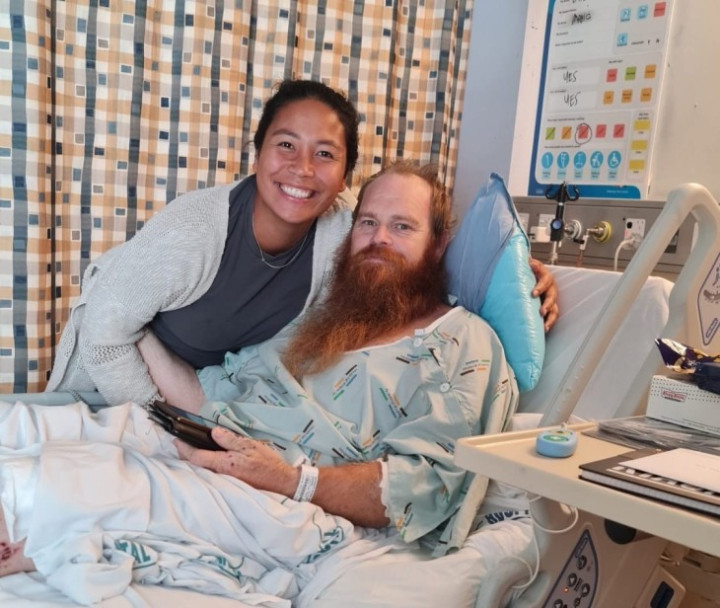
Shon visiting Bill in hospital.
‘I couldn’t wait to get back’
Bill says ACC played a leading role in his rehabilitation, supporting him financially and medically, while working closely with his GP, physiotherapist and employer to plan his return to work.
When he was ready, a recovery-at-work plan was put in place.
“I couldn’t wait to get back,” Bill says.
“It’s what I enjoy doing – I wouldn’t have done it for so long if I didn’t.”
Physically, returning to work rebuilt Bill’s strength and confidence. Mentally, it gave him purpose again.
“It just helped so much, being able to be active and moving again, rather than sitting there and doing nothing, just watching TV,” he says.
“Like a lot of New Zealanders, I suffer from depression, and I’ve also got ADD, so I don’t tend to sit still very easily. When I had to sit there for a long time and not do anything, it was very difficult for me.”
Suitable duties support recovery journey
Knowing how keen Bill was to return to work in some capacity, Shon acted swiftly to identify suitable duties he could perform while getting back to his best.
“Together, we looked throughout the business at other areas he could possibly look at, like administration or light duties, to see if there was anything else he could do.”
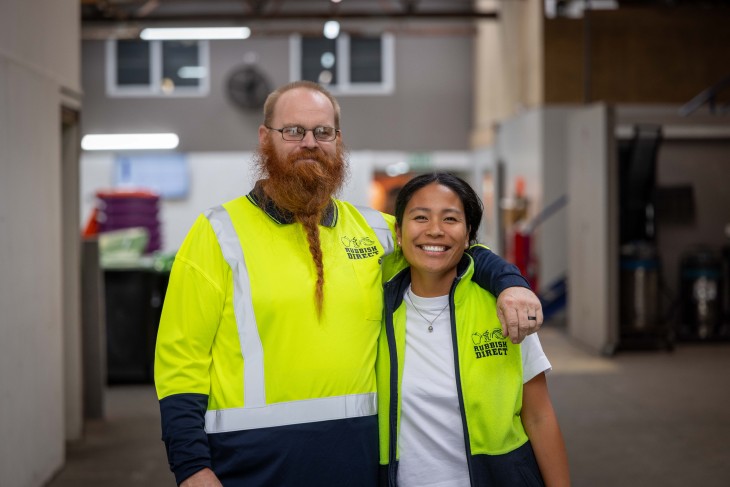
Bill and Shon worked together while he returned gradually on suitable duties and reduced hours.
Bill returned gradually on suitable duties and reduced hours. He couldn’t physically handle moving bins around so he focused on what he could manage.
That meant less strenuous tasks like training new drivers and sharing the knowledge he’d built up over his many years with the company.
It kept him connected, useful and engaged while his body caught up.
“I can’t recommend a recovery-at-work plan enough,” he says.
“Getting back to work changed my life."
Breaking down the barriers
Shon says injured employees often face barriers in returning to work, and putting their mind at ease is crucial for a successful outcome.
“One of the challenges we face is breaking down those barriers with the employee,” she says.

Shon Smith from Rubbish Direct.
“So it’s just about working through that and saying, ‘Hey, you’re a valued employee and we want you back here as soon as possible’.”
Shon believes it’s important to engage with the employee early and keep that communication going throughout the recovery.
“We like to start that conversation straight away – and it is just a conversation,” she says.
“It might be as easy as just saying, ‘Hey, how are you feeling today? Do you want to come in and see what we’re up to? Can we work on that return-to-work programme for you, so you’ve got something to go back with?’”
‘We’re like a family’
Bill says those regular check-ins made him feel like his employee cared and helped energise him to return.
“They came and saw me at home a couple of times,” he says. “That showed we’re not just a number here – we’re like a family.”
Shon has some wise words for other businesses looking to create a recovery-friendly workplace, with a culture that encourages injured employees to stay engaged.
“Our tip is to put people at the centre of the decisions you make,” she says.
“Work with them, the medical people supporting their recovery and ACC to see what’s going to work and what options you have.”
Why recover at work?
ACC data shows recovering at work after an injury can help people get better, sooner.
With the right team in place to support the injured person, going on a recovery-at-work plan makes it more likely they’ll return to their job and the things they enjoy outside of work.
Recovering at work can:
- improve physical and mental wellbeing by staying connected to your workplace
- increase independence and confidence
- lead to shorter recovery times
- mean earning up to 100% of your pre-injury income
More information is available on the recovery at work section of our website.