
Shon Smith: Why recovery at work matters
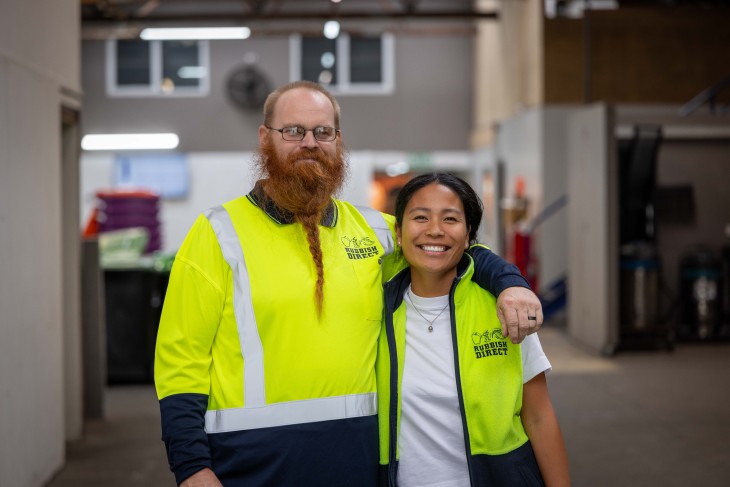
General manager of an Auckland-based waste management company, Shon Smith says the team aren’t just her workmates, they’re family. So when someone gets injured, she makes sure they’re supported with an ACC recovery at work plan.





I get asked what makes Rubbish Direct a special place to work. My answer is always the same: it’s the people.
Everything we do here starts and ends with our team. They’re the reason I get out of bed in the morning. They’re the reason this business keeps growing. And they’re the reason we’ve made a very conscious decision to become a recovery friendly workplace.
Seven days a week our team get a hot meal served for them at lunchtime. We started that during COVID-19 which seemed counterintuitive. We had lost 40 percent of our revenue, and we were investing $300k a year into lunches? It seemed crazy. But it has paid off. We have great staff retention, and it shows our team every day that we value them.
It isn’t the only way. Like any business—especially one with a large frontline and driving workforce—we’ve had injuries. Accidents happen. We never want them to, but pretending they won’t, isn’t leadership. What matters is how you respond when they do.
For us, recovery at work isn’t a policy tucked away in a folder. It’s a mindset. It’s about putting people at the centre of every decision we make.
Turning reassurance into action
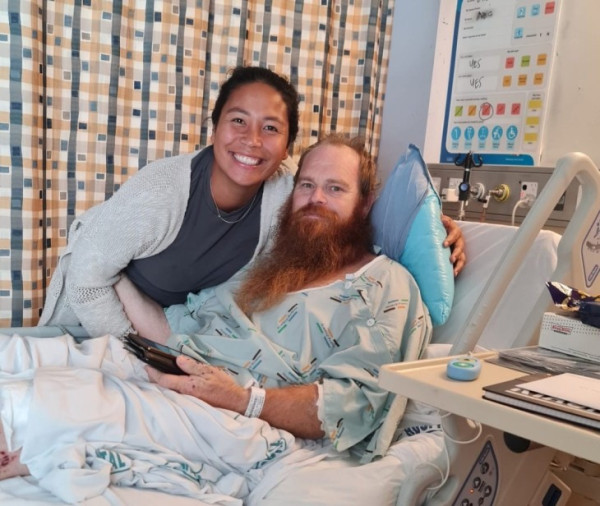
When someone is injured, the first thing we do is talk. Not paperwork—conversation. “How are you feeling?” “What do you need?” “How can we help you stay connected to work while you recover?” That conversation often happens sooner than people expect, and that’s deliberate. We’ve learned that the earlier we reach out, the quicker trust is built and the smoother the recovery becomes.
One of the biggest challenges after an injury isn’t physical—it’s fear. People worry about what the injury means for their job, their future, their value to the business. Our role is to break down that barrier and say clearly: You matter. We want you back. You’re a valued part of this team.
Recovery at work allows us to turn that reassurance into action. We sit down with the employee and map out what they can do, not what they can’t.
Sometimes that means alternative duties. Sometimes it means office-based or administrative work, even for people who usually work out on the road. We look across the business and ask, “Where could this person contribute while they recover?”
What’s surprised me most is what happens next.
Drivers discover an interest in sales. Others get curious about operations or accounting. People who might never have stepped into the office suddenly gain insight into how the business runs. At the same time, our managers gain a far better understanding of life on the frontline. Those shared experiences open up conversations we may never have had otherwise—and they make us stronger.
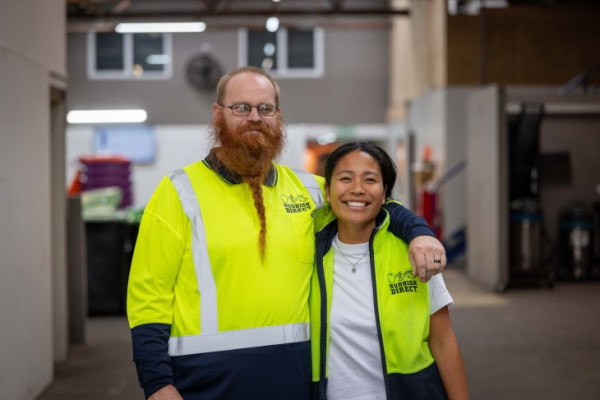
"It’s about doing the right thing by our people."
Recovery at work has helped our people heal not just physically, but mentally. Staying connected to work keeps routines intact. It maintains confidence. It reinforces that sense of belonging that’s so critical to wellbeing. We sometimes forget how important that is when we focus only on the physical injury.
From a business perspective, the benefits are clear. We retain our people. We build long-term, loyal employees who feel looked after and invested in. And those employees become some of our strongest advocates for health and safety. They’ve lived it. They know how quickly things can change—and they’re the first to speak up when they see something unsafe.
We’ve seen injuries reduce as a result. People look after each other more. They pull one another up. That culture of accountability doesn’t come from rules—it comes from care.
As a small business, long term employees are everything. We invest heavily in our people, and we want that investment to last. More than that, we want our people to keep contributing—to our business, to their families, to the wider economy and society. Recovery at work helps make that possible.
If I had one piece of advice for other businesses, it would be this: get out from behind the desk. Go and see what your people do every day. Ask them where things could be better. Review your practices together and actually act on what you hear. When people feel genuinely listened to, they lean in.
At Rubbish Direct, recovery at work works because it’s built on respect, trust, and teamwork. It’s about doing the right thing by our people. And when you do that, they do the right thing by you.
Why recover at work
ACC data shows recovering at work after an injury can help people get better, sooner. With the right team in place to support the injured person, it makes it more likely they will return to their job and the things they enjoy outside of work.
Recovering at work can:
- improve physical and mental wellbeing by staying connected to your workplace
- increase independence and confidence
- lead to shorter recovery times
- mean earning up to 100 percent of your pre-injury income.
For more information: Your recovery at work guide