
Whānau health to the fore at waka ama
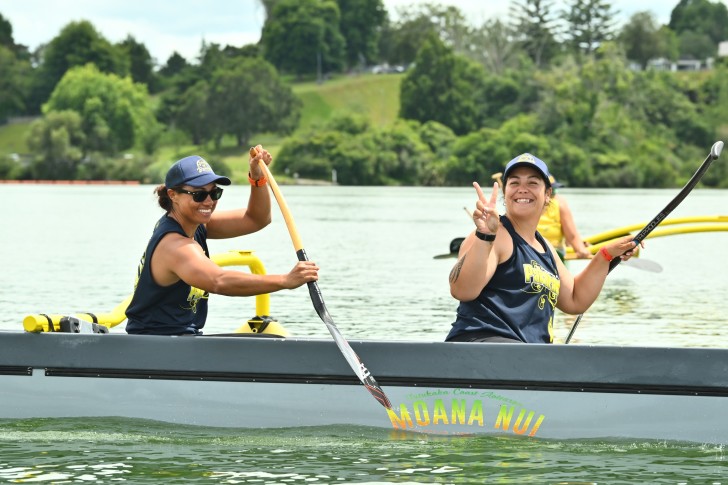
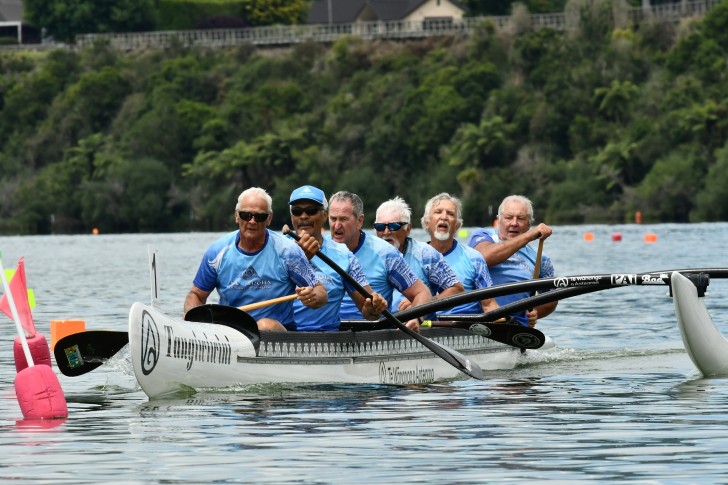
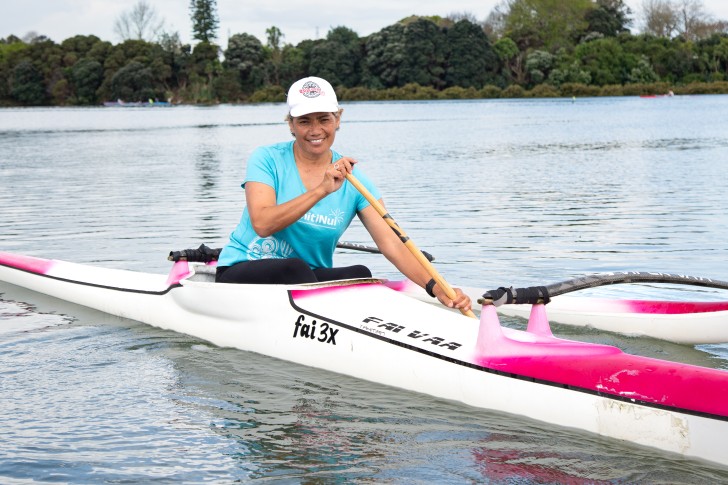
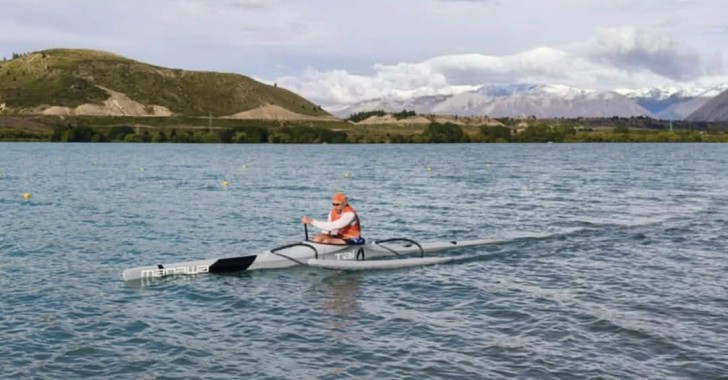
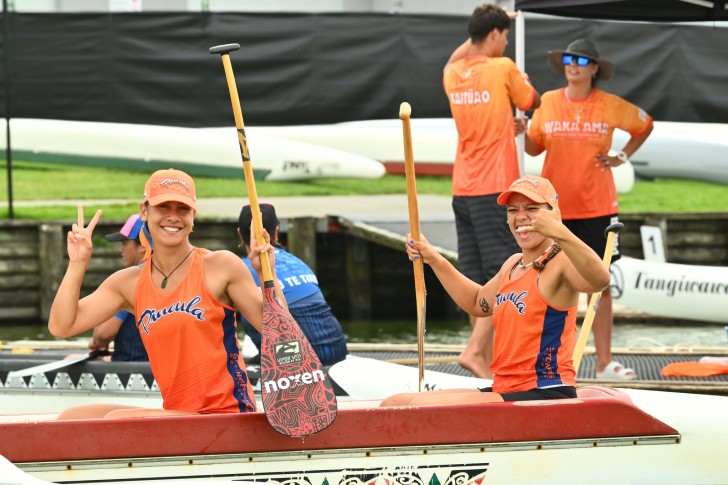
The Waka Ama Sprint Nationals was a huge success – attracting the largest ever cohort of paddlers to Lake Karāpiro this month. ACC was on site to provide a Whānau Zone for paddlers and supporters to relax, as well as offering a range of health services.





Supported by ACC, this year’s edition of the Waka Ama Sprint Nationals was the largest in the event’s history, with over 4,000 paddlers descending on the lake over the course of the week and bringing around 10,000 spectators with them.
The embankments around the lake – near Cambridge in the North Island – were a sea of colour, with hundreds of club tents and spectator gazebos lined-up side-by-side.
An endless stream of people walked the vibrant vendor lane in search of something delicious to eat, or to browse the stalls selling official event merchandise and traditional Māori craft.
The event brought together whānau from all over the motu, with a constant theme being hauora (health and wellbeing).
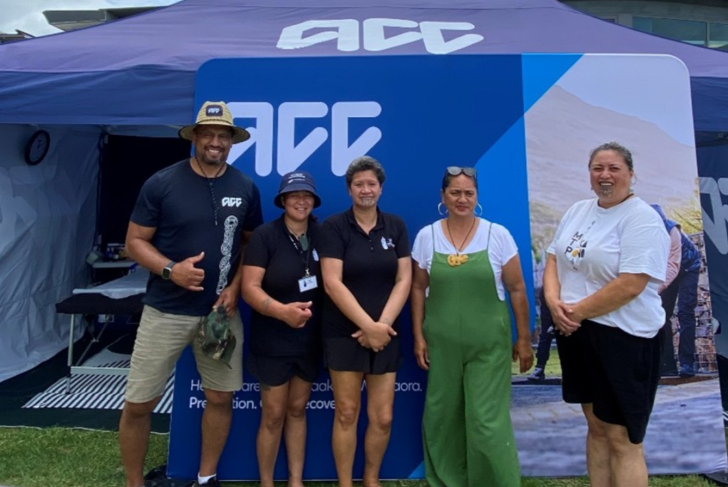
Paddlers and supporters could relax and watch the racing action from the ACC Whānau Zone, where kaimahi (staff) were on hand to share information about ACC support services.
The ACC team was busy answering questions and helping people see what rehabilitation can look like when they need it.
The Hauora Hub was a new addition this year and was hugely popular amongst both the athletes and spectators. The health-focused area featured agencies such as Diabetes New Zealand, Heart Foundation, Health New Zealand (Te Whatu Ora) and ACC, with all providing a space for health practitioners to engage with whānau.
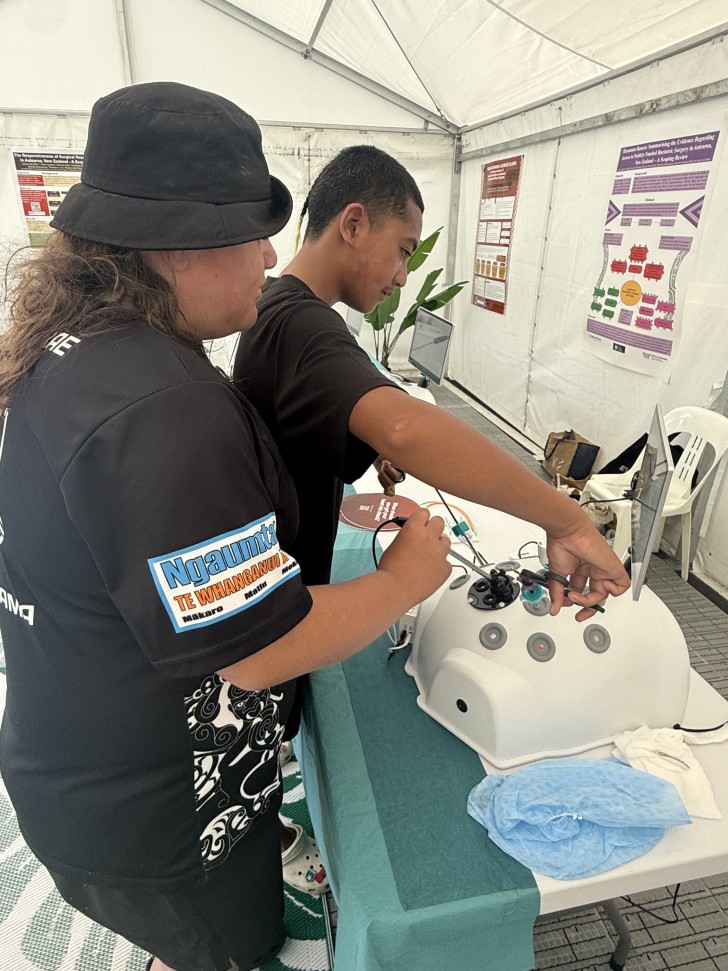
A pair of rangatahi (young people) engaging in one of the health-based exercises in the Hauora Hub.
Waka ama plays key role in injury recovery
A general surgery trainee and researcher, Dr Jamie-Lee Rahiri (Ngāti Porou, Ngāti Whātua o Kaipara me Te Ātihaunui-a-Pāpārangi) was working at the Hauora Hub through her institute Te Piringa Kōtuku.
She says staying connected to your community when recovering from injury is so important to getting back to paddling faster.
“In surgery, we meet people at the point where injury has already occurred, which is why recovery and connection beyond the hospital are so important,” she says.
“Surgery is often just one part of a much longer recovery journey. What happens after someone leaves hospital — the support, connection and sense of belonging they have — can make a real difference to how they recover.
“That’s where sports like waka ama play such an important role.”
Offering traditional Māori healing to paddlers
As part of our Whānau Zone, we were proud to offer rongoā Māori experiences.
Throughout the week, 15 practitioners supported 195 paddlers and whānau with rongoā Māori.
The rongoā Māori tent was open to all, with sessions booking out daily.
One of our practitioners, Jocelyn Te Kanawa, shared the value rongoā Māori has on the athletes at waka ama.
“The paddlers come with tight shoulders, backs or legs, so we help relieve some of those pains for them so they can paddle a lot better and a lot faster,” she says.
Rongoā Māori has been part of ACC’s rehabilitation options since 2020. You can access rongoā Māori alongside other services to support your recovery after injury.
Tackling the risk of falling
ACC also ran community strength and balance classes throughout the week at the Hauora Hub for participants and spectators to try.
Sport Bay of Plenty Project Coordinators Jaime William and Becky Hodgson were on site to help run some of the classes.
“Everyone is at risk of falling, no one is immune,” Jaime says.
“But there are so many small things you can do – just using your own body and what you have at home – that can make a big difference in falls prevention.
“We want to take away that barrier of thinking you need equipment to work on your strength and balance. You don’t – just your own bodyweight is enough.
“There’s so much to gain through taking a strength and balance class but that overarching confidence our participants get to live full lives independently, take more risks and feel safer in themselves is pretty special.”
Whānau had the opportunity to come and give a class a go and, if interested in following up, visit the Live Stronger for Longer website to find and continue classes upon their return home.
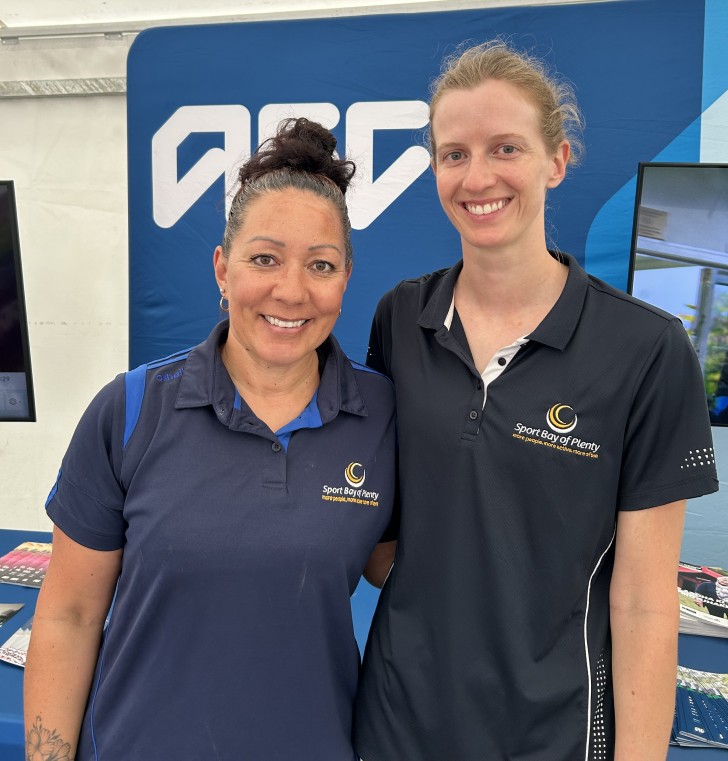
Jaime William, left, and Becky Hodgson from Sport Bay of Plenty.
Supporting the kaupapa of waka ama
Andy Milne, ACC’s Deputy Chief Executive of Strategy, Engagement and Prevention, says the Waka Ama Sprint Nationals is always a special event and this year was no exception.
“We’re proud to support the kaupapa of waka ama, strengthening community resilience and wellbeing through sport and family-focused initiatives,” he says.
Through attending events such as these, Andy says ACC is aiming to encourage safer participation in sport, promote injury prevention and ensure New Zealanders of all ages understand the role of rehabilitation when injured.
“An injury doesn’t have to put your life on hold,” he says.
“With an active recovery, you can get back to what’s important to you – whether that’s time with your whānau, joining your team on the water or even just being able to enjoy the summer.”
ACC data shows Māori are less likely to access ACC entitlements compared to non-Māori but are more likely to experience a serious injury.
“Community events like waka ama help us to raise awareness and build understanding around ACC services that improve rehabilitation outcomes for all New Zealanders,” Andy says.